
Pests and Diseases
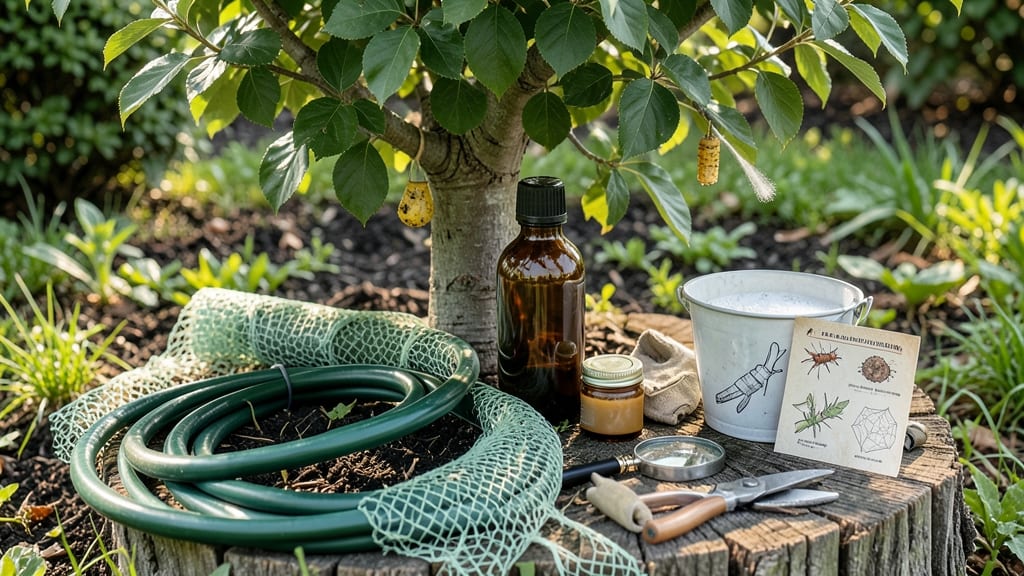
Cherry tree pest control starts with knowing the enemy—those tiny invaders that turn lush canopies into skeleton branches overnight. 🌿 I’ve watched my own trees go from vibrant to devastated in weeks, and the key to saving them isn’t harsh chemicals but smart, targeted sprays that work with nature—not against it.
The worst offenders—borers, aphids, and mites—don’t just ruin leaves; they starve your tree from the inside out. Aphids cluster like green snowflakes on new shoots, while borers tunnel silently through the bark, leaving sawdust-like frass as their calling card.
The good news? Non-toxic sprays like neem oil, insecticidal soap, and horticultural oil can stop them cold—if you catch the problem early.
By mid-summer, your tree will look like it’s never faced an infestation. Leaves stay glossy, fruit stays blemish-free, and the canopy thickens with healthy new growth. The secret is weekly inspections and spraying at the right times—before pests get a foothold, not after they’ve taken over.
Works for both sweet and tart cherries, in backyards or orchards. Let’s get your trees fighting back the natural way—no fumes, just results.
Root Causes Of Cherry Tree Pests
Cherry trees are a prized addition to any garden, but pests can turn their lush foliage into a battleground. Understanding why these pests target your tree is the first step toward effective, long-term control.
Below, we break down the key factors that make your cherry tree a pest magnet—and how to address them.
Pests thrive when cherry trees are stressed or weakened. A healthy tree has natural defenses—like thick bark, strong sap flow, and resilient leaves—but when these defenses falter, insects and diseases move in. Here’s what compromises your tree’s resilience:
- Nutrient Deficiencies: Lack of essential nutrients (especially nitrogen, phosphorus, or potassium) makes trees vulnerable. Example: Yellowing leaves signal nitrogen deficiency, weakening the tree’s ability to repel pests like aphids or borers.
- Water Stress: Overwatering or drought creates ideal conditions for pests. Example: Root rot from excess moisture attracts fungal pests, while drought-stressed trees become targets for bark beetles.
- Physical Damage: Cuts, cracks, or wounds (from pruning, storms, or wildlife) provide entry points for borers, beetles, and fungal spores.
Actionable Fix: Conduct a soil test to check nutrient levels and adjust fertilization. Water deeply but infrequently (1–1.5 inches per week) and prune during dormant seasons to minimize stress.
Many cherry tree pests have life cycles perfectly timed to exploit your tree’s growth stages. For example:
- Emerging Leaves: Aphids and mites swarm in spring when new leaves are tender and nutrient-rich.
- Fruit Development: Fruit flies and codling moths target ripening cherries, laying eggs in the flesh.
- Late Summer: Japanese beetles and borers attack as the tree’s defenses wane after fruiting.
Why It Matters: Pests don’t strike randomly—they follow your tree’s biological calendar. Actionable Fix: Monitor your tree’s growth stages and apply targeted sprays (like neem oil or insecticidal soap) during peak vulnerability periods.
Your cherry tree’s location and surroundings can either repel or attract pests. Here’s how the environment plays a role:
| Factor | How It Attracts Pests | Solution |
|---|---|---|
| Poor Airflow | Dense foliage or nearby structures trap humidity, fostering fungal diseases (e.g., brown rot) and soft-bodied pests like scale. | Prune for airflow and space trees 15–20 feet apart. |
| Overcrowded Gardens | Adjacent plants (especially susceptible varieties) create pest highways. Example: Plum trees near cherries increase risk of borer infestations. | Plant pest-resistant varieties and use barrier crops. |
| Wildlife Activity | Birds, squirrels, and deer spread pest eggs or larvae via droppings or physical damage. | Install netting or fencing around young trees. |
Pro Tip: 🌡️ Mulch properly—too much mulch (over 4 inches) can suffocate roots, while too little leaves soil exposed to pests. Aim for 2–3 inches of organic mulch.
By addressing these root causes—stress, timing, and environment—you’ll disrupt pests’ ability to colonize your cherry tree. The next step? Non-toxic solutions tailored to each trigger.
Quick Fixes for Cherry Tree Pests
Pests can turn your thriving cherry tree into a stressed, fruitless shadow of its former self—but don’t panic! With the right targeted solutions, you can restore balance and protect your tree long-term.
Below, we’ve mapped the most common cherry tree pests to effective, non-toxic fixes, plus prevention tips to keep them at bay for good.
Problem: These sap-sucking pests cluster on new leaves and shoots, causing curled foliage, sticky honeydew, and sooty mold.
How to Fix It:
- 💦 Blast Them Off: Use a strong stream of water (from a hose) to dislodge aphids from leaves and stems. Repeat every 3–4 days for 2 weeks.
- 🌿 Soap Spray Solution: Mix 1 tbsp mild liquid soap (like Castile soap) or 1 tsp neem oil with 1 quart of water. Spray directly on infested areas in the early morning or late evening (avoid direct sunlight to prevent leaf burn).
- 🐞 Introduce Predators: Ladybugs, lacewings, and parasitic wasps love aphids. Purchase or attract them with native flowering plants (like dill or yarrow).
💡 Prevention Tip: Plant garlic or chives nearby—aphids hate the scent! Also, prune regularly to improve airflow, making your tree less hospitable.
Problem: These shiny green-and-copper beetles devour leaves, leaving only veins behind. They also attack fruit, reducing harvests.
How to Fix It:
- 🕳️ Handpick & Drown: Fill a bucket with soapy water and shake beetles off leaves into it. Do this early in the morning when they’re sluggish.
- 🌿 Kaolin Clay Barrier: Mix 1 cup kaolin clay (like Surround WP) with 1 gallon of water and spray on leaves. The clay coats beetles, suffocating them and deterring new arrivals.
- 🍄 Beer Trap: Bury a small container filled with beer near the tree—beetles are attracted to it and drown. Refresh every 2–3 days.
💡 Prevention Tip: Mulch with straw around the base of the tree—beetles avoid crossing it. Also, remove grass within 3 feet of the trunk (they prefer short grass).
Problem: White, powdery spots on leaves? That’s powdery mildew, a fungal disease that weakens the tree and drops fruit prematurely.
How to Fix It:
- 🌿 Baking Soda Spray: Mix 1 tsp baking soda, 1 tbsp horticultural oil, and 1 quart of water. Spray every 7–10 days until symptoms disappear.
- 🍃 Neem Oil Fungicide: Combine 1 tbsp neem oil with 1 tsp soap and 1 quart of water. Apply in the evening to avoid leaf burn.
- 🌬️ Improve Airflow: Thin out dense branches and remove nearby overgrowth to reduce humidity around the tree.
💡 Prevention Tip: Water at the base (not overhead) and avoid late-season nitrogen fertilizers, which promote lush growth—fungi’s favorite buffet!
Problem: Sawdust-like frass near the trunk or exit holes? Wood-boring beetles (like the cherry fruitworm) are tunneling inside, weakening structural integrity.
How to Fix It:
- 🔪 Prune & Burn Infested Wood: Cut away damaged branches and burn or dispose of them (do not compost).
- 🌿 Beneficial Nematodes: Apply heterorhabditis bacteriophora nematodes (sold at garden centers) to the soil. They seek out and kill borer larvae.
- 🛡️ Tree Banding: Wrap the trunk with sticky tree banding tape (like Tanglefoot) in early spring to trap emerging beetles.
💡 Prevention Tip: Keep the tree healthy—stressed trees attract borers! Water deeply during droughts and fertilize with compost in early spring.
- 🌿 Inspect Weekly: Check for pests every 7–10 days, especially after rain or when new growth appears.
- 🍃 Encourage Beneficial Bugs: Plant marigolds, alyssum, or cilantro near your cherry tree to attract predatory insects.
- 🚫 Avoid Overwatering: Wet foliage invites fungal diseases—water early in the day so leaves dry quickly.
🎯 Pro Tip: Rotate treatments every 2–3 weeks to prevent pests from building resistance. With consistency, your cherry tree will bounce back—and stay pest-free for years!**
Frequently asked questions
How often should I inspect my cherry tree for pests?
Check your tree every 7-10 days, especially after rain or when new growth appears. Focus on the undersides of leaves, bark crevices, and fruit clusters where pests hide. Early detection is key—catching problems before they spread saves your tree from severe damage.
Can I use the same spray for all cherry tree pests?
No—different pests need different solutions. For example, neem oil works well for aphids and mites, but Japanese beetles respond better to kaolin clay or beer traps. Always match the treatment to the specific pest you're dealing with for best results.
What's the best time of day to apply pest sprays?
Apply sprays in the early morning or late evening when temperatures are cooler. This prevents leaf burn from direct sunlight and gives the solution time to work before the heat of the day. Avoid spraying when bees are active to protect pollinators.
Will my cherry tree recover if I've had pests for months?
Yes, but recovery takes time and consistent care. Start by removing heavily infested branches, then implement a 3-month treatment plan combining sprays, beneficial insects, and proper tree maintenance. Healthy trees are more resilient—focus on rebuilding the tree's strength through proper watering and fertilization.
Are there any natural predators I can introduce to my garden?
Plant marigolds, dill, or yarrow near your cherry tree to attract ladybugs, lacewings, and parasitic wasps—all natural aphid predators. You can also purchase beneficial nematodes to target borer larvae in the soil. These helpers reduce your need for chemical sprays over time.