
Pruning
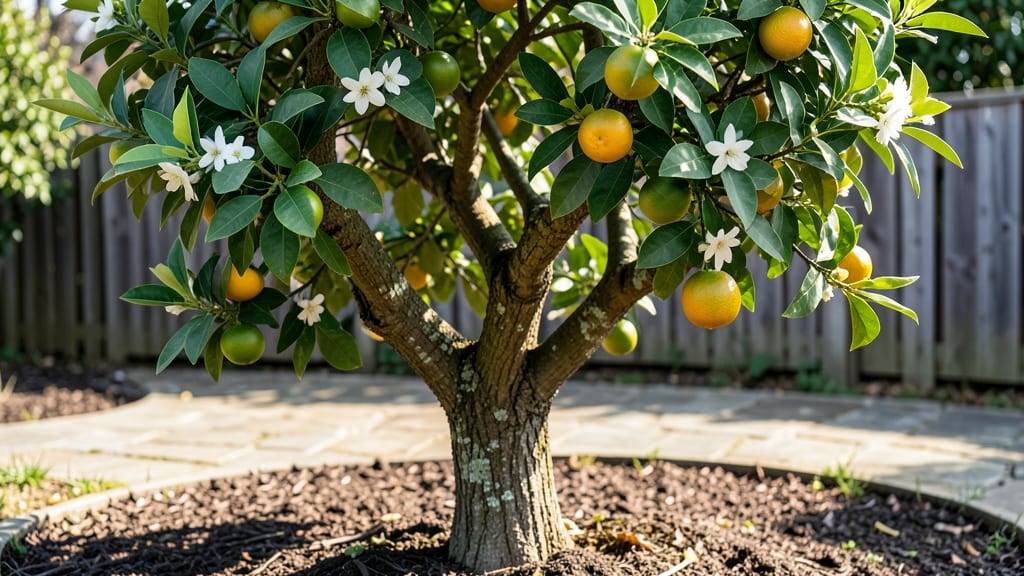
Understanding the orange tree growth stages is the key to growing a thriving 🍊 that bears fruit year after year—whether you’re in Zone 6 or a warmer climate.
Picture this: a tiny seedling in a pot, then a towering tree heavy with glossy oranges. But between those stages, there are critical moments where the right care—or the wrong move—can make all the difference.
Miss the flowering window, and your tree might skip fruiting entirely. Overwater in the fruiting stage, and you risk bitter, small fruit.
This guide breaks down every phase—from seed germination to harvest-ready oranges—with month-by-month care tips tailored to your zone. You’ll learn when to prune for better airflow, how to spot nutrient deficiencies early, and why some varieties take three years to fruit while others rush to 18 months.
By the end, you’ll know exactly when to fertilize, how to protect blossoms from frost, and the three signs your oranges are truly ripe (hint: it’s not just the color). Let’s grow that citrus giant the right way.


Orange tree growth stages by month: seedling to flowering phase
Growing an orange tree from a tiny seedling to a blooming beauty is a rewarding journey that requires patience and precision. Understanding the month-by-month growth stages helps you provide the right care at each critical phase.
In the first 18 months, your tree transitions from a fragile sprout to a sturdy sapling capable of producing its first flowers. Let’s break down what to expect each month and how to support healthy development.
Citrus trees like oranges thrive in warm climates (Zones 9-11), but dwarf varieties can succeed in containers in Zone 6 with winter protection. The key to success lies in consistent watering, full sun exposure, and proper fertilization during these early stages.
By month 12, you’ll start seeing signs of maturity—thicker stems, glossy leaves, and even the first hints of blossoms if conditions are ideal.
During the first 2 months, your orange tree seedling is most vulnerable. After planting, keep the soil moist but not soggy—citrus roots rot easily in waterlogged conditions. Place a humidity dome over seedlings if your climate is dry, and avoid cold drafts.
By month 2, you should see the first true leaves (not the initial seed leaves), signaling healthy development.
Months 3–6 mark the seedling phase, where rapid leaf growth occurs. This is when you’ll need to introduce fertilizer for the first time. Use a balanced 6-6-6 formula every 4–6 weeks to encourage strong root and foliage development.
If growing indoors, rotate the pot weekly to ensure even sunlight exposure—citrus trees grow toward light sources, leading to leggy, weak stems if not managed.
By months 7–12, your tree enters the sapling stage, where it develops a more robust structure. You’ll notice thicker stems and glossy leaves, and the tree may start branching. This is the ideal time to train the central leader (main trunk) and remove any competing branches.
Water deeply 2–3 times per week during hot months, and mulch around the base to retain moisture and regulate soil temperature.
Months 13–18 are critical for preparing your tree for flowering and fruiting. Switch to a citrus-specific fertilizer (8-3-9) to provide the nutrients needed for blooms. Prune lightly to improve airflow and sunlight penetration, which reduces the risk of fungal diseases like citrus blight.
If growing in Zone 6 or colder, move container-grown trees indoors before the first frost or use frost blankets for outdoor plants.
The transition to flowering phase (around 18 months) is exciting but requires careful monitoring. White or pink blossoms will appear, often followed by a sweet fragrance. Hand-pollinate flowers if your tree isn’t producing fruit naturally—use a small brush to transfer pollen between blossoms. Reduce watering slightly during this
How to identify and support fruit development stages in orange trees
Once your orange tree has reached its second year, you’ll start spotting tiny fruit set—those adorable green golf-ball-sized orbs that signal the beginning of your harvest journey.
Recognizing these stages early helps you provide the right care to ensure healthy growth and avoid common pitfalls like premature fruit drop. The transition from bloom to ripe fruit spans 9–12 months, so patience and attentive care are key.
During the fruit set stage (months 18–24), those small fruits may appear but often fall off if the tree isn’t getting enough nutrients, sunlight, or water. This is nature’s way of redirecting energy to stronger branches or blooms.
Don’t panic—it’s normal, but it’s also your cue to step up your citrus-specific fertilizer and ensure consistent moisture without overwatering.
⚠️ callout warning ⚠️
- Overwatering causes root rot, starving fruit of nutrients.
- Nutrient deficiency (yellow leaves, stunted growth) = poor fruit retention.
- Extreme heat (above 95°F) can scorch young fruit—provide afternoon shade.
- Pests like aphids suck sap, weakening fruit—spray neem oil preventatively.
The growth phase (months 24–30) is when those golf balls swell into baseball-sized oranges, developing their signature color. This is when you’ll notice orange blush appearing first—usually on sun-exposed sides. If your fruit stays green or patchy, it’s a sign of inconsistent sunlight or low temperatures.
Move container trees to sunnier spots or use reflective mulch to bounce light onto shaded branches.
By months 30–36, your oranges should be fully colored and slightly soft to the touch. A ripe orange will release easily from the tree when gently twisted—this is your harvest cue.
However, if fruit stays hard or bitter, it might need more potassium-rich fertilizer (like banana peel tea) or protection from late-season frost (cover with frost cloth in Zone 6).
Pro tip: Thin overcrowded fruit in late spring to leave 4–6 inches between oranges. This ensures larger, sweeter fruit by reducing competition for nutrients. Use sterilized pruners to avoid spreading disease, and always harvest with a clean twist to prevent stem damage.
Finally, post-harvest care is just as important. Prune dead or diseased branches immediately, and apply a balanced fertilizer (6-6-6) to replenish nutrients. In colder zones, mulch heavily around the base to protect roots during winter dormancy.
With this care, your tree will reward you with years of abundant harvests! 🍊