
Pruning
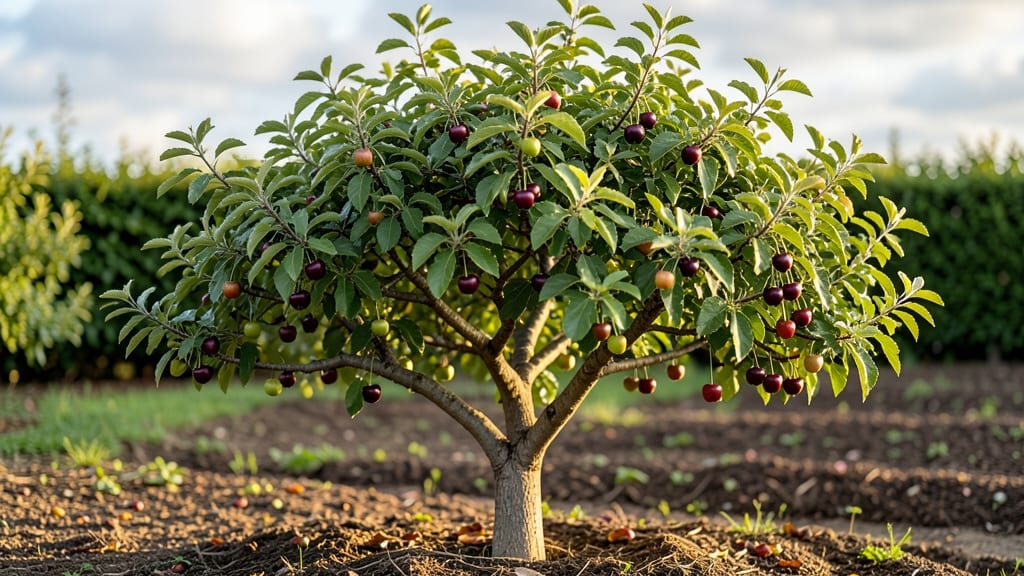
Summer pruning cherry trees turns last year's mistakes into this year's bounty—if you know the right cuts. ✂️ I've watched my own trees go from sparse blooms to heavy fruit loads just by adjusting my summer pruning routine, and the secret isn't complicated: it's about timing, light, and removing the right wood.
The key is working in late June or early July when the fruit has set but before new growth gets too aggressive. You're targeting water sprouts (those fast-growing vertical shoots), crossing branches, and any dead or diseased wood.
This isn't about heavy pruning—just strategic cuts to open up the canopy and let sunlight reach the center of the tree.
What you end up with is a tree that produces fruit all season long, not just in one big harvest. The branches stay strong, the fruit ripens evenly, and you avoid the common problem of too many cherries causing branches to break under weight.
Plus, the tree looks neater and more productive year after year.
Works for both sweet and tart varieties, whether you're dealing with a mature tree or a young one still finding its shape. Here's exactly how to do it without stressing the tree—or yourself.
📚 In This Guide
- What you need
- Instructions
- Tips and common mistakes
- Wrapping up and next steps
What you need
- ● Pruning shears: Bypass pruners (for clean cuts on branches up to ½ inch thick) – 1 pair (look for ergonomic, sharp, and rust-resistant models like Fiskars or Felco).
- ● Loppers: For branches ½ to 1½ inches thick – 1 pair (long-handled for reach, e.g., Corona or Gonicc).
- ● Pruning saw: For thicker branches (1½+ inches) – 1 (bow saw or curved blade for precision).
- ● Gloves: Heavy-duty, cut-resistant gloves (e.g., Mechanix or Tough Outdoors) – 1 pair (protects hands from thorns and rough bark).
- ● Ladder: Aluminum extension ladder (20–24 ft, with non-slip feet) – 1 (ensure it meets ANSI safety standards).
- ● Disinfectant: 70% isopropyl alcohol or bleach solution (1 part bleach to 9 parts water) – small bottle (sterilizes tools between cuts to prevent disease spread).
- ● Heavy-duty trash bags: For collecting pruned branches – 2–3 bags (knot tightly to avoid pests).
- ● Sharpie or marker: Permanent, weather-resistant – 1 (for labeling cuts if needed).
- ● Hand saw: For stubborn, thick branches (backup to loppers).
- ● Tree wound dressing: Pruning sealant (controversial but useful for large cuts >2 inches).
- ● Work vest or apron: With tool pockets to keep hands free.
- ● Safety glasses: Protects eyes from debris (especially when using a saw).
- ● Hose or spray bottle: For rinsing tools post-pruning.
- ● Pruning guide or app: (e.g., iTree or SmartGrow) for visual reference on cut angles.
Step-by-step guide to summer pruning for cherry trees
Keep your cherry tree thriving and productive with these targeted summer cuts that boost next year's harvest.
🌿 Step 1: Identify and Remove Suckers and Water Sprouts
Start by scanning your tree for any new shoots growing from the base or along the trunk—these are called suckers. They steal energy from fruit production. Use sharp pruning shears to cut them off at the base, making sure not to leave any stubs. Water sprouts, which are fast-growing vertical shoots, also need removal—they’ll compete with your fruit-bearing branches.
Look for shoots that are thinner than a pencil and growing straight up. These are easy to spot in summer when the tree is actively growing. I always make my cuts just outside the branch collar, the swollen area where the branch meets the trunk. This ensures proper healing and prevents disease from entering the tree.
✂️ Step 2: Thin Out Overcrowded Branches
Cherry trees produce fruit on spurs, which are short, stubby branches. When branches get too crowded, they compete for sunlight and nutrients, reducing fruit quality. Focus on removing branches that cross or rub against each other—they’ll create wounds that invite pests and disease.
Use your pruning shears to make clean cuts at a 45-degree angle, just outside the branch collar. Aim to leave about 6-8 inches of space between branches to allow airflow and sunlight penetration. You’ll see the tree’s structure open up, making it easier to spot and prune problem areas in future seasons.
☀️ Step 3: Prune for Better Light Penetration
Summer is the perfect time to improve light exposure in the tree’s canopy. Focus on removing any branches that are shading the interior. These shaded branches often produce smaller, lower-quality fruit. Start at the bottom of the tree and work your way up, cutting back any branches that are growing inward or downward.
Make your cuts just above a outward-facing bud or spur. This encourages new growth that will fill in the gaps and improve fruit production. You’ll notice a difference in the tree’s overall health within a few weeks—leaves will look greener, and the branches will feel more sturdy.
💧 Step 4: Clean Up and Apply Wound Dressing (Optional)
After pruning, remove all the cuttings from the base of the tree to prevent pests and diseases from taking hold. If you’re concerned about larger wounds, you can apply a wound dressing to seal them, but many gardeners skip this step—cherry trees heal quickly in summer’s warm conditions.
Water the tree deeply after pruning to help it recover. You’ll see new growth emerging within 2-3 weeks, signaling that the tree is responding well to the cuts. Keep an eye out for any signs of stress, like wilting leaves or unusual spots, and address them promptly to keep your tree healthy.
Tips & tricks for perfect summer cherry tree pruning
Summer pruning can transform your cherry tree into a fruit-producing powerhouse—here's how to avoid common mistakes and get the best results.
Timing is Everything: The key to summer pruning is doing it when the tree is actively growing but before new fruit sets for next year. Late summer (around mid-August) is ideal—this gives the tree time to heal before winter. I always prune on a dry, sunny day when the tree has plenty of energy to recover. Avoid pruning after a heavy rain, as wet conditions can invite fungal infections to those fresh cuts.
Tool Prep Makes All the Difference: Before you start, sharpen your pruning shears and clean them with rubbing alcohol to prevent spreading disease between cuts. I like to use bypass pruners for clean cuts—they leave a smoother surface than anvil pruners, which can crush the branch. For thicker branches, a pruning saw with a fine-toothed blade works best. Always make your cuts just outside the branch collar, that swollen area where the branch meets the trunk—this is where the tree naturally heals from.
Look for the Right Growth Patterns: In Step 1, when removing suckers and water sprouts, focus on shoots that are thinner than a pencil and growing straight up. These vertical shoots are easy to spot in summer because they grow faster than the rest of the tree. For Step 3, when improving light penetration, look for branches growing inward—they'll eventually shade out the fruit-producing spurs. Make your cuts just above an outward-facing bud to encourage new growth that will fill in those gaps and improve fruit production.
Post-Pruning Care is Critical: After you've finished pruning, don't just leave the cuttings on the ground. Remove all debris from the base of the tree to prevent pests and diseases from taking hold. Water the tree deeply right after pruning to help it recover, and keep an eye out for new growth emerging within 2-3 weeks. This is your sign that the tree is responding well to the cuts. If you notice any signs of stress like wilting leaves or unusual spots, address them promptly to keep your tree healthy.
Pro Tips for Cherry Tree Summer
- Summer pruning can transform your cherry tree into a fruit-producing powerhouse—here's how to avoid common mistakes a...
- Timing is Everything: The key to summer pruning is doing it when the tree is actively growing but before new fruit se...
- Tool Prep Makes All the Difference: Before you start, sharpen your pruning shears and clean them with rubbing alcohol...
Frequently asked questions
Got questions about pruning your cherry tree during summer?
You’re not alone! Here are the most common queries—plus straightforward answers to keep your tree thriving and fruitful.
When is the best time to prune a cherry tree in summer?
The ideal window is late spring to early summer (after flowering but before new growth hardens). For sweet cherries, prune right after harvest to avoid silver leaf fungus. Sour cherries can handle mid-summer cuts too—but avoid heavy pruning when birds are feasting!
Can I prune a cherry tree in summer if I missed the spring deadline?
Yes! Summer pruning is better than no pruning—just focus on removing dead wood, crossing branches, and thinning out crowded areas. Avoid heavy structural cuts, which stress the tree. Pro tip: Prune on a cool, overcast day to reduce sap loss and disease risk.
How do I tell if my cherry tree needs summer pruning?
Watch for these red flags:
- Overcrowded branches (leaving no airflow for fruit)
- Dead or diseased limbs (brown, brittle, or oozing sap)
- Water sprouts (fast-growing vertical shoots)
- Crossing branches (rubbing bark = future wounds)
What’s the worst mistake to avoid when summer-pruning cherries?
The biggest no-no? Over-pruning—never remove more than 25% of the canopy at once. Cherry trees are sensitive! Also, avoid flush cuts (leaving stubs)—always cut just outside the branch collar. Bonus: Sterilize tools with rubbing alcohol to prevent bacterial spread.
Are there summer-pruning alternatives if my tree is young or sick?
For young trees, focus on light shaping and removing suckers. If your tree is stressed or diseased, prioritize:
- Thinning only the most problematic branches
- Improving airflow with selective cuts
- Applying fungicide (like copper spray) post-prune
Wrapping up and next steps
There you have it—your cherry tree summer pruning guide to unlock a bountiful harvest year after year! Strategic cuts in summer aren’t just about shaping your tree; they’re about inviting health, productivity, and beauty into your garden.
With the right tools, timing, and technique, you’ll watch your cherry tree thrive like never before.
Ready to put your new skills to work? Grab those pruners, step outside, and give your tree the love it deserves. Happy pruning—and may your summer yield be sweet! 🌿🍒