
Pests and Diseases
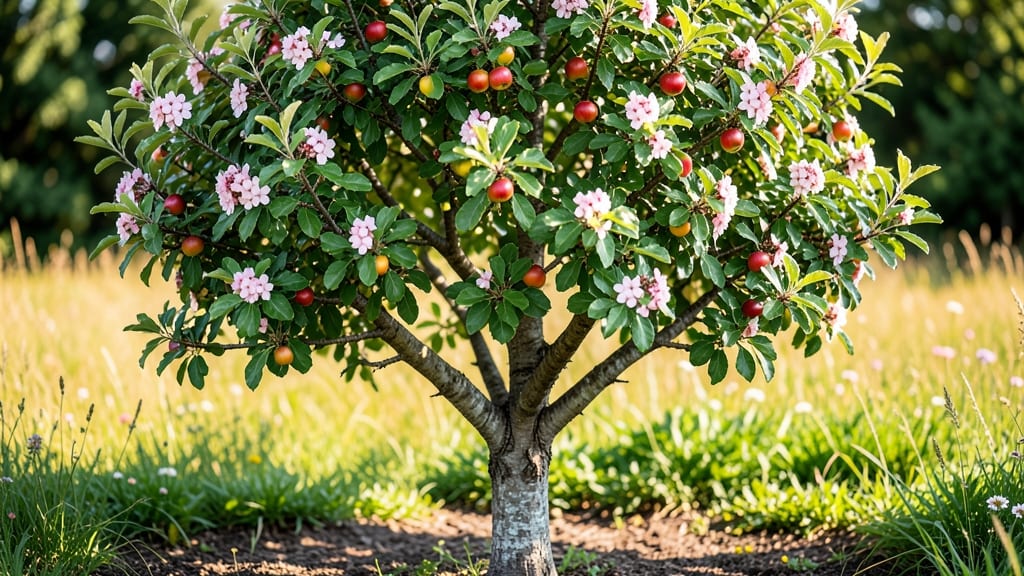
When considering crabapple tree pros and cons, you'll find they provide stunning seasonal interest with their fragrant spring blossoms and compact size, but their tiny, tart fruit is mostly inedible for humans and often attracts unwanted wildlife like birds and rodents. Their resilience to disease and adaptability to various climates also play key roles in their landscape appeal.
Crabapple trees shine as landscape stars with their vibrant spring blooms and compact growth, making them perfect for small yards. 🌸 Their fruit, while edible in jams or jellies, is too tart and small for fresh eating, which is why many gardeners grow them purely for their beauty.
The trade-off? Their tiny fruit can become a magnet for birds and squirrels, potentially creating a mess below the tree. Plus, their shallow root systems mean they're less drought-tolerant than some alternatives.
What makes them worthwhile is their low-maintenance nature and ability to thrive in urban environments where space is limited. Varieties like 'Adirondack' or 'Sargent' offer disease resistance, while others like 'Dolgo' produce larger fruit—though still not ideal for fresh eating.
The key is matching your expectations: if you want fruit, you'll need to accept the pest challenges, but if aesthetics are your priority, crabapples deliver year-round interest with minimal effort.
💡 In This Article
- Ornamental and Ecological Benefits of Crabapple Trees
- Challenges of Growing Crabapple Trees for Fruit Production
Ornamental and ecological benefits of crabapple trees
Crabapple trees dazzle in spring with 2-inch-wide blossoms that appear in clusters, creating a stunning visual impact. These flowers come in shades of pink, white, and red, with some varieties like 'Royalty' producing double blooms that last 2-3 weeks longer than typical apple blossoms.
The scent alone—often described as a mix of sweet and floral—attracts pollinators like bees and butterflies, boosting local biodiversity. 🌸
Beyond their spring show, crabapples deliver fall color that rivals maples, with foliage turning vibrant hues of orange, red, or purple depending on the variety. Their compact size (typically 15-25 feet tall) makes them ideal for urban landscapes where space is limited.
Unlike full-sized apple trees, they require minimal pruning to maintain shape, and their shallow root systems make them less invasive than larger trees.
Ecologically, crabapples serve as a wildlife magnet. The fruit provides food for birds and small mammals, while the dense canopy offers shelter. Varieties like 'Adirondack' are particularly disease-resistant, reducing the need for chemical treatments that could harm pollinators.
Their adaptability to USDA zones 4-8 means they thrive in diverse climates, from coastal regions to inland areas with colder winters.
The trade-off? Their fruit is rarely suitable for fresh eating due to its tiny size (½ inch diameter) and extreme tartness. While some culinary varieties like 'Dolgo' produce slightly larger fruit, they're still better suited for jams or jellies than fresh consumption.
This limitation is why most gardeners plant crabapples purely for their aesthetic and ecological value, not fruit production.
Consider the variety 'Sargent'—it boasts bright red fruit that persists into winter, providing year-round interest while supporting local wildlife. Its disease resistance and compact growth make it a top choice for eco-conscious landscapers.
The key is selecting a variety that aligns with your priorities: if pollinators and visual appeal are your goals, crabapples deliver exceptional value with minimal drawbacks.