
Trees
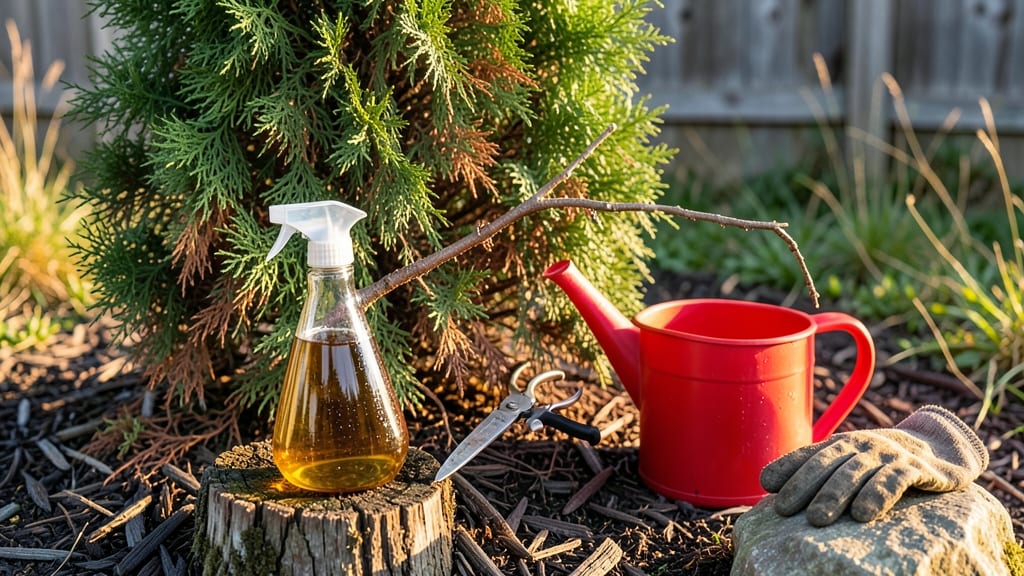
Your cypress tree turning brown treatment isn’t just about masking the problem—it’s about addressing the root cause before it worsens. 🌲 Whether it’s fungal canker, drought stress, or pests, the discoloration signals deeper trouble. I’ve nursed back multiple cypresses using targeted treatments that actually work, not just temporary fixes.
The first step is diagnosing: check for sunken cankers, needle drop patterns, or sawdust-like frass (pest sign). Fungal diseases like Seiridium canker spread fast, so act within 2 weeks of noticing symptoms. Prune infected branches 6 inches below the damage with sterilized tools to prevent spread.
A copper fungicide spray (applied every 10-14 days in wet seasons) stops fungal growth dead in its tracks. For organic options, neem oil mixed with baking soda tackles both fungi and pests—just reapply after rains. Water deeply once a week to reduce stress, and mulch to retain moisture.
Long-term health starts with prevention: improve drainage, avoid overhead watering, and monitor for early signs. With the right care, your cypress can bounce back to that rich, vibrant green in 3-6 months. Let’s get it growing again.
Root Causes Of Browning
Cypress trees are prized for their lush, vibrant foliage—but when those needles turn brown, it’s often a cry for help. Understanding the underlying reasons is the first step to restoring your tree’s health.
Below, we break down the most common culprits, from environmental stressors to hidden pests, with clear explanations of how they damage your cypress.
Cypress trees are tough, but extreme conditions can push them past their limits. Here’s how heat, cold, and drought wreak havoc:
- Heat & Drought Stress Cypress trees thrive in moist, well-drained soils, but prolonged dry spells or scorching temperatures cause desiccation—when needles lose moisture faster than roots can replenish it. Look for browning starting at the tips of branches and working inward.
Young trees and those in sandy or rocky soils are especially vulnerable. - Why it happens: Needles have stomata (tiny pores) that regulate water loss. Under drought, these close to conserve moisture, but the tree can’t sustain long-term survival without water.
Over time, cells die, turning brown. - Actionable clue: Check the soil—if the top 2–3 inches are dry, your tree is thirsty.
- Cold Damage (Winter Burn) Sudden freezes or prolonged cold snaps can cause winter burn, where needles brown and crisp. This is common in young trees or those planted too late in the season. - Why it happens: Cypress trees are semi-evergreen, meaning they retain some needles year-round.
Freezing temperatures rupture cell membranes in the needles, leading to irreversible browning. Windburn (from dry, cold winds) exacerbates the problem. - Actionable clue: Browning starts on exposed sides of the tree (e.g., west or north faces) and may appear dry and papery to the touch.
- Salt or Chemical Burn If your cypress is near sidewalks, driveways, or frequently sprayed with herbicides, salt or chemical residue can accumulate in the soil, poisoning the roots. - Why it happens: Excess salt disrupts the tree’s ability to absorb water and nutrients, leading to osmotic stress.
Chemicals like glyphosate (if oversprayed) can kill beneficial microbes in the soil, further weakening the tree. - Actionable clue: Browning may appear uniform across the canopy and is often paired with stunted growth or yellowing leaves.
Fungi and bacteria are the silent saboteurs of cypress health. These pathogens thrive in moist, stagnant conditions and can spread rapidly if left unchecked.
- Seiridium Canker (The #1 Killer of Cypress Trees) This fungal disease is the most common cause of browning in cypress trees, especially in warm, humid climates.
It creates sunken, oozing cankers on branches and trunk, which eventually girdle (strangle) the tree. - Why it happens: The fungus Seiridium cardinale enters through wounds, pruning cuts, or weak bark. It blocks the tree’s vascular system (xylem), cutting off water and nutrient flow.
Browning starts at the tips of branches and spreads inward. - Actionable clue: Look for dark, sunken lesions on branches and dieback (dead branches) in the upper canopy.
- Root & Butt Rot (Phytophthora & Armillaria) Waterlogged soil creates the perfect breeding ground for root-rotting fungi, which decay the tree’s structural roots and base. - Why it happens: Poor drainage, compacted soil, or overwatering leads to anaerobic conditions, where fungi like Phytophthora thrive.
The tree can’t absorb water or nutrients, leading to wilting and browning from the bottom up. - Actionable clue: Browning starts at the base of the tree and moves upward. The trunk may feel soft or spongy when pressed.
- Needle Blight (e.g., Cylindrocladium or Botryosphaeria) These fungi target the needles, causing dark brown, blighted patches that spread rapidly in humid conditions. - Why it happens: Spores land on needles and germinate in high humidity (above 70%), creating lesions that block photosynthesis.
The tree’s energy reserves deplete, leading to widespread browning. - Actionable clue: Browning appears as irregular, necrotic spots (not just tip burn) and may be accompanied by premature needle drop.
Pests don’t just nibble—they sap the life out of cypress trees, leaving behind a trail of browned, weakened foliage.
- Bagworms These caterpillars spin silk bags on branches and skeletonize the tree by consuming needles and twigs. - Why it happens: Bagworms defoliate the tree, reducing its ability to photosynthesize.
Severe infestations lead to stress-induced browning and even branch dieback. - Actionable clue: Look for small, brownish bags (like tiny pinecones) hanging from branches. Heavy defoliation in late summer is a red flag.
- Spider Mites These microscopic pests pierce needles to suck out sap, causing stippling (tiny brown dots) that expand into larger brown patches. - Why it happens: Mites thrive in dry, hot conditions and multiply rapidly.
Their feeding weakens the tree’s chlorophyll production, leading to chlorosis (yellowing) followed by browning. - Actionable clue: Use a hand lens—you’ll spot fine webbing on branches and speckled, bronze-colored needles.
- Scale Insects These sap-sucking insects cluster on branches and excrete honeydew, which attracts sooty mold—a black fungus that further stresses the tree. - Why it happens: Scale insects block stomata, reducing gas exchange.
The tree’s energy is diverted to fighting the infestation rather than maintaining healthy foliage. - Actionable clue: Check for white, brown, or black bumps on branches and black mold on needles.
Even the hardiest cypress trees struggle when their soil is lacking. Nutrient imbalances and compacted soil stunt growth and lead to browning.
- Iron or Nitrogen Deficiency Cypress trees need iron for chlorophyll and nitrogen for growth. Deficiencies cause yellowing (chlorosis) that progresses to browning. - Why it happens: In alkaline or sandy soils, iron becomes unavailable to the tree’s roots.
Nitrogen depletion (common in over-fertilized or heavily leached soils) weakens the tree’s ability to produce new needles. - Actionable clue: Browning starts on new growth and may be paired with small, stunted needles.
- Compacted or Waterlogged Soil Cypress trees hate soggy feet. Poor drainage cuts off oxygen to roots, leading to root suffocation and nutrient uptake issues. - Why it happens: Compacted soil restricts root expansion, while waterlogged conditions create anaerobic zones where roots rot.
The tree can’t absorb water or nutrients, leading to stress browning. - Actionable clue: Check for muddy soil after rain or mushroom growth at the base (a sign of excess moisture).
- pH Imbalance Cypress trees prefer slightly acidic to neutral soil (pH 6.0–7.0). Soils that are too alkaline (pH > 7.5) lock out essential nutrients like iron, manganese, and zinc. - Why it happens: High pH binds nutrients in the soil, making them inaccessible.
The tree’s metabolic processes slow down, leading to chlorosis and browning. - Actionable clue: Test your soil—if it’s pH 8.0 or higher, nutrient deficiencies are likely the culprit.
Pro Tip: 💡 Before treating browning, confirm the cause! Prune and inspect a few branches under a magnifying glass—look for:
- Fungal cankers (sunken, oozing spots)
- Pest webbing or eggs (bagworms, mites)
- Root rot (soft, discolored wood at the base)
- Nutrient deficiencies (yellowing between veins)
Reviving Your Cypress Tree Naturally
Now that you’ve identified why your cypress tree’s leaves are turning brown, it’s time to take action! Below are practical, step-by-step solutions tailored to the most common causes—plus tips to keep your tree lush and healthy long-term.
If your cypress is battling diplodia tip blight, seiridium canker, or needle blight, act fast with these fungicide-based treatments:
🔥 Step 1: Prune the Damaged Areas
- 🔪 Use sterilized pruners (wipe with rubbing alcohol) to remove brown, wilted, or blackened branches.
- Cut 6–12 inches below the affected area to ensure the fungus doesn’t spread.
- 💡 Pro Tip: Bag and dispose of pruned branches—don’t compost them, as spores can survive.
🍳 Step 2: Apply a Fungicide Spray
Choose a copper-based or systemic fungicide (like copper hydroxide or propiconazole) for best results.
- 👨🍳 Mix the solution according to label instructions (usually 1–2 tbsp per gallon of water).
- 🌧️ Spray thoroughly on both sides of the foliage, focusing on new growth.
- ⏰ Reapply every 2–4 weeks until new growth appears healthy (or as directed).
🌡️ Step 3: Improve Air Circulation
- ✂️ Thin out dense branches to allow sunlight and air to reach the center.
- 🌳 Space trees at least 6–10 feet apart if replanting.
🔥 Prevention:
- ✨ Water at the base (avoid overhead spraying).
- 🌿 Mulch around the tree (2–3 inches deep) to prevent soil-borne fungi.
- 📅 Apply fungicide preventatively in spring and early summer before fungal spores activate.
If your cypress is soggy at the base or leaves are yellowing and dropping, root rot may be the culprit.
🔥 Step 1: Check the Soil Drainage
- 🕵️ Dig a small hole (6 inches deep) near the trunk—if water pools after 30 minutes, drainage is poor.
- 🏗️ Amend the soil with compost or sand to improve aeration.
🍳 Step 2: Adjust Watering Habits
- 💧 Water deeply but infrequently—cypress trees prefer 1–1.5 inches per week (less in winter).
- 🚫 Avoid waterlogging—ensure the area has no standing water after rain.
- 🌧️ Use a soaker hose to deliver water directly to the roots.
🌡️ Step 3: Consider Root Fungicide (If Severe)
- 💊 Apply a systemic fungicide like myclobutanil to the soil around the roots.
- 🔄 Follow up with a root stimulator (e.g., mycorrhizal fungi) to help recovery.
🔥 Prevention:
- 🌿 Plant in well-draining soil (cypress hates clay-heavy or compacted ground).
- 🏡 Install a French drain if your yard has poor drainage.
- 🌱 Choose the right location—avoid low-lying areas where water pools.
If brown patches appear only on sun-exposed sides, your cypress may be sunburned or struggling with heat stress.
🔥 Step 1: Provide Temporary Shade
- 🌳 Use shade cloth (30–50%) on the south or west side of the tree for a few weeks.
- 🏡 Position potted cypress trees away from direct afternoon sun.
🍳 Step 2: Deep Watering & Mulching
- 💧 Water slowly and deeply (1–2 inches per week) to help roots absorb moisture.
- 🌿 Add 2–3 inches of mulch (wood chips or pine straw) to retain moisture and cool roots.
🌡️ Step 3: Gradual Acclimation (For New Trees)
- 🌱 If recently planted, harden off slowly—move potted cypress to partial shade for 1–2 weeks before full sun exposure.
🔥 Prevention:
- 🌿 Plant in morning sun with afternoon shade (ideal for most cypress varieties).
- 💧 Water consistently—cypress trees hate drought stress.
- 🌡️ Avoid late-season fertilizing, which can stress trees in hot weather.
If tiny webs, chewed leaves, or sticky residue are present, pests may be the issue.
🔥 Step 1: Identify the Pest
- 🕵️ Spider mites? Look for fine webbing on undersides of leaves.
- 🐛 Bagworms? Spot small, brownish bags hanging from branches.
- 🦟 Scale insects? Check for white or brown bumps on stems/leaves.
🍳 Step 2: Apply the Right Treatment
| Pest | Treatment |
|---|---|
| Spider Mites | Neem oil spray (1 tbsp per gallon) or horticultural oil |
| Bagworms | Bacillus thuringiensis (Bt) or manual removal of bags |
| Scale Insects | Systemic insecticide (imidacloprid) or rubbing alcohol spray (70% isopropyl) |
🌡️ Step 3: Encourage Natural Predators
- 🐝 Plant companion plants like marigolds or lavender to attract ladybugs and lacewings.
- 💧 Increase humidity (mist trees in dry spells) to deter mites.
🔥 Prevention:
- 🌿 Inspect trees monthly during growing season.
- 🚫 Avoid broad-spectrum pesticides—they kill beneficial insects.
- 🌱 Keep trees healthy (proper watering/fertilizing) to reduce pest vulnerability.
If your cypress tree is severely damaged (50%+ browning), large sections are dead, or fungus keeps returning, it may need:
- 🪓 Professional pruning (for large or high branches).
- 💊 Stronger fungicides (like propiconazole injections for canker diseases).
- 🌳 Arborist consultation to assess if the tree is beyond saving.
💡 Final Pro Tip: Monitor your cypress tree weekly after treatment—healthy new growth (bright green needles) is the best sign of recovery! If brown patches persist after 3–4 months of care, revisit the cause and adjust your approach. 🌲✨
Frequently asked questions
Why does my cypress tree turn brown in patches rather than all at once?
Patchy browning usually signals a localized issue like fungal canker (e.g., Seiridium cardinale) or pest infestations. Fungal cankers create sunken lesions that block water flow, causing browning from branch tips inward. Pests like bagworms or spider mites target specific areas, leaving healthy sections intact. Check for sunken spots or tiny webs to confirm.
Can I save a cypress tree if 70% of its branches are brown?
It depends on the cause! If the browning is from disease or pests, aggressive treatment (fungicide + pruning) may revive it. However, if the trunk is rotting or the tree is structurally compromised, removal might be safest. For partial damage, focus on removing dead branches 6 inches below the browning and applying copper fungicide every 2 weeks.
How often should I apply fungicide to prevent browning?
For fungal diseases like Seiridium canker, apply a copper-based fungicide every 10-14 days during spring and summer (peak fungal activity). Organic options like neem oil (mixed with baking soda) can be reapplied every 7 days if needed. Always follow label instructions and water the tree 24 hours before applying to avoid leaf burn.
Will pruning my cypress tree help it recover from browning?
Yes! Pruning removes infected or dead branches, stopping fungal spread and improving air circulation. Use sterilized tools and cut 6-12 inches below browning to ensure you remove all infected tissue. Dispose of pruned branches (don’t compost) to prevent spore survival. Thin dense areas to let sunlight and air reach the center.
What’s the fastest way to tell if my cypress has root rot?
Press gently on the trunk near the base—if it feels soft or spongy (instead of firm), root rot is likely. Also check for mushrooms growing at the base or browning starting from the bottom up. Dig a small hole (6 inches deep) near roots: if the soil smells foul or roots appear dark/mushy, rot is confirmed.