
Pruning
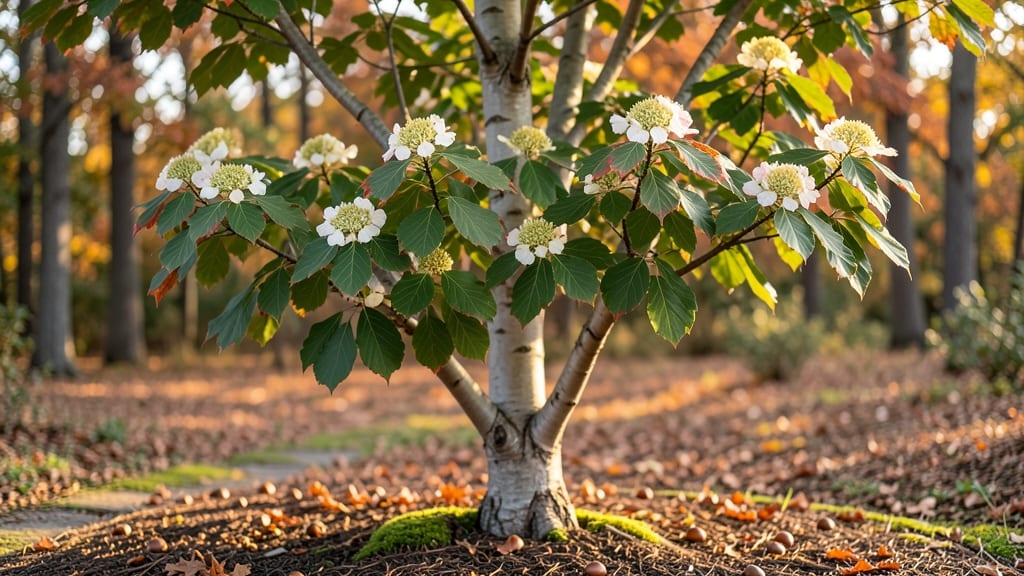
Your dogwood's vibrant green leaves are the first sign of a healthy tree—and pruning is how you keep them that way year-round. 🌿 I've spent years watching dogwoods transform from leggy shadows to lush, flowering centerpieces, and the secret isn't complicated: strategic cuts that encourage growth while removing what weakens it.
The key moments are spring, summer, and late winter—each with its own rules to prevent stress and promote that signature deep green.
Start with the basics: sharp pruners, a clear day (never prune when the tree is wet), and a plan. You'll focus on three things—removing dead wood, thinning crowded branches, and shaping for sunlight access—while avoiding the common mistake of over-pruning.
Dogwoods are sensitive, so think of it as sculpting rather than hacking. That first cut might feel hesitant, but trust the process: every snip you make now keeps the tree thriving for decades.
What you're aiming for is a canopy that lets light reach all the way to the ground, where new growth emerges. The result? Rich, glossy leaves that stay green even through summer's heat, and flowers that arrive reliably each spring.
Yellowing leaves? Often a sign of iron chlorosis—we'll cover that in the seasonal care section. But for now, focus on the shape: open enough for air to circulate, balanced enough to support those heavy spring blooms.
This works for both young dogwoods you're shaping from scratch and mature trees needing rejuvenation. The same principles apply whether you're working with Cornus florida or other ornamental dogwood varieties.
Now let's get to the tools and timing that make all the difference in keeping your tree's foliage vibrant and healthy.
📚 In This Guide
- What you need
- Instructions
- Tips and common mistakes
- Wrapping up and next steps
What you need
- ● Pruning shears: Bypass pruners (for small branches, 5–8 inches long) – 1 pair (sharp, stainless steel blades for clean cuts).
- ● Loppers: Bypass or anvil type (for branches ½–2 inches thick) – 1 pair (with extended handles for reach).
- ● Pruning saw: Curved-tooth saw (for branches 2+ inches thick) – 1 saw (avoid rust; carbon steel preferred).
- ● Gloves: Heavy-duty gardening gloves (cut-resistant, long cuffs) – 1 pair (protects from thorns and sap).
- ● Disinfectant: 70% isopropyl alcohol or pruning sealant – small bottle (prevents disease spread).
- ● Ladder or step stool: Sturdy, extendable – 1 unit (ensure weight limit exceeds 250 lbs).
- ● Tarp or drop cloth: Heavy-duty plastic – 1–2 sheets (protects ground from debris).
- ● Hand pruners: Compact bypass pruners (for precision trimming) – 1 pair (great for small branches in tight spots).
- ● Pole saw: Extendable pruning saw – 1 unit (for high branches without a ladder).
- ● Tree wound dressing: Pruning paste – small tube (controversial but useful for large cuts).
- ● Work boots: Steel-toe or waterproof – 1 pair (for safety and comfort).
- ● Notebook & pen: – 1 each (to track pruning notes by season!).
Step-by-step guide to pruning dogwood trees for year-round health
Here's how to keep your dogwood blooming beautifully while maintaining its natural shape.
✂️ Step 1: Prune in Late Winter Before New Growth Begins
Start your dogwood pruning in late winter (February or early March) when the tree is still dormant but before buds begin to swell. This timing prevents stressing the tree and allows it to focus energy on spring growth. Look for dead, diseased, or crossing branches first—they're your priority. I always grab my pruners and start at the top, working my way down.
Cut back dead branches all the way to the trunk or the nearest healthy lateral branch. For diseased wood, sterilize your pruners with rubbing alcohol between cuts to prevent spreading any pathogens. You'll notice healthy branches have smooth bark and vibrant green buds, while dead branches feel hollow when tapped or have cracked, darkened wood.
☀️ Step 2: Thin Out Crowded Branches for Better Airflow
Next, focus on thinning the canopy to improve sunlight penetration and airflow. Remove branches that rub against each other or grow inward toward the center of the tree. These branches compete for resources and can create weak points where disease enters. I like to step back every few cuts to visualize the tree's shape—this helps me see what needs adjustment.
Never remove more than 25% of the tree's foliage in one year. Dogwoods are sensitive to heavy pruning, and over-pruning can stress the tree or reduce next year's flowers. Aim to create an open, vase-like shape that allows sunlight to reach all branches evenly. You'll see the difference in just a few weeks as new growth emerges stronger and more vibrant.
✂️ Step 3: Shape the Tree Gradually in Spring and Summer
After the initial winter pruning, light shaping can continue in late spring or early summer (May or June) to maintain the tree's form. This is when you can trim back any branches that grew too long or out of place during the season. Use hand pruners for smaller branches and loppers for thicker stems—never use hedge trimmers, as they tear the bark and damage the tree.
Focus on removing only the tips of branches to encourage bushier growth. Avoid heavy pruning during this time, as it can stimulate weak, leggy growth. If you notice any suckers (shoots growing from the base or roots), remove them immediately. These compete with the main tree for nutrients and weaken its structure. A healthy dogwood should have a balanced, symmetrical shape with no bare spots or overcrowded branches.
🪴 Step 4: Clean Up and Monitor Year-Round
After each pruning session, clean up all debris from the ground and sterilize your tools again. This prevents pests and diseases from taking hold. I always rake up fallen leaves and small branches, then dispose of them in the trash—not the compost pile—to avoid spreading any potential issues.
Throughout the year, keep an eye out for any new dead or diseased branches and prune them as soon as you spot them. Dogwoods are prone to fungal diseases like anthracnose, so removing affected branches early can save the tree. Water deeply but infrequently to encourage strong root growth, and avoid overwatering, which can lead to root rot. A healthy dogwood should have glossy, dark green leaves and abundant blooms each spring.
Tips & tricks for perfect dogwood tree pruning
Here's what nobody tells you about keeping your dogwood thriving after the initial cuts.
Timing is Everything: The late winter window (February or early March) is non-negotiable for dogwoods. I've seen too many gardeners rush this and stress their trees when buds start swelling. If you miss this timing, wait until late spring—but avoid summer pruning entirely, as it can stimulate weak growth. The dormant season is when dogwoods recover fastest, so don't skip it!
Visual Cues for Healthy Branches: When deciding which branches to cut, look for these telltale signs: healthy branches have smooth, grayish bark with vibrant green buds that feel firm when pressed. Dead branches often have cracked, darkened wood that feels hollow when tapped. I always test a few branches before making cuts—this simple check saves hours of second-guessing later.
Sterilization Matters: After cutting diseased wood, I can't stress enough how important it is to sterilize your pruners between each cut. A quick wipe with rubbing alcohol prevents spreading fungal spores like anthracnose, which dogwoods are particularly susceptible to. I keep a small bottle of alcohol in my pruning toolkit and sterilize after every 3-4 cuts, especially when working with visibly infected branches.
Shape from the Ground Up: When shaping in spring/summer, work from the bottom up to maintain that natural vase shape. I like to stand back every 5-6 cuts to visualize the tree's silhouette. The goal is to create an open center that lets sunlight reach all branches—this prevents those dark, bare spots that make trees look unhealthy. Think of it like sculpting: every cut should improve the overall balance.
Pro Tips for Dogwood Tree Green
- Here's what nobody tells you about keeping your dogwood thriving after the initial cuts.
- Timing is Everything: The late winter window (February or early March) is non-negotiable for dogwoods.
- Visual Cues for Healthy Branches: When deciding which branches to cut, look for these telltale signs: healthy branches have smooth, grayish bark with vibrant green buds that feel firm when pressed.
Frequently asked questions
Got questions about keeping your dogwood tree green and thriving with proper pruning? Here are some of the most common concerns—and their answers—to help you maintain a lush, healthy tree year-round.
When is the best time to prune a dogwood tree for optimal green growth?
The ideal time to prune dogwood trees is late winter to early spring (just before buds break) or summer after flowering. Avoid heavy pruning in fall or winter, as it can stress the tree and invite disease. Light shaping in summer helps encourage dense, vibrant foliage while minimizing stress.
Can I prune a dogwood tree too much? What signs should I watch for?
Yes! Over-pruning weakens dogwoods, leading to sparse foliage, stunted growth, or even dieback. Watch for yellowing leaves, excessive leaf drop, or weak new shoots. A general rule: Never remove more than 25% of the tree’s canopy in one season. For mature trees, spread pruning over 2-3 years if needed.
How do I encourage more green leaves instead of brown or dead branches?
Brown or dead branches often signal disease, pests, or poor pruning. Start by removing all dead/diseased wood (sterilize tools with rubbing alcohol between cuts). Improve airflow by thinning dense areas, and fertilize lightly in early spring with a balanced, slow-release fertilizer. If fungal issues persist, treat with a copper-based fungicide.
Are there alternatives to pruning if my dogwood tree has lost most of its green foliage?
If your dogwood’s green leaves are severely lacking, rejuvenation pruning (a drastic but effective method) may help. In late winter, cut back 1/3 of the oldest stems to the ground, leaving younger, healthier branches. Pair this with proper watering, mulching, and pest control to stimulate regrowth. For severe cases, consult an arborist.
Will pruning my dogwood tree affect its flowers next year?
Pruning after flowering (summer) won’t harm next year’s blooms, but heavy pruning in late winter/early spring may reduce flowers temporarily. To preserve blooms, avoid cutting back more than 10-15% of the tree in late winter. Focus on removing dead wood or crossing branches instead of major structural cuts.
Wrapping up and next steps
Your dogwood tree’s vibrant green beauty is well within reach—with the right pruning habits! By mastering year-round shape control, you’ll foster healthier growth, prevent disease, and keep that stunning foliage thriving. Whether you’re trimming in spring, summer, or even winter, consistency is key.
Ready to give your tree the TLC it deserves? Grab your tools, follow the steps you’ve learned, and start pruning with confidence! 🌿 For extra inspiration, explore seasonal dogwood care guides or join local gardening forums to share your progress. Happy pruning!