
Flowers
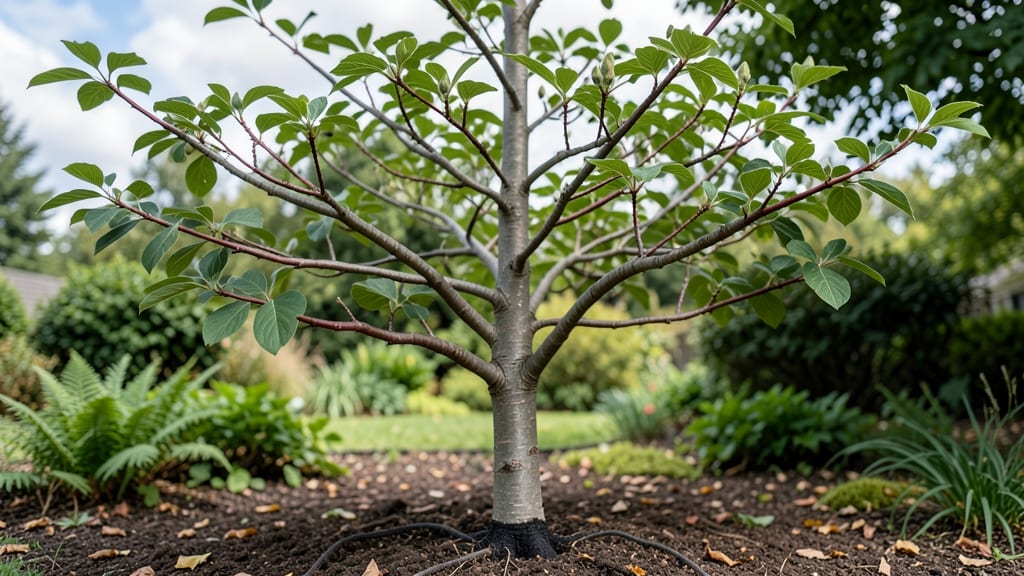
Your dogwood tree without flowers isn’t broken—it’s just waiting for the right care. 🌸 After years of watching neighbors’ trees burst with spring color, I finally cracked the code: most flowering failures come down to three overlooked factors, and pruning is the easiest fix.
The culprit is often last year’s growth stealing energy from this year’s blooms. Dogwoods need sunlight, nutrients, and proper pruning to focus on flowers instead of leaves.
My tree went from bare branches to a canopy of pink by adjusting just three things: when to prune, how much to remove, and what to feed the roots. You’ll spot the difference within weeks: fresh green leaves, then buds forming by late winter.
The key is timing—prune right after flowering, not in fall or spring—and feeding with the right nutrients to encourage blooms over foliage. This works for mature trees, young transplants, and even container-grown dogwoods. Let’s get those flowers back!
Root Causes Behind Missing Blooms
When your dogwood tree skips its usual floral display, it’s often a sign of underlying stress or imbalance. Understanding the why behind the problem is the first step to restoring those iconic blooms.
Below are the most common reasons—each with a clear scientific explanation and actionable insights to help you diagnose the issue.
Dogwood trees (Cornus florida) thrive in partial shade to full sun, but too little light disrupts their flowering cycle. These trees rely on a balance of sunlight and shade to trigger blooming hormones.
If planted in deep shade (e.g., under dense canopies or tall buildings), they may produce fewer—or no—flowers.
Why it happens:
- Photosynthesis slowdown: In low-light conditions, the tree prioritizes leaf growth over energy-intensive flower production.
- Hormonal shift: Reduced sunlight lowers florigens (flowering hormones), delaying or preventing bloom formation.
- Weakened roots: Shady spots often mean cooler soil, slowing root activity and nutrient uptake—critical for flowering.
Actionable fix:
- 🔍 Assess sunlight: Observe your tree’s location for at least 6 hours daily. Dogwoods need 4–6 hours of direct sun (morning sun is ideal).
- 🌿 Thin nearby foliage: Prune overhanging branches or remove competing plants (e.g., tall shrubs, evergreens) to improve light exposure.
- 📏 Consider relocation: If the spot is permanently shady, transplant the tree to a sunnier area during dormant season (late fall/winter).
Dogwoods are sensitive to moisture extremes. Drought or waterlogged soil can stunt growth and halt flowering by disrupting nutrient absorption and root health.
Why it happens:
| Issue | Scientific Impact |
|---|---|
| Underwatering |
|
| Overwatering |
|
Actionable fix:
- 💦 Check soil moisture: Stick your finger 2–3 inches into the soil. If dry, water deeply 1–2 times per week (more in extreme heat).
- 🚰 Improve drainage: Amend clay soil with compost or sand to prevent water pooling. For containers, ensure pots have drainage holes.
- 🌧️ Mulch properly: Apply 2–3 inches of mulch (wood chips or bark) around the base (but not touching the trunk) to retain moisture and regulate temperature.
Dogwoods need a precise mix of nutrients to bloom. Deficiencies in phosphorus, potassium, or micronutrients can leave your tree flowerless.
Why it happens:
- Phosphorus (P) deficiency: Critical for energy transfer in cells. Without enough P, the tree can’t develop flower buds. Symptoms: Dark green leaves with purplish stems.
- Potassium (K) deficiency: Weakens root pressure, reducing water and nutrient uptake. Symptoms: Yellowing leaf edges (scorching).
- Micronutrient gaps (e.g., magnesium, zinc): Even small deficiencies can block hormone signals needed for blooming.
- Over-fertilization: Too much nitrogen (N) promotes leafy growth at the expense of flowers.
Actionable fix:
- 📊 Test your soil: Use a home soil test kit or send a sample to a local extension service. Dogwoods prefer slightly acidic soil (pH 5.0–6.5).
- 🌱 Fertilize strategically:
- Apply a balanced fertilizer (10-10-10 or 5-10-10) in early spring before new growth starts.
- Avoid high-nitrogen fertilizers (e.g., lawn fertilizers). Instead, use a phosphorus-rich option like bone meal.
- 🍃 Organic boost: Mix in compost or well-rotted manure in the root zone to improve nutrient availability.
Dogwoods bloom on old wood (last year’s growth), so aggressive pruning can remove next year’s flower buds before they form.
Why it happens:
- Timing mistakes: Pruning in late spring or summer cuts off flower buds that form in late summer/fall.
- Over-pruning: Removing more than 25% of the canopy stresses the tree, diverting energy away from blooms.
- Wrong cuts: Pruning too close to the trunk (within 1/4 inch) or making jagged cuts can introduce disease.
Actionable fix:
- ⏰ Prune at the right time: Do it immediately after flowering (late April–May) or in early winter (dormant season).
- 🎯 Focus on structure: Remove only dead, diseased, or crossing branches. Avoid "thinning out" too much.
- ✂️ Use sharp tools: Make clean cuts at a 45-degree angle, 1/4 inch above a outward-facing bud.
Insects like borers, scale, or spider mites and diseases (e.g., powdery mildew, anthracnose) drain energy from your dogwood, leaving it too weak to bloom.
Why it happens:
- Sap-sucking pests (e.g., scale, aphids): They inject toxins that disrupt hormone balance, stunting
Revive your dogwood’s blooms naturally
Now that you’ve identified why your dogwood tree isn’t flowering, it’s time to take action! The good news? Most issues are fixable with targeted care. Below, we’ll break down practical solutions for each common cause—plus prevention tips to keep your tree thriving for years.
If your dogwood lacks nutrients or has compacted soil, it won’t have the energy to produce flowers. Here’s how to correct it:
🔥 Step 1: Test Your Soil
- Grab a soil test kit (available at garden centers) or send a sample to your local extension office.
- Dogwoods thrive in slightly acidic soil (pH 5.5–6.5). If your soil is too alkaline, amend it with sulfur or peat moss.
🍳 Step 2: Amend the Soil
- For nutrient-poor soil: Mix in compost or well-rotted manure (2–3 inches worked into the top 6 inches of soil).
- For compacted soil: Loosen the top 12 inches with a garden fork and add organic matter (like leaf mold or coconut coir).
- For drainage issues: If water pools around the roots, raise the tree’s root zone by mounding soil or planting in a slightly elevated bed.
👨🍳 Step 3: Fertilize Correctly
- Spring feeding (March–April): Use a balanced, slow-release fertilizer (10-10-10 or 20-20-20) or an acid-loving plant fertilizer.
- Avoid high-nitrogen fertilizers (like lawn food)—they encourage leafy growth at the expense of flowers.
- Pro tip: 💡 Granular fertilizer works best for established trees, while liquid fertilizer (diluted) is great for younger dogwoods.
🌡️ Prevention Tips
- Mulch properly: Apply 2–4 inches of mulch (wood chips or pine straw) around the base, but keep it 6 inches away from the trunk to prevent rot.
- Water deeply but infrequently: Dogwoods hate soggy roots—water 1–2 times per week (deep soak, not light sprinkles) during dry spells.
If you’ve been pruning at the wrong time or too aggressively, your dogwood may skip flowering. Here’s how to reset it:
⏰ Step 1: Prune at the Right Time
- Best time to prune: Late winter or early spring (February–March), just before new growth starts.
- Avoid summer pruning—this stresses the tree and can reduce next year’s blooms.
🔪 Step 2: Prune Correctly
- Remove only dead, diseased, or crossing branches—never more than 25% of the tree’s canopy in one year.
- Shape lightly: If your dogwood is overgrown, thin out branches to improve airflow (but don’t shear it like a hedge).
- Pro tip: ✨ Look for "water sprouts" (thin, upright shoots)—these steal energy from flowering.
Trim them back to the main branch.
🌱 Prevention Tips
- Mark pruning cuts with a permanent marker if you’re unsure which branches to remove—consult a local arborist if needed.
- Avoid "rejuvenation pruning" (cutting back hard)—dogwoods hate this and may take years to recover.
Dogwoods need consistent moisture—too much or too little can halt blooming.
🌧️ Step 1: Check Moisture Levels
- Stick your finger 2 inches into the soil—if it’s dry, water deeply.
- Signs of overwatering: Yellowing leaves, mushrooms at the base, or a foul smell.
💦 Step 2: Adjust Your Watering Routine
- Newly planted dogwoods: Water 2–3 times per week for the first year.
- Established trees: Water once a week (or more in extreme heat) with 1–2 inches of water per session.
- Mulch helps retain moisture—keep it 2–4 inches thick but away from the trunk.
🌡️ Prevention Tips
- Install a drip irrigation system for young trees to ensure steady, deep watering.
- Avoid shallow watering (like sprinklers)—dogwood roots need deep hydration.
If pests or diseases are stressing your tree, it may divert energy away from flowers.
🐜 Step 1: Identify the Problem
Common culprits:
- Powdery mildew (white fuzzy coating on leaves)
- Borers (small holes in bark, sawdust-like frass)
- Spider mites (tiny webs on undersides of leaves)
🌿 Step 2: Apply Targeted Solutions
| Issue | Fix |
|---|---|
| Powdery mildew | Spray with neem oil or baking soda solution (1 tsp baking soda + 1 quart water + a drop of dish soap). |
| Borers | Apply beneficial nematodes or borer-specific insecticide (like Bt spray). |
| Spider mites | Blast off with water spray, then treat with insecticidal soap. |
💡 Prevention Tips
- Improve airflow by thinning dense branches.
- Clean up fallen leaves in autumn to reduce fungal spores.
- Avoid overhead watering (use drip irrigation instead).
Dogwoods need partial shade to full sun—too much shade or harsh sun can stunt blooms.
🌳 Step 1: Assess Sunlight
- Ideal spot: Morning sun + afternoon shade (especially in hot climates).
- Too much sun? Plant near a tall tree or structure for natural shade.
- Too much shade? Move the tree to a sunnier location (but avoid full, blazing sun).
🌿 Step 2: Gradually Acclimate (If Moving)
- If relocating, do it in early spring and water deeply for the first month.
- Pro tip: 🌱 Use a shade cloth (30–50% coverage) if transplanting in summer.
🎯 Prevention Tips
- Choose the right variety for your climate (e.g., ‘Cherokee Brave’ tolerates heat better than ‘White Cloud’).
- Avoid planting near large trees that will outcompete it for sunlight.
Dogwoods bloom on old wood (last year’s growth), so late winter pruning is key.
⏰ Step 1: Prune After Blooming
- If you missed the February–March window, wait until just after flowers fade (April–May).
- Never prune in summer or fall—this can prevent next year’s blooms.
🌸 Step 2: Support Flower Bud Formation
- Avoid heavy nitrogen in late summer (it promotes leaf growth, not flowers).
- Apply a balanced fertilizer in early spring to encourage bud development.
✨ Prevention Tips
- Mark your calendar for pruning season—set a phone reminder!
- Feed lightly in autumn (use a low-nitrogen, high-phosphorus fertilizer like 5-10-10).
✅ Soil: Tested + amended with compost/mulch ✅ Watering: Deep, consistent (not soggy or dry) ✅ Pruning: Done in late winter/early spring, lightly ✅ Pests/Disease: Treated early with organic or targeted solutions ✅ Sunlight: Partial shade to morning sun (no harsh afternoon sun) ✅ Fertilizer: Balanced, low-nitrogen in spring
With these steps, your dogwood should bounce back and reward you with stunning spring blooms next year! 🌸💐
Frequently asked questions
Why does my young dogwood tree not have flowers yet?
Dogwoods typically take 3-5 years to mature enough for flowering, depending on growing conditions. Young trees focus energy on root and branch development first. If your tree is older than 5 years and still not blooming, check sunlight exposure (4-6 hours daily) and soil nutrients (especially phosphorus).
Can I force my dogwood to bloom earlier than spring?
No, dogwoods bloom on old wood (last year's growth) and follow their natural seasonal cycle. Forcing early blooms stresses the tree. Instead, focus on proper winter care (mulching, avoiding late pruning) to ensure healthy bud formation for next spring's natural bloom time.
What's the difference between a dogwood with no flowers and one with sparse blooms?
Complete absence of flowers usually indicates stress factors (poor soil, pests, or improper pruning), while sparse blooms often mean mild deficiencies (light shade, mild nutrient imbalance). Start by checking sunlight exposure first - dogwoods need at least 4 hours of direct sun for optimal flowering.
Will pruning my dogwood now affect next year's flowers?
Yes! Dogwoods set flower buds in late summer/fall on last year's growth. Pruning in spring or summer removes these potential blooms. The safest time is immediately after flowering (April-May) or during dormant season (late winter).
Could my dogwood be too old to bloom?
Mature dogwoods (20+ years) can still produce flowers, though yields may decrease. The real issue is usually declining health from poor care, pests, or disease. Focus on improving soil health, proper watering (1-2 inches per week), and removing dead/diseased branches to revitalize flowering.