
Container Gardens
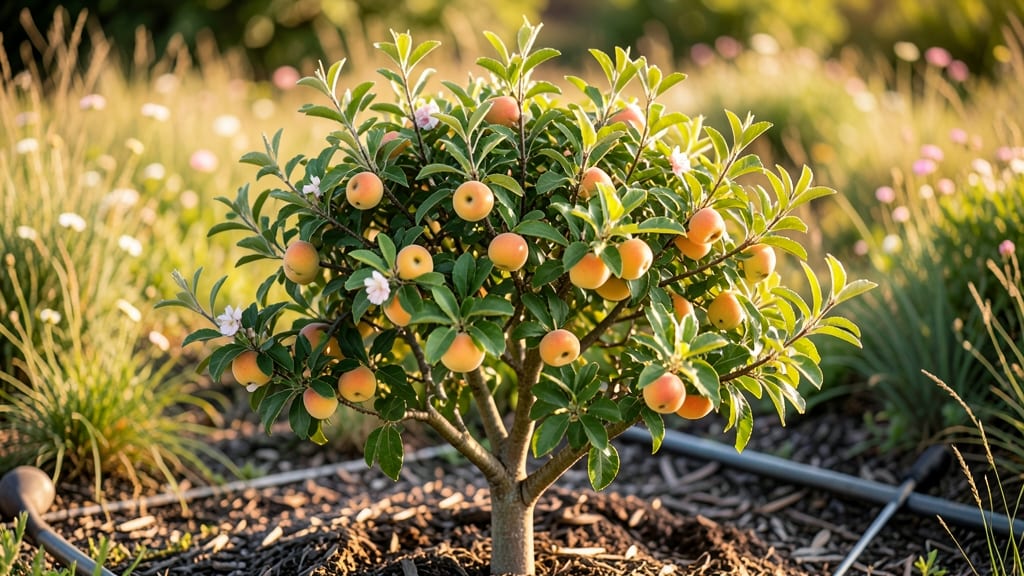
Donut peach trees grow best in USDA hardiness zones 5 through 9, where winter temperatures stay above -20°F (-29°C) and summers reach at least 75°F (24°C) for peak fruit production. Young trees in colder zones need extra winter protection.
These growing zones reflect both temperature extremes and the tree's need for consistent warmth during fruit development. 🌿 Donut peach trees require 200-400 chilling hours below 45°F (7°C) to set fruit properly, which explains why zone 5 gardens often produce better yields than zone 9's warmer winters.
Marginal zones (like 4 or 10) demand careful site selection—sheltered spots with southern exposure can push the tree's limits by 1-2 zones.
For container growing, choose dwarf varieties like 'Bonanza' that tolerate slightly cooler conditions. The key isn't just the zone number but microclimates—trees near heat-retaining walls or in protected valleys may thrive in colder official zones. Always check your local frost dates when planning planting times.
💡 In This Article
- Peach Tree Cold Hardiness and Winter Survival Factors
- Microclimates and Best Practices for Growing Donut Peach Trees
Peach tree cold hardiness and winter survival factors
The cold tolerance of donut peach trees hinges on their genetic dormancy cycles, which evolved to survive winter stress through a combination of bud hardiness and chilling hour accumulation.
Unlike tropical fruit trees, peaches enter a physiological state where they require 200-400 hours below 45°F (7°C) to properly set buds for spring flowering.
This chilling requirement explains why zone 5 gardens often produce better yields than zone 9's milder winters—without sufficient cold exposure, buds remain dormant or produce poor-quality fruit.
What actually happens at the cellular level is fascinating: peach buds contain protective compounds that prevent ice crystal formation in their tissues. However, these compounds only activate after consistent exposure to cold temperatures. A sudden drop below -10°F (-23°C) can rupture cell membranes, causing irreversible damage.
Young trees are particularly vulnerable because their bark is thinner and less insulated than mature specimens. 🌱 The critical threshold for winter survival is -20°F (-29°C), which is why zone 4 gardens require special protection measures.
Another critical factor is the tree's ability to recover from late-season frost events. Donut peach varieties typically bloom in early spring when temperatures are still unpredictable. If a 28°F (-2°C) frost hits during bloom, it can destroy up to 90% of flower clusters, resulting in minimal fruit set.
This is why growers in marginal zones often use frost cloth or strategically plant trees near heat-retaining structures like brick walls, which can create microclimates 5-10°F warmer than the surrounding area.
Mature peach trees develop better cold resistance through a process called "acclimation," where they gradually harden their tissues in response to autumn temperature drops. However, this process takes several weeks and requires consistent cooling—not rapid temperature swings.
That's why zone 6 gardens often see better survival rates than zone 7's more variable winters. The tree's root system also plays a crucial role: deeper roots insulate against ground-level temperature fluctuations, which is why proper soil preparation is essential before planting.
For container-grown donut peach trees, the cold tolerance drops even further due to the lack of ground insulation. Potted trees in zone 5 gardens may need to be moved to protected locations or wrapped in burlap and bubble wrap when temperatures approach 20°F (-7°C).
The key difference between container and in-ground trees is their ability to regulate temperature through soil contact. In-ground trees benefit from the earth's thermal mass, which can moderate temperature swings by 10-15°F compared to exposed container environments.
What most gardeners overlook is how summer heat preparation affects winter hardiness. Trees that receive insufficient summer sunlight (below 6-8 hours daily) produce weaker wood, making them more susceptible to winter damage.
This is why southern exposures are ideal—trees in these locations can build stronger structural integrity through photosynthesis during the growing season, giving them better cold resistance when winter arrives. 🌞