
Container Gardens
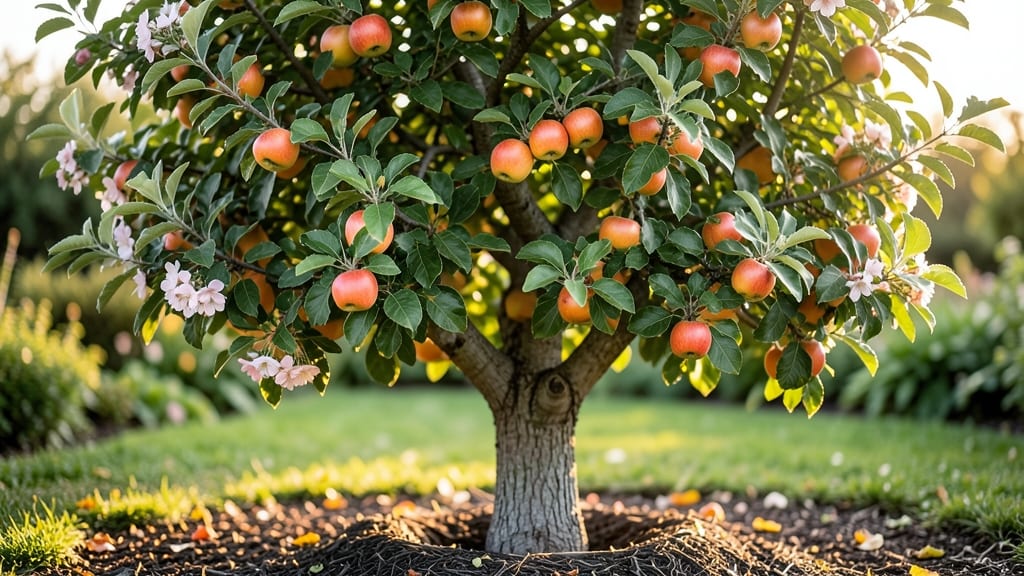
Gala apple trees grow best in USDA zones 4 through 8, where winter lows stay above -30°F (-34°C). Plant in early spring for strong root growth before summer heat, or in fall with frost protection to help roots establish before dormancy.
These zones balance cold hardiness with summer heat tolerance—too cold stunts growth, while extreme heat stresses the tree. 🌳 In my experience, zone 5 gardens often produce the sweetest Galas because they get enough winter chill (400-600 hours below 45°F) for proper dormancy, while zone 8's milder winters can lead to inconsistent flowering.
The key is matching your local microclimate to these broad zone guidelines.
For container growing, zone 6-7 offers the best compromise—trees can be moved indoors during harsh winters if needed. Just remember: young trees need 3-5 years to establish strong root systems, so planting timing directly impacts long-term fruit production.
💡 In This Article
- Gala Apple Tree Cold Hardiness by USDA Zone
- Best Planting Months for Gala Apple Trees by Region
Gala apple tree cold hardiness by USDA zone
The Gala apple tree's cold tolerance stems from its genetic heritage—bred from Golden Delicious and Kidd's Orange Red varieties, both known for their ability to withstand winter chill. In USDA zones 4-8, these trees enter a biological state called endodormancy during winter, where metabolic activity slows to survive sub-freezing temperatures.
The critical threshold is -30°F (-34°C), below which cellular damage occurs in the bark and buds, often leading to dieback or death. 🌱
Zone 4 gardens (like Minnesota or upstate New York) provide the necessary 600-800 hours of winter chill below 45°F (7°C) that Gala trees require to break dormancy properly. Without this chill period, trees may fail to flower or produce fruit.
Meanwhile, zone 8's milder winters (e.g., Southern California) can lead to inconsistent flowering if temperatures stay above 50°F (10°C) for extended periods, disrupting the tree's natural cycle.
The ideal balance occurs in zones 5-7, where winter lows typically range from -20°F to -10°F (-29°C to -23°C), protecting the tree while still providing adequate chill hours.
Summer heat tolerance varies too—Gala trees struggle in zones 9-10 where temperatures exceed 95°F (35°C) for prolonged periods. High heat accelerates water loss through transpiration, stressing the tree. In these regions, afternoon shade or drip irrigation becomes essential.
The tree's bark, while durable, can crack if exposed to rapid temperature swings between day and night, a common issue in desert climates like Arizona's zone 8b.
Microclimates play a surprising role in survival. A south-facing slope in zone 5 may experience 10°F (5.5°C) warmer winter temperatures than a north-facing valley, potentially pushing the tree closer to its cold limit.
Similarly, urban areas with concrete and buildings can trap heat, creating "heat islands" that may stress trees in marginal zones. Always consider these localized factors when selecting a planting site.
For container growing, zone 6-7 offers the best flexibility. Potted Gala trees can be moved to sheltered locations during winter or brought indoors if nighttime temperatures drop below 20°F (-6°C).
The key is ensuring the container's drainage prevents root rot—a common issue when cold, wet soil combines with inadequate insulation. A 15-20 gallon container provides enough root space for young trees, but larger containers improve stability and water retention.
What most gardeners overlook is the tree's bud hardiness—the buds themselves can tolerate -25°F (-32°C), but the wood may still suffer damage. This explains why some trees survive harsh winters but produce fewer fruits the following year.
Pruning to remove damaged wood in late winter (before buds swell) helps redirect energy to new growth, compensating for winter stress.