
Trees
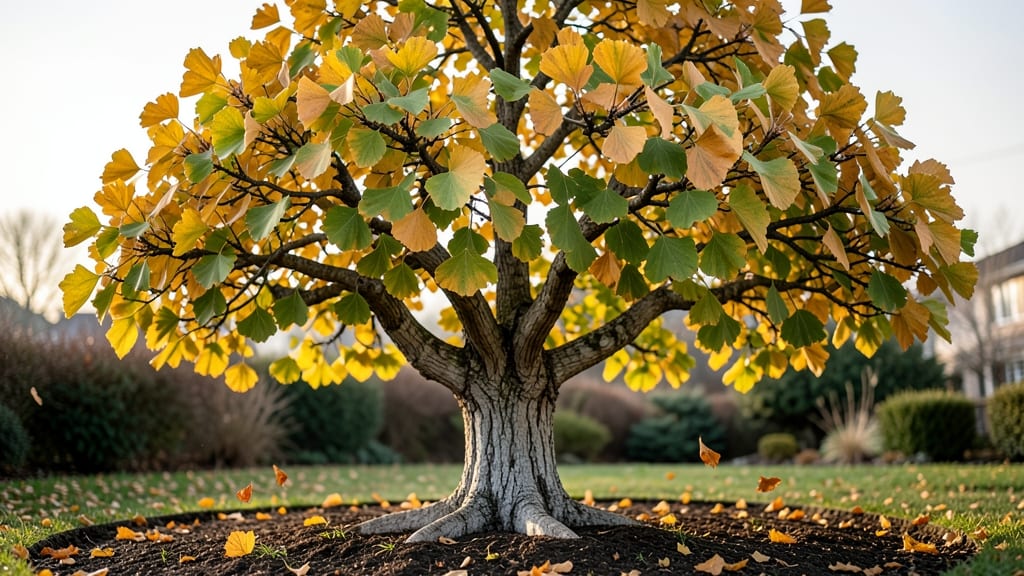
Ginkgo tree yellow leaves don’t have to mean goodbye to your golden foliage. ✨ I’ve nursed back more ginkgos than I can count, and the secret lies in three straightforward fixes that address the real causes—whether it’s thirsty roots, hungry soil, or unseen pests hiding in the branches.
The first step is diagnosing: check the leaf edges (crispy = underwatered; soft = overwatered) and flip leaves for tiny webs (spider mites) or black spots (fungus). Most yellowing stems from stress—either too much water clogging roots or too little letting them dry out between drinks.
My ginkgo thrives when I water deeply once a week instead of daily shallow sips.
Once you’ve ruled out water issues, feed the tree with a balanced 10-10-10 fertilizer in early spring, then again after new growth appears. For pests, a strong spray of water knocks off spider mites, while neem oil tackles stubborn fungal spots.
Within 4-6 weeks, you’ll see fresh green leaves pushing out alongside the iconic golden ones.
Prevention is where the magic happens: mulch heavily to lock in moisture, prune out dead branches in late winter, and inspect leaves monthly for early signs of trouble. My 3-step system keeps ginkgos looking their best year after year—no guesswork, just results.
Root Causes of Yellowing Ginkgo Leaves
If your ginkgo tree’s leaves are turning a bright, unnatural yellow, it’s usually a sign that something’s off—either with the tree itself or its environment. Unlike the golden hues of autumn, premature or patchy yellowing often points to stress, disease, or nutrient imbalances.
Let’s break down the most common reasons why this happens, so you can diagnose and fix the issue before it spreads.
Ginkgo trees thrive in well-balanced soil, and when key nutrients are lacking, leaves often turn yellow as a distress signal. Here’s what to watch for:
- Nitrogen deficiency:
Yellowing starts on older leaves (a bottom-up pattern) because nitrogen is mobile in the tree—it gets redirected to new growth. If the rest of the tree looks stunted or growth is slow, this is likely the culprit.
- Fix it: Apply a slow-release nitrogen fertilizer (like 10-10-10) in early spring, following package rates. Avoid overdoing it—too much nitrogen can burn roots.
- Iron or magnesium deficiency:
Yellowing appears between leaf veins (a condition called interveinal chlorosis), often on younger leaves. This is common in alkaline soils (pH > 7.0), where iron becomes unavailable.
- Fix it:
- Test your soil’s pH—aim for 6.0–7.0 for ginkgos. If it’s too high, amend with sulfur or peat moss.
- Use an iron chelate fertilizer (like ferrous sulfate) in early spring or fall. For magnesium, apply Epsom salt (1 tbsp per gallon of water) as a foliar spray.
- Fix it:
Pro Tip: 💡 Yellow leaves with green veins? That’s almost always iron or magnesium. If veins stay green but the rest turns yellow, nitrogen’s usually the issue.
Ginkgo trees are drought-tolerant, but they still need consistent moisture—especially in their first few years. Water stress (either over- or under-watering) can trigger yellowing, often paired with crispy edges or drooping leaves.
- Underwatering:
Leaves may yellow and curl inward, especially in hot, dry weather. The tree prioritizes root health, so leaves suffer first.
- Fix it: Water deeply 1–2 times per week (depending on climate) until the top 12 inches of soil are moist. Use mulch (3–4 inches) to retain moisture.
- Overwatering:
Yellowing with soggy soil or mushy roots (check by digging 2 inches deep) signals root rot. Ginkgos hate “wet feet.”
- Fix it:
- Improve drainage by amending soil with compost or perlite.
- Ensure the tree’s planted in a slightly raised bed or mound.
- Water only when the top inch of soil is dry—never on a schedule.
- Fix it:
Warning: ⚠️ If leaves are yellow and falling off rapidly, root rot may be setting in. Act fast—trim affected roots and repot if in a container.
While ginkgo trees are hardy, they’re not immune to pests and pathogens. Yellowing leaves can be a symptom of insect damage or fungal/bacterial infections. Here’s how to spot them:
- Spider mites or aphids:
Tiny pests suck sap, causing speckled yellowing or sticky residue (honeydew). Check the undersides of leaves for webs or bugs.
- Fix it:
- Spray with a strong jet of water to dislodge them.
- Use neem oil or insecticidal soap (repeat every 5–7 days).
- Fix it:
- Fungal leaf spot or rust:
Yellow or brown spots with dark borders (often with white powdery growth) signal fungal issues. These thrive in humid, wet conditions.
- Fix it:
- Remove and destroy infected leaves (don’t compost them!).
- Apply a copper fungicide or baking soda spray (1 tbsp baking soda + 1 quart water + a drop of soap).
- Improve airflow by pruning dense branches.
- Fix it:
- Ginkgo anthracnose:
A bacterial disease causing yellow, wilting leaves with black streaks on stems. Common in wet springs.
- Fix it:
- Prune and sterilize tools with rubbing alcohol.
- Use a copper-based bactericide early in the season.
- Fix it:
Pro Tip: 🔥 Magnify the issue: Use a hand lens to inspect leaves. Pests leave behind tiny eggs, webs, or chewed edges, while diseases often show as unusual patterns or textures.
Ginkgo trees are resilient, but extreme conditions or human-made stressors can turn leaves yellow. Here’s what to rule out:
- Heat or sun scorch:
Leaves may yellow and crisp along edges in direct afternoon sun, especially after sudden temperature spikes.
- Fix it:
- Provide afternoon shade with a temporary shade cloth (30–50% coverage).
- Water deeply in the early morning to reduce evaporation.
- Fix it:
- Salt or chemical buildup:
Yellowing near the edges of leaves (with brown tips) can mean salt damage (from tap water, fertilizers, or road salt runoff).
- Fix it:
- Flush the soil with rainwater or distilled water.
- Fix it:
Revive Your Ginkgo’s Glow
Yellowing leaves on your ginkgo tree can be a sign of stress, disease, or environmental factors—but the good news is, many causes have simple fixes. Below, we’ll break down practical solutions tailored to the most common culprits, so you can restore your tree’s vibrant green canopy in no time.
Plus, we’ll share preventive tips to keep those golden leaves at bay for good!
Fix it: If your ginkgo’s roots are soggy, yellow leaves are often the first warning sign. Ginkgo trees (Ginkgo biloba) prefer well-draining soil and moderate moisture—they hate "wet feet."
- 🔥 Check the Soil – Stick your finger 2–3 inches deep into the soil. If it feels damp or muddy, your tree is overwatered.
- 🍳 Improve Drainage – Amend the soil with compost, perlite, or coarse sand to loosen heavy clay.
For container-grown ginkgos, ensure pots have drainage holes and use a mix of potting soil + sand. 3. 👨🍳 Adjust Watering – Water deeply but infrequently. Aim for 1–1.5 inches per week (less in winter). Let the top 2 inches of soil dry out before watering again.
- ⏰ Mulch Properly – Apply 2–3 inches of organic mulch (like wood chips) around the base, but keep it 6 inches away from the trunk to prevent rot.
💡 Pro Tip: If your tree is in a low-lying area where water pools, consider raising the planting bed or installing a French drain to redirect excess water.
Fix it: Ginkgo trees are drought-tolerant, but prolonged dry spells can cause leaves to yellow and crisp. If the soil is bone-dry, your tree is thirsty!
- 🌡️ Test Soil Moisture – Press your finger into the soil. If it’s completely dry, it’s time to water.
- 💦 Water Deeply – Use a soaker hose or drip irrigation to deliver water slowly and deeply (1–2 inches per session). Avoid shallow watering, which encourages weak roots.
- 🥗 Add Mulch – A 3-inch layer of mulch helps retain moisture and regulate soil temperature. Replenish it annually.
- 🎯 Monitor Young Trees – Mature ginkgos handle drought better, but newly planted trees need consistent watering for the first year.
✨ Prevention: Install a rain gauge near your tree to track rainfall. If it’s been dry for 2+ weeks, water even if the soil isn’t bone-dry.
Fix it: Yellowing leaves with black spots, lesions, or powdery residue? Fungal infections like anthracnose or leaf spot thrive in humid, wet conditions.
- 🔪 Prune Infected Leaves – Remove all yellowed or spotted leaves and dispose of them in the trash (not compost). Sterilize pruners with rubbing alcohol between cuts.
- 🍎 Apply Fungicide – Use a copper-based fungicide or neem oil spray (follow label instructions).
Reapply every 7–14 days during wet spells. 3. 🌡️ Improve Airflow – Thin out dense foliage to reduce humidity around the tree. Avoid overhead watering, which can spread spores. 4. 🎯 Prevent Recurrence – Rake up fallen leaves in autumn to remove overwintering fungi.
Consider mulching with pine straw (less prone to mold than wood chips).
💡 Pro Tip: Water early in the morning so leaves dry quickly—fungi love damp foliage!
Fix it: Yellow leaves with green veins (a classic sign of iron or zinc deficiency) or pale yellowing (possible nitrogen deficiency) mean your ginkgo needs a nutrient boost.
- 📊 Soil Test First – Before fertilizing, test your soil with a home test kit or send a sample to a local extension office. This tells you exactly what’s missing.
- 💪 Fertilize Correctly – - For iron/zinc deficiency: Apply chelated iron or zinc sulfate (follow package rates).
These are quick-acting for yellowing leaves. - For nitrogen deficiency: Use a balanced, slow-release fertilizer (like 10-10-10) in early spring. Avoid high-nitrogen fertilizers later in the year—they encourage soft, vulnerable growth.
- 🥗 Organic Options – Mix compost or worm castings into the top 6 inches of soil for a gradual nutrient release.
- ⏰ Timing Matters – Fertilize in early spring (before new growth) and early fall to support root development.
💡 Pro Tip: If your soil is alkaline (pH > 7.0), iron and zinc become less available. Lower pH with sulfur or peat moss to help the tree absorb these nutrients.
Fix it: Tiny yellow stipples, webbing, or sticky residue on leaves? Pests like spider mites, scale insects, or ginkgo psyllids suck sap, causing leaves to yellow and drop.
- 🔍 Inspect Leaves – Hold a magnifying glass to spot tiny bugs, webs, or eggs on the undersides of leaves.
- 🍳 Blast Off Pests – - For spider mites: Spray leaves with a strong stream of water to dislodge them, then apply insecticidal soap or neem oil. - For scale insects: Scrape off visible bugs with a plastic scraper, then treat with horticultural oil. - For ginkgo psyllids: Use pyrethrin-based sprays (like those for aphids) in early summer when nymphs hatch.
- 👨🍳 Encourage Beneficial Insects – Attract ladybugs and lacewings by planting nearby flowers (like marigolds or dill).
- 🎯 Prevent Future Infestations – Prune and dispose of heavily infested branches promptly. Avoid over-fertilizing with nitrogen, which attracts soft-bodied pests.
✨ Prevention: Mulch around the base with crushed walnut shells (natural pest deterrent) or diatomaceous earth (food-grade only).
Fix it: If your ginkgo’s leaves are yellowing in patches with brown edges, it may be sun-scorched—especially if it’s a young tree or was recently transplanted.
- 🌿 Provide Shade Temporarily – Use a shade cloth (30–50%) for 2–4 weeks to help the tree acclimate if it’s in a hot, exposed spot.
- 💦 Water Deeply & Frequently – During heatwaves, water every 2–3 days (early morning or late evening).
- 🍎 Mulch Heavily – A 4-inch layer of mulch keeps roots cool and moist.
- ⏰ Gradual Sun Exposure – If your ginkgo was recently planted, avoid full sun until it’s established (1–2 years).
💡 Pro Tip: Ginkgos love sun but need time to adjust. If possible, plant them in partial shade (especially in hot climates) for the first year.
Final Thought: Most ginkgo leaf yellowing is fixable with the right care! Start by identifying the cause, then follow the steps above. With a little TLC, your tree will be back to its lush, green glory in no time. 🌿✨
Frequently asked questions
Why do my ginkgo tree leaves turn yellow in fall?
This is completely normal! Ginkgo trees are famous for their golden autumn foliage, which develops naturally as temperatures drop. The yellowing occurs when chlorophyll breaks down, revealing the tree's natural pigments. Unlike disease-related yellowing, these leaves will eventually fall, making way for next year's growth.
Can I save a ginkgo tree with completely yellow leaves?
It depends on the cause. If yellowing is due to nutrient deficiency or water issues, the tree can often recover with proper care. However, if the yellowing is from severe disease or root rot, the damage may be irreversible. Always check the soil, leaves, and roots first to diagnose the problem before deciding.
How often should I fertilize a ginkgo tree with yellow leaves?
For yellow leaves caused by nutrient deficiency, fertilize twice a year: once in early spring (before new growth) and again in early fall. Use a balanced fertilizer (10-10-10) or a slow-release organic option. Avoid over-fertilizing—too much nitrogen can burn roots and worsen yellowing.
Are yellow leaves on my ginkgo tree contagious to other plants?
Only if the yellowing is caused by fungal or bacterial diseases, like anthracnose or leaf spot. These can spread to nearby plants if spores are present. Remove infected leaves immediately and sterilize pruning tools. For pest-related yellowing (like spider mites), the issue is usually contained to the ginkgo unless other plants are heavily infested.
Will pruning help yellow leaves on my ginkgo tree?
Pruning alone won’t fix yellow leaves, but it can help in two ways: First, remove dead or severely yellowed branches to improve airflow and reduce stress. Second, if yellowing is from overcrowding, thinning dense areas can prevent future issues. Always prune in late winter or early spring for best results.