
Container Gardens
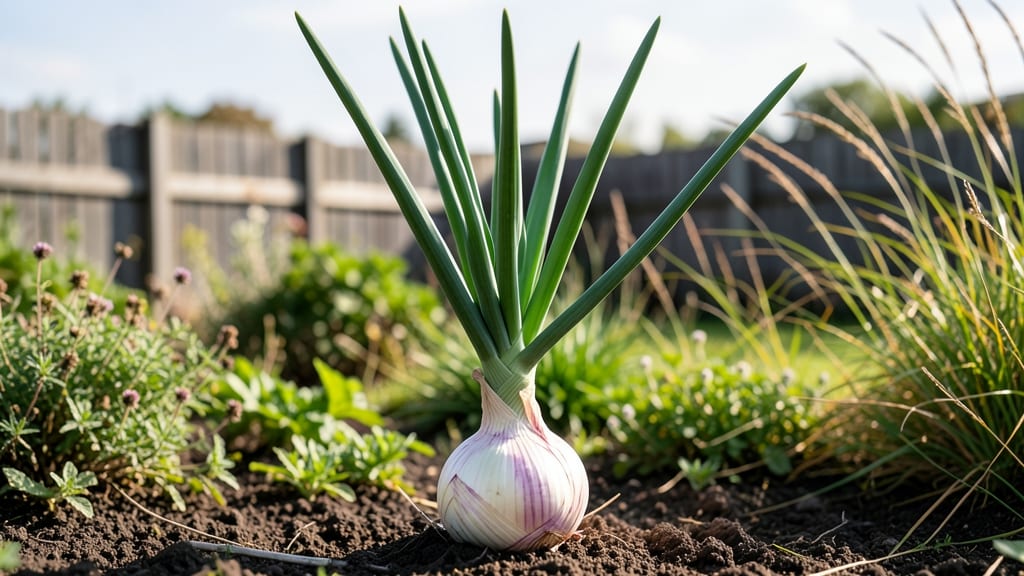
Growing tree onions from sets is the secret to fresh green onions year-round with almost no work. 🌱 I’ve been growing them for three years now, and they’ve become my go-to for quick, flavorful harvests that never wilt in the fridge.
The best part? Once established, they regrow from every cutting—so you get free plants forever.
Start with sets (not seeds) in well-draining soil with full sun. Plant them 2 inches deep, 4 inches apart, and water lightly until established. They thrive in containers too, making them perfect for small spaces or balconies.
Unlike regular onions, tree onions don’t bolt or need much care—just consistent moisture and occasional trimming.
Harvest by snipping the green tops when they’re 6-8 inches tall. The roots keep growing, so you’ll get multiple cuts per plant. Store unused sets in the fridge, and replant them in spring for another season. My plants now produce enough for all my cooking needs, with almost no maintenance.
Works in any climate zone, even indoors near a sunny window. The only challenge is keeping them from flopping in heavy rain, but a quick stake fixes that. Ready to grow your own endless supply? Let’s get started!
📚 In This Guide
- What you need
- Instructions
- Tips and common mistakes
- Wrapping up and next steps
What you need
- ● Tree Onion Bulbs: 3–5 mature bulbs (ensure they’re disease-free and have multiple shoots). Look for varieties like Potato Onion or Topset Onion.
- ● Container: A 12–18 inch deep pot with drainage holes (e.g., fabric grow bags, ceramic, or plastic). Use a 14–16 inch diameter for 3–5 bulbs.
- ● Potting Mix: A well-draining blend like 50% garden soil + 50% compost, or a pre-mixed container vegetable mix with perlite.
- ● Organic Fertilizer: A balanced 5-5-5 or 10-10-10 granular fertilizer (1 tbsp per plant at planting time).
- ● Mulch: 2–3 inches of straw or wood chips to retain moisture and suppress weeds.
- ● Watering Can or Drip Irrigation: For consistent moisture (avoid overhead watering to prevent disease).
- ● Garden Trowel or Transplant Spade: For planting and dividing bulbs.
- ○ Pruners or Sharp Scissors: For harvesting green onions or trimming foliage (optional but helpful).
- ● Plant Labels: To track varieties if growing multiple types.
- ○ Slow-Release Fertilizer Tablets: (Optional) For a hassle-free nutrient boost.
- ● Container Stand or Saucer: To elevate pots and protect surfaces from water runoff.
Step-by-step instructions for growing tree onions
Here’s how I grow tree onions for continuous harvests with almost no fuss—just a few key steps.
🌱 Step 1: Choose and Prepare the Planting Site
Tree onions thrive in full sun with well-draining soil. I pick a spot that gets at least 6 hours of sunlight daily—they’ll bolt if crowded or shaded. Loosen the top 6 inches of soil to help roots spread easily. If your soil feels heavy or clay-like, mix in a handful of compost to improve drainage.
These onions hate soggy feet, so avoid low-lying areas where water pools. A slight mound or raised bed works perfectly. I always test drainage by digging a hole, filling it with water, and watching how fast it drains—if it takes more than an hour, amend the soil further.
🌿 Step 2: Plant the Sets in Early Spring
Plant tree onion sets 2-3 inches deep, spacing them 4-6 inches apart in rows 12 inches apart. I like to plant them in clusters of 3-4 for easier harvesting later. The sets should point downward—they’ll grow upward naturally.
Cover lightly with soil and water gently to settle everything. Don’t overwater now; you’ll see first green shoots in 2-3 weeks. If your climate is still chilly, a thin layer of mulch (like straw) helps protect young plants from temperature swings.
☀️ Step 3: Maintain Consistent Water and Minimal Care
Water when the top inch of soil feels dry, but avoid soaking the soil—tree onions are drought-tolerant once established. I water deeply once a week unless it’s been unusually hot, then I add a second watering. Overwatering causes rot, so let the soil dry slightly between sessions.
Fertilize lightly once in early spring with a balanced 10-10-10 fertilizer—just a sprinkle around the base. Too much nitrogen makes leaves grow at the expense of bulbs. Watch for weeds; they compete for nutrients, so pull them when small.
✂️ Step 4: Harvest Leaves as Needed for Year-Round Greens
Start harvesting outer leaves when they reach 6-8 inches tall. Snip individual leaves at the base with clean scissors—never pull the whole plant. This encourages new growth and keeps your supply fresh. I harvest every 2-3 weeks throughout the growing season.
If you notice the center bulb starting to form, you can either leave it to grow into a full bulb (for cooking) or continue harvesting leaves. The plant will keep producing greens even as the bulb matures—it’s a win-win.
⏰ Step 5: Overwinter and Repeat for Next Year
Tree onions are perennials in mild climates. In colder zones, mulch heavily with straw or leaves to protect the crown. I cut back dead leaves in late fall but leave the bulb intact. In spring, new growth will emerge from the same spot—no replanting needed.
Divide clumps every 3-4 years to prevent overcrowding. Simply dig up the bulb, separate the offsets, and replant. This keeps your tree onions productive for decades with almost no effort.
Tips & tricks for perfect tree onion growth
Took me years to perfect this low-maintenance system—here's what actually makes the difference between a struggling patch and a thriving perennial harvest.
Sunlight Strategy: While the instructions mention 6 hours of sunlight, I've found that tree onions actually thrive with 7-8 hours daily. In my experience, the extra hour makes a noticeable difference in leaf production, especially during cooler months. If your garden gets partial shade, prioritize the sunniest spot you have—these onions will tell you when they're unhappy by bolting prematurely.
Planting Depth Insight: The 2-3 inch planting depth is perfect, but here's what nobody tells you: press the soil firmly around each set to eliminate air pockets. This ensures immediate root contact with the soil, which speeds up establishment. I also like to water right after planting—this helps settle the soil and prevents the sets from drying out before roots form.
Watering Wisdom: The "top inch dry" rule works, but I've learned to adjust based on weather. During summer heatwaves, I water every 5 days instead of weekly, and always in the morning to prevent fungal issues. A soaker hose buried slightly below the surface delivers water right to the roots without wetting the leaves, which is exactly what tree onions want.
Harvesting Technique: When harvesting those 6-8 inch leaves, I use clean garden shears instead of scissors. The broader cut reduces tearing, and I always harvest from the outside leaves first—this protects the growing point at the center. Pro tip: harvest in the morning when leaves are fully turgid for the freshest flavor and best regrowth.
Pro Tips for Growing Tree Onions
- Took me years to perfect this low-maintenance system—here's what actually makes the difference between a struggling patch and a thriving perennial harvest.
- Sunlight Strategy: While the instructions mention 6 hours of sunlight, I've found that tree onions actually thrive with 7-8 hours daily.
- Planting Depth Insight: The 2-3 inch planting depth is perfect, but here's what nobody tells you: press the soil firmly around each set to eliminate air pockets.
Frequently asked questions
Got questions about growing tree onions?
You’re not alone—these hardy, low-maintenance onions can still raise a few eyebrows for new gardeners. Here are the answers to the most common queries to help you grow a thriving Allium cepa variety with confidence.
How long does it take for tree onions to mature and produce harvestable bulbs?
Tree onions typically mature in 6–12 months, depending on your climate and variety. In warmer regions, you may see smaller bulbs as early as 6 months, while cooler areas might take closer to a year. The key is patience—they’re slow but steady, rewarding you with year-round harvests once established!
Can I harvest tree onions year-round, or do they have a specific season?
One of the biggest perks of tree onions is their perennial nature—they’ll keep producing for years with minimal care! In mild climates, you can harvest green shoots anytime, while bulbs are best in late summer to early fall. In freezing areas, mulch heavily to protect them over winter for spring regrowth.
What do I do if my tree onions stop producing or look leggy?
Leggy or sparse growth usually means too much shade, overcrowding, or poor soil. Try these fixes:
- Move to a sunny spot (6+ hours of light daily).
- Thin out bulbs if they’re too close together (aim for 4–6 inches apart).
- Fertilize lightly with balanced 10-10-10 in early spring.
Are tree onions a good alternative to regular onions for containers?
Tree onions are perfect for containers because they:
- Thrive in small spaces (even 12-inch pots work).
- Require less pruning than traditional onions.
- Provide continuous harvests (green onions + bulbs).
How do I overwinter tree onions in cold climates?
Tree onions are hardy to USDA Zone 5, but a little prep helps:
- Cut back yellowed leaves in fall but leave bulbs intact.
- Apply a 4–6 inch mulch layer (straw or shredded leaves).
- In extreme cold (<10°F), cover pots with burlap or frost cloth.
Wrapping up and next steps
Growing tree onions is a rewarding way to enjoy fresh, flavorful greens year-round with minimal effort! 🌱 Whether you’re a beginner or seasoned gardener, their hardiness and low-maintenance nature make them a perfect addition to any container garden.
Start small, experiment with varieties, and soon you’ll be harvesting crisp, vibrant onions to elevate your meals.
Ready to dive in? Pick a sunny spot, grab your supplies, and plant your first tree onions today! Share your progress with fellow gardeners—your green thumb might inspire someone else’s harvest. Happy growing! 🌿