
Pruning
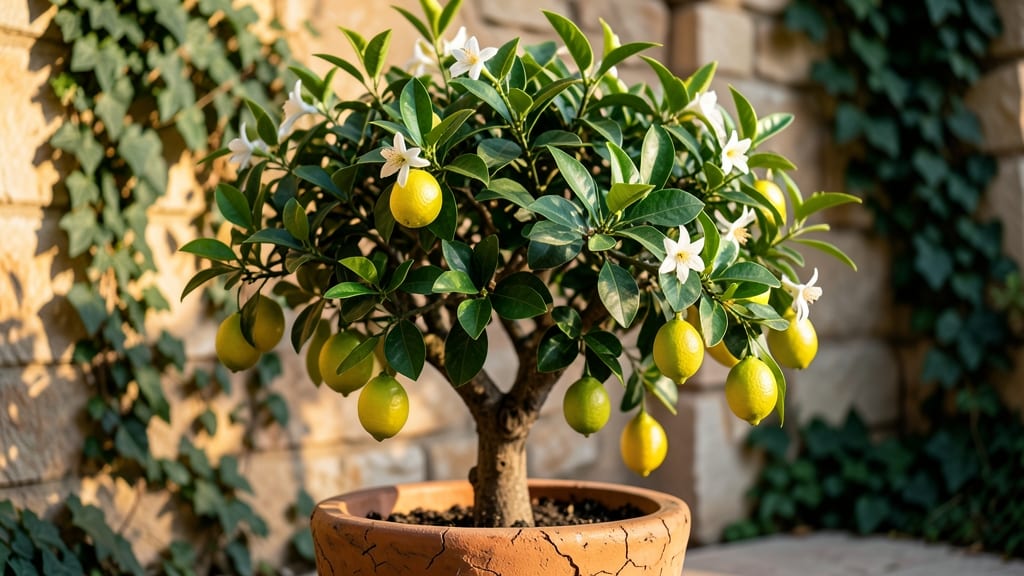
Patio lemon tree care boils down to two things: sunlight and patience. 🌞 I’ve watched my Meyer lemon tree go from a sad, bare branch to a productive little tree that yields fruit twice a year—all without fancy tools or a green thumb.
The secret? Mimicking its natural Mediterranean climate in a container, even when you’re stuck with winter freezes or summer heatwaves.
Most people overcomplicate it—watering schedules, soil mixes, pruning—but the basics are simple: 6+ hours of sun daily, well-draining soil, and a 10-15 gallon pot for dwarf varieties.
Skip the heavy-handed pruning unless you’re shaping it (I leave mine alone except for dead branches), and you’ll avoid the stress that causes leaf drop.
The real magic happens when you adjust for seasons: move it indoors when temps dip below 35°F, and keep it lightly fertilized every 6-8 weeks during growing months.
By summer, you’ll be picking tiny, sweet lemons—way better than store-bought—and the tree will look like it belongs in a sun-drenched grove, not a patio. The key is consistency: no soggy soil, no neglect, and a little winter TLC.
Even my first-year attempt (which I nearly killed with overwatering) taught me the one rule: lemon trees hate being ignored.
Works for Meyer lemons, Improved Meyer, or dwarf varieties—just scale the pot size. Here’s how to keep yours thriving without the overwhelm.
📚 In This Guide
- What you need
- Instructions
- Tips and common mistakes
- Wrapping up and next steps
What you need
- ● Potting Soil: 5–10 gallons of well-draining, slightly acidic potting mix (pH 6.0–7.0). Look for a blend labeled for citrus or Mediterranean plants.
- ● Container: A durable, unglazed pot (15–25 gallons, depending on tree size) with drainage holes and a saucer to catch runoff.
- ● Lemon Tree: A dwarf or semi-dwarf variety (like ‘Meyer’ or ‘Improved Meyer’) for patio-friendly growth. Check local nurseries for healthy, disease-free saplings.
- ● Pruning Tools: 1 pair of bypass pruners (for clean cuts on small branches).
- ● 1 pair of loppers (for thicker branches, if needed).
- ● 1 sterilizing solution (rubbing alcohol or bleach water) to disinfect tools between cuts.
- ● Fertilizer: A balanced citrus fertilizer (e.g., 6-6-6 or 8-3-9 NPK ratio) or organic options like fish emulsion or citrus-specific granules.
- ● Mulch: 1–2 inches of organic mulch (e.g., straw or wood chips) to retain moisture and regulate soil temperature.
- ● A moisture meter to monitor soil hydration without overwatering.
- ● Citrus-specific pest control (e.g., neem oil or insecticidal soap) for aphids or spider mites.
- ● A sunlight meter to ensure your patio gets the ideal 6–8 hours of direct sun daily.
- ● Support stakes or trellis if your tree grows tall and needs guidance.
- ● A spray bottle for misting leaves (especially in dry climates).
Step-by-Step instructions for patio lemon tree care
Here's the simple routine I've used for years to keep my dwarf lemon tree thriving in containers.
☀️ Step 1: Position for Maximum Sunlight
Place your patio lemon tree where it gets 6-8 hours of direct sunlight daily. South-facing patios work best, but west-facing spots can work if you move the tree to catch morning sun. I notice my tree's leaves become pale and sparse when it doesn't get enough light—this is your first warning sign.
Rotate the pot a quarter turn weekly so all sides receive equal light exposure. You'll see new growth appear evenly around the tree when you do this consistently. If your patio has afternoon shade, choose a more sun-exposed location rather than trying to compensate with artificial light.
💧 Step 2: Water Deeply but Infrequently
Water when the top 2-3 inches of soil feel completely dry—stick your finger in the soil to check. Lemon trees hate soggy roots, so I water deeply until water runs out the drainage holes, then wait until the soil dries again. Overwatering causes yellow leaves and root rot, which is irreversible.
Use room-temperature water to avoid shocking the roots. In summer, I water every 5-7 days, while winter watering drops to every 10-14 days. The key is consistent moisture without waterlogging—your tree will tell you when it's thirsty by wilting slightly in the afternoon.
🌿 Step 3: Feed During Active Growth
Apply a balanced citrus fertilizer every 4-6 weeks during spring and summer when you see new growth. I use a 6-6-6 ratio fertilizer diluted to half-strength to avoid burning the roots. Stop fertilizing in fall and winter when the tree enters dormancy—this prevents weak, leggy growth.
Look for small, pale green leaves forming in spring as your signal to start fertilizing. If you notice leaves turning yellow with brown edges, you're over-fertilizing—flush the soil with water immediately to prevent root damage.
✂️ Step 4: Prune Strategically Twice a Year
Prune in late winter to shape the tree and remove dead or crossing branches. I cut back to just above a leaf node using clean, sharp pruners—this encourages bushier growth. Never prune more than 25% of the tree's foliage at once, or you'll stress it.
Do a light summer pruning after flowering to remove any suckers (shoots growing from the trunk) and to improve air circulation. You'll see new, vigorous growth appear within weeks of proper pruning—this is your reward for minimal effort.
🪴 Step 5: Protect During Temperature Swings
Move your lemon tree indoors or to a sheltered location when temperatures drop below 40°F or rise above 95°F. I keep mine in a garage with a window during winter, where it gets bright but indirect light. Sudden temperature changes cause leaf drop and stress the tree.
If you must leave it outside in winter, wrap the pot in bubble wrap and cover with frost cloth. The goal is to maintain 50-70°F temperatures year-round—this keeps your tree consistently happy without the need for complex systems.
Tips & tricks for perfect patio lemon tree care
These simple yet game-changing strategies will help you avoid common pitfalls and keep your citrus tree thriving year-round with minimal effort.
Sunlight Strategy: If your patio only gets partial sun, supplement with a grow light for 4-6 hours daily during winter months when natural light decreases. Position the light 6-12 inches above the tree and use it in the morning or evening when sunlight is weakest. I've seen trees go from struggling to thriving by adding just 2 hours of artificial light—it makes all the difference during cloudy seasons.
Soil Check Technique: For the most accurate moisture reading in Step 2, use a soil moisture meter instead of just your finger. These inexpensive tools give precise readings down to 4 inches deep, helping you avoid both underwatering and overwatering. I keep mine near my patio tools and check it every time I'm about to water—it's become my secret weapon for consistent success.
Fertilizer Timing: The 4-6 week feeding schedule in Step 3 works perfectly when you time it with your tree's natural growth cycles. Start fertilizing when you see new leaves forming in spring, then continue every 4 weeks until late summer. In my experience, stopping fertilizing by early September prevents weak growth before winter dormancy. The key is consistency—never skip a feeding once you start the cycle.
Pruning Recovery: After your late winter pruning in Step 4, apply a root stimulator to the soil to help the tree recover faster. I use a diluted solution of seaweed extract (about 1 tablespoon per gallon of water) and water it into the soil immediately after pruning. This simple step helps reduce stress and promotes new growth within weeks.
Pro Tips for Patio Lemon Tree Care
- These simple yet game-changing strategies will help you avoid common pitfalls and keep your citrus tree thriving year-round with minimal effort.
- Sunlight Strategy: If your patio only gets partial sun, supplement with a grow light for 4-6 hours daily during winter months when natural light decreases.
- Soil Check Technique: For the most accurate moisture reading in Step 2, use a soil moisture meter instead of just your finger.
Frequently asked questions
How often should I water my patio lemon tree?
Water deeply once a week in warm months (or when the top inch of soil feels dry). In winter, reduce to every 2-3 weeks—overwatering is the #1 killer! Use a moisture meter for precision, especially in pots where drainage matters most.
Can I keep my lemon tree outside in winter?
If temps drop below 25°F (-4°C), bring it indoors near a sunny window. For milder climates, wrap the pot in burlap and move it to a sheltered spot. Pro tip: Prune lightly in late winter to encourage spring growth!
Why aren’t my lemon tree’s leaves turning yellow?
Yellow leaves usually mean overwatering, nutrient deficiency, or pests. Check for:
- Root rot (smelly, mushy roots)
- Thrips/spider mites (tiny webs on undersides)
- Lack of zinc/magnesium (use a citrus-specific fertilizer)
Should I prune my lemon tree in summer?
Prune in late winter/early spring (before new growth) to avoid stress. Summer pruning can expose the tree to sunburn. Focus on removing dead wood, crossing branches, and shaping—keep it airy for airflow!
What’s the easiest low-maintenance lemon tree for patios?
Try Meyer lemon trees—they’re cold-hardier, disease-resistant, and produce sweeter fruit than standard lemons. Dwarf varieties (like ‘Improved Meyer’) stay manageable in containers. Just give them 6+ hours of sun and occasional pruning!
How do I get rid of pests naturally?
Spray with a mix of 1 tsp neem oil + 1 quart water (reapply weekly). For aphids, blast off with water. Introduce ladybugs or lacewings for long-term control. Avoid chemicals—they harm beneficial insects!
Wrapping up and next steps
Caring for your patio lemon tree is simpler than you think! With the right location, soil, and light, plus a little watering and seasonal attention, you’ll enjoy fresh lemons year-round—even with minimal pruning.
Remember, consistency is key: prune lightly, fertilize smartly, and protect during harsh weather to keep your tree thriving.
Ready to harvest your first lemons? Start by monitoring your tree’s growth and adjusting care as needed. Before you know it, you’ll be sipping homemade lemonade straight from your backyard! 🍋✨