
Watering
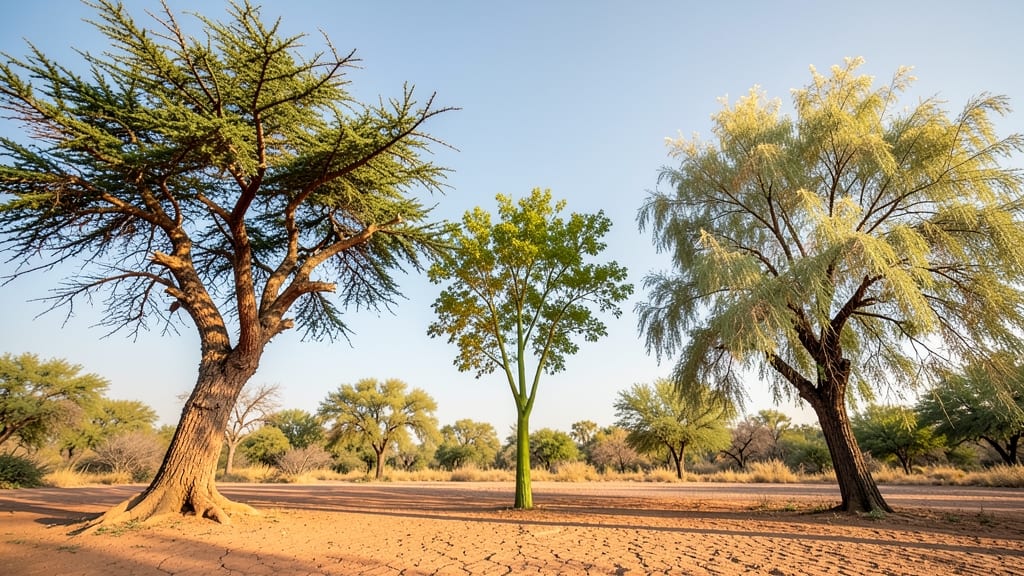
New trees need proper watering to establish strong roots, but overwatering can be just as harmful. This seasonal guide breaks down exactly how long to water young trees with a hose—from saplings to 3-year-old specimens—based on age, climate, and soil conditions.
Newly Planted Saplings Under One Year
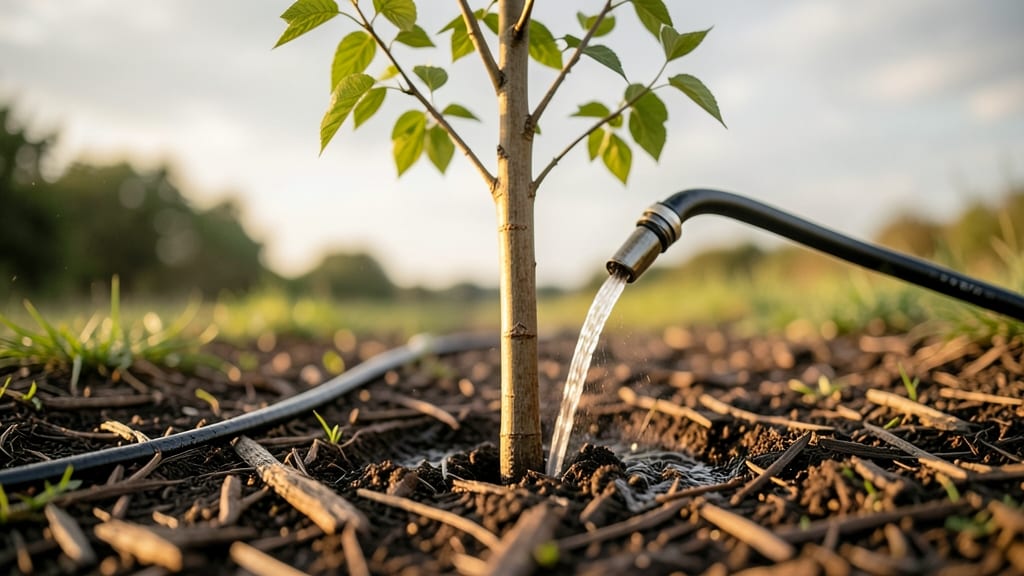
The first year of a tree’s life is its most delicate—think of it as the foundation for decades of growth. During this critical phase, deep, slow watering is the secret to encouraging strong root development, not just surface hydration. A quick splash won’t cut it; your goal is to saturate the soil 12-18 inches deep to coax roots downward and outward.
For newly planted saplings, water 2-3 times per week (or daily in extreme heat) using a hose set to a gentle, steady stream. Focus the flow at the root ball, not the trunk, and let it run for 15-20 minutes per session—long enough to see water trickle out the other side of the hole. Avoid wetting foliage to prevent disease, and always water early morning or late evening to minimize evaporation. A 2-3 inch layer of mulch will help retain moisture and regulate soil temperature.
This method is a lifesaver for gardeners with fragile young trees—whether you’re planting a dogwood in your backyard or a maple in a community space. With consistent deep watering, your saplings will develop the resilience to thrive for years to come. 🌱
One-Year-Old Trees Establishing Roots
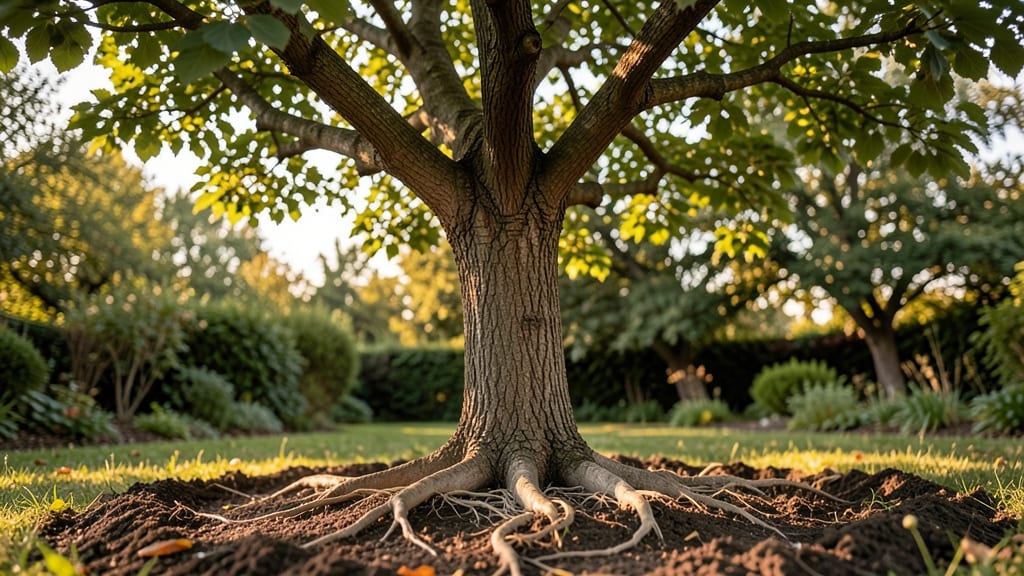
At this stage, your one-year-old tree is no longer a delicate sapling but has started building a stronger root system—meaning you can ease up on watering frequency while keeping it consistent. This is the perfect time to shift from daily checks to a structured weekly routine, ensuring roots grow deeper without stress.
For most species, aim for 10-15 minutes of deep watering per session, delivered slowly at the drip line (the edge of the tree’s canopy) to encourage root expansion outward. Use a soaker hose or adjustable nozzle to avoid surface runoff, and water early morning or late evening to reduce evaporation. Mulch remains your best friend here—apply a 2-3 inch layer to retain moisture and regulate soil temperature.
This approach works especially well for gardeners who’ve been watering daily but want to simplify their routine. With fewer sessions, your tree learns to develop resilience while you save time—just keep an eye on soil moisture to adjust as needed. 💡
Two-Year-Old Trees in Drought-Prone Areas
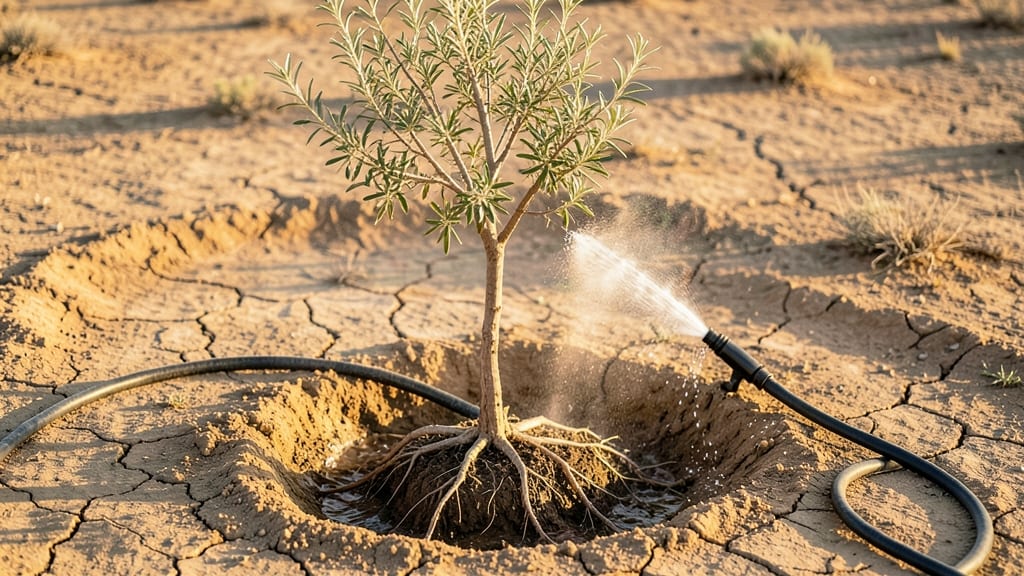
Living in drought-prone zones like deserts or Mediterranean climates means your two-year-old trees face a tough balancing act—getting enough water to thrive without wasting precious moisture to evaporation. The key here is deep, slow saturation that mimics natural rain events, ensuring roots drink deeply before the sun turns the surface to dust.
For these resilient trees, water once every 10-14 days using a hose set to a gentle, steady stream (about 5-10 gallons per watering session). Focus the flow at the drip line—where the tree’s branches end—and let it run for 30-45 minutes to penetrate 12-18 inches deep. Mulch heavily (3-4 inches) to lock in moisture, and water early morning or late evening to minimize evaporation. Native species like mesquite or olive trees handle this routine beautifully.
This method is a game-changer for gardeners in arid regions, reducing water waste while keeping roots hydrated. With the right approach, your two-year-olds will grow strong enough to handle even the driest summers. 🌻
Three-Year-Old Trees in Clay Soil
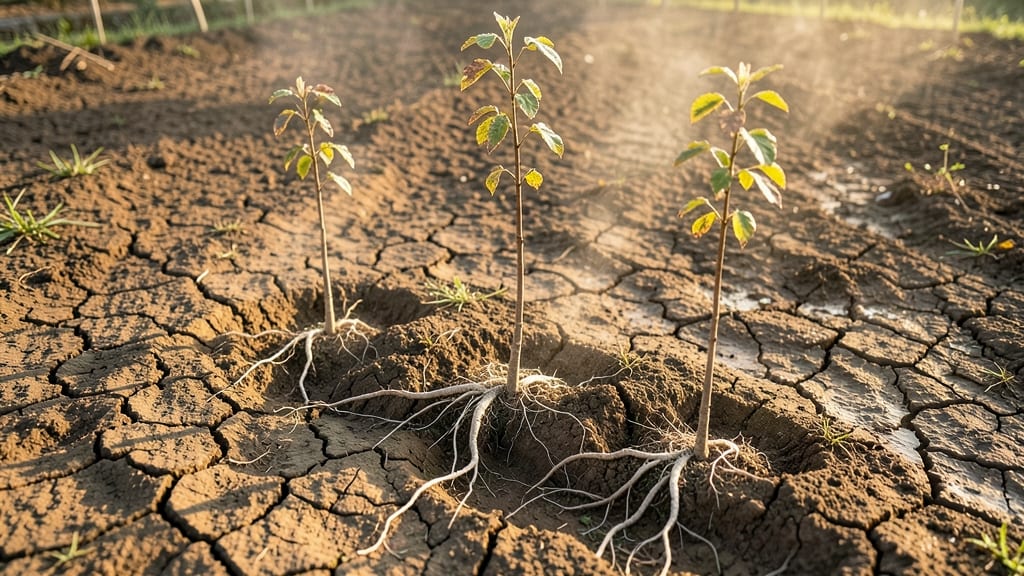
If your garden sits in a region with heavy clay soil, your three-year-old trees need a watering approach that prevents root suffocation—not just hydration. Unlike sandy soils, clay holds water like a sponge, smothering roots if overwatered, yet drains poorly during dry spells, leaving roots thirsty.
For these trees, water slowly and in shorter bursts (15-20 minutes per session) to allow absorption without pooling. Use a soaker hose or gentle spray nozzle to distribute water evenly at the drip line, not just the trunk. Monitor soil moisture by pushing a finger 2-3 inches deep—if it’s damp, wait before watering again. Mulch helps regulate moisture by reducing evaporation from the clay surface.
This method is a game-changer for gardeners in clay-heavy zones like the Midwest or Southeast, where roots often struggle between drowning and dehydration. With the right approach, your trees will thrive without the guesswork. 💚
Young Fruit Trees During Blooming Season
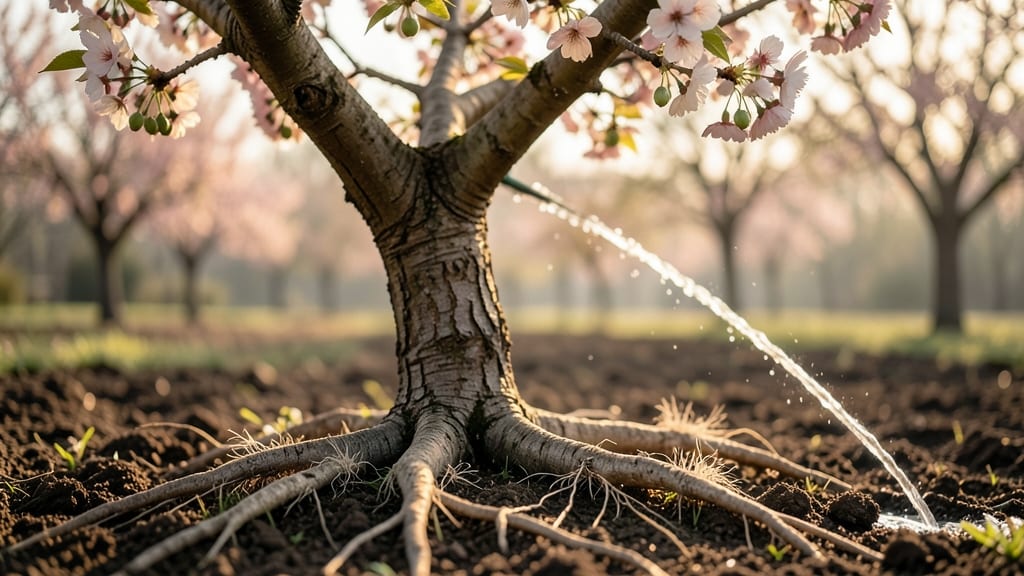
When your young fruit trees burst into bloom, their shallow roots are racing to support both flowers and future fruit—making watering a delicate balance. Too much can drown developing roots, while too little stresses the tree during its most productive phase.
Focus on slow, deep watering at the drip line (not the trunk) for 15-20 minutes per session, 2-3 times per week during peak bloom. Avoid wetting foliage to prevent fungal diseases like bloom rot, and prioritize early morning watering to reduce evaporation. Mulch with straw or wood chips to retain moisture without smothering roots.
This approach ensures your apple, peach, or cherry trees allocate energy to fruit development rather than stress responses. Orchard managers and home gardeners alike will see thicker fruit sets and fewer dropped blossoms with this method. 🌟
Shade Trees in Urban Heat Islands
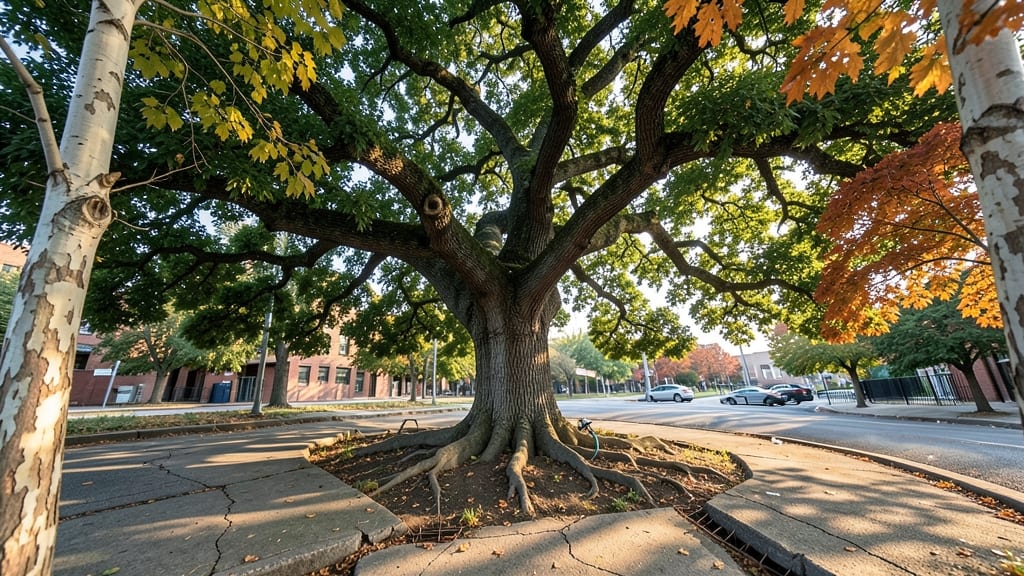
Urban shade trees like oak, maple, or sycamore face a unique challenge: their vast canopies create microclimates that accelerate water evaporation, especially in concrete-heavy cities. Unlike smaller trees, these giants need strategic watering to keep roots hydrated without wasting resources.
For mature shade trees (5+ years old), aim for 30–45 minutes of slow, deep watering using a soaker hose or adjustable nozzle—focus on the drip line, not just the trunk. Water early morning or late evening to minimize evaporation, and apply 2–3 inches of mulch to retain moisture. In extreme heat, split sessions into 15-minute intervals with breaks to avoid runoff.
This method is perfect for city gardeners balancing water conservation with tree health—keeping your canopy thriving without drowning the roots. 💡
Evergreen Trees in Cold Climates
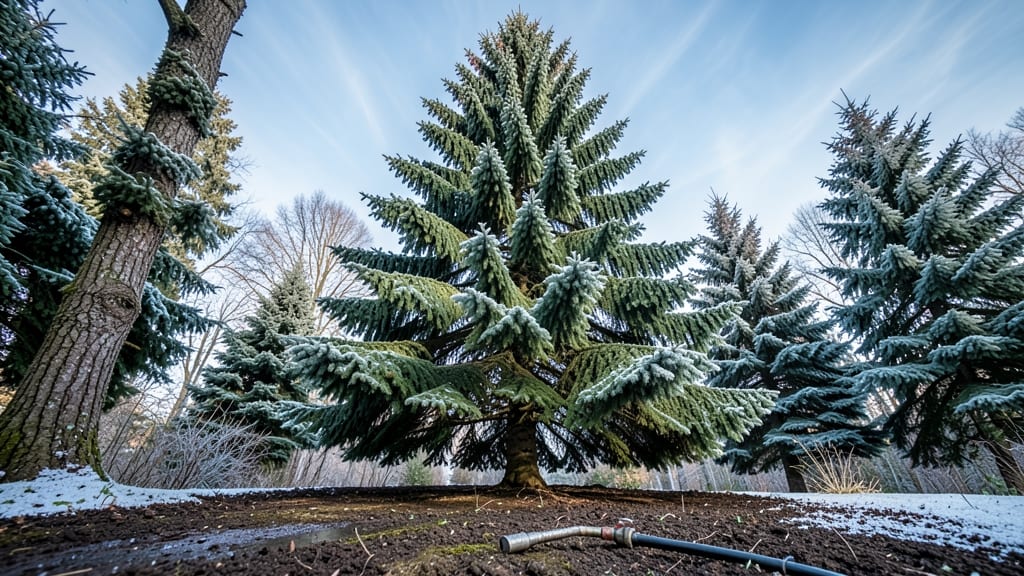
Cold-climate gardeners know evergreens like pine, spruce, and fir are year-round workhorses—but their watering needs shift dramatically with the seasons. Unlike summer thirst, winter dormancy means you’re hydrating for root health, not foliage growth, when frost can lock moisture in the soil.
Focus on deep, infrequent watering during late fall and early spring (15–20 minutes per tree with a hose on a slow setting). Avoid winter watering entirely unless your region experiences prolonged drought—frozen roots can’t absorb excess moisture. Instead, prioritize mulch (4–6 inches) to insulate roots and retain what little moisture exists in frozen ground.
This approach is ideal for gardeners in USDA zones 3–6 who want to protect their evergreens without overworking their water supply. A well-timed soak in spring jumpstarts growth, while winter restraint prevents rot. 🌟
Newly Transplanted Mature Trees
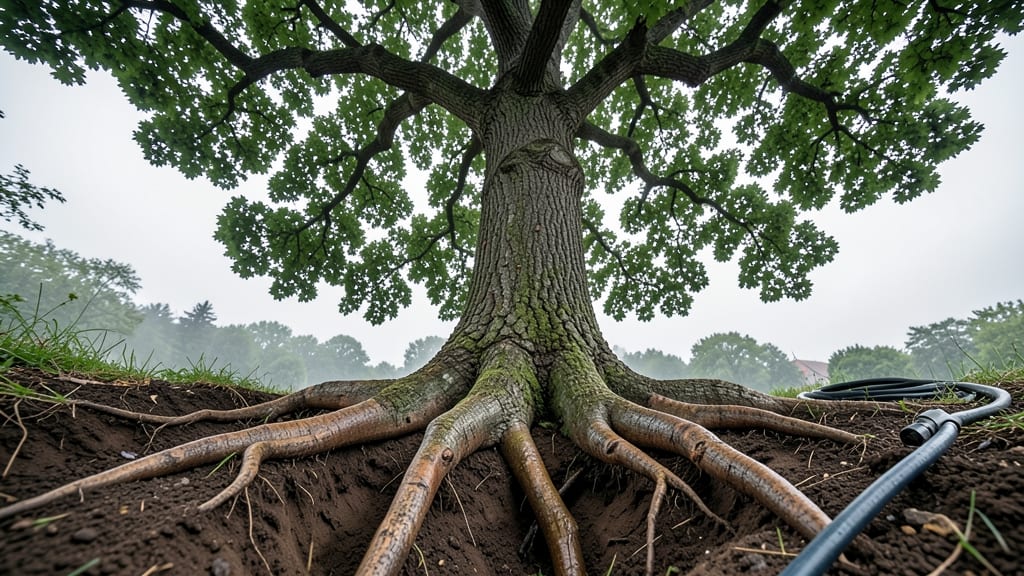
Transplanting a mature tree is like giving it a second chance—but only if you hydrate it correctly. These trees arrive stressed, with disrupted roots needing immediate deep watering to recover. Unlike saplings, they demand a different approach: slow, targeted hydration to avoid shocking their established (but vulnerable) systems.
For the first two weeks, water deeply for 30-45 minutes at the root ball (not just the soil surface) using a hose with a gentle flow. Aim for 1-2 inches of water per session, adjusting based on soil type—sandy soil may need longer, while clay holds moisture better. Apply mulch afterward to lock in hydration and reduce evaporation. This rapid recovery phase is critical for preventing transplant shock.
Gardeners dealing with large, established trees (like oaks or maples) will see the biggest difference here—proper hydration in these early weeks means the difference between a thriving specimen and a struggling survivor. 🌟
Tropical Trees in Humid Climates
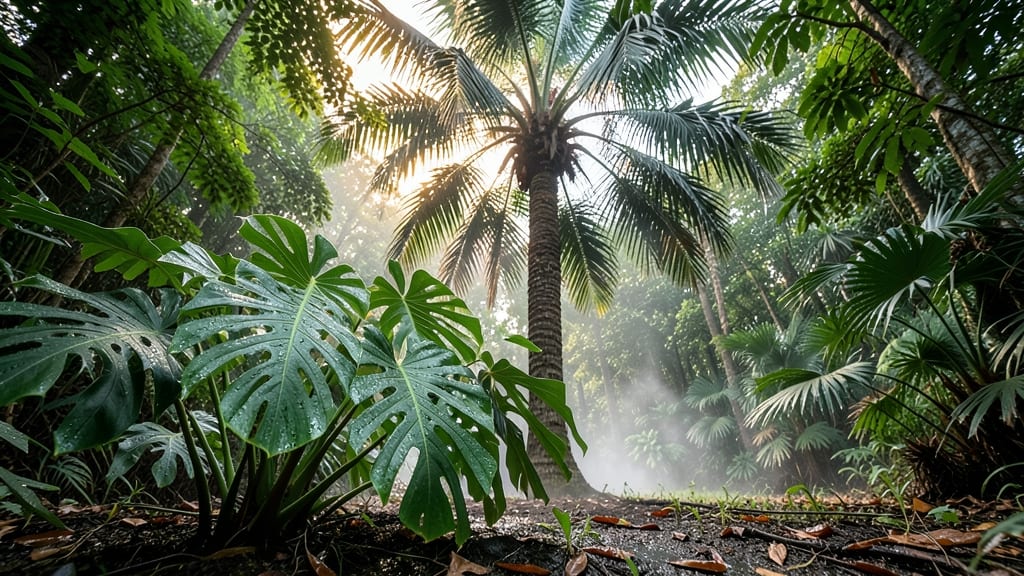
If you live in a humid subtropical or rainforest climate, your tropical trees like monstera or palm don’t need the same deep soaks as desert species. The air and soil already hold moisture longer, so you can cut watering sessions short—often by half—while still keeping roots healthy.
For most tropical trees, 5-10 minutes of hose watering (depending on tree size) is enough to saturate the root zone without drowning it. Focus on the drip line—the outer edge of the tree’s canopy—where roots spread. Use a gentle spray nozzle to avoid compacting soil, and water early in the morning to let excess moisture evaporate before nightfall.
This approach saves time and water while preventing root rot in perpetually damp climates. Gardeners in Florida, Hawaii, or Southeast Asia will love this low-maintenance method for keeping their tropical trees thriving. 🌿
Drought-Resistant Trees During Dry Seasons

If you're struggling with water restrictions or prolonged dry spells, drought-resistant trees like mesquite, desert willow, or palo verde are your secret weapon. These species thrive with minimal watering while maintaining lush foliage—perfect for conserving resources without sacrificing beauty.
For these trees, water deeply but infrequently—focus on soaking the root zone for 30-60 minutes every 2-4 weeks during dry seasons. Apply water slowly at the base (not the leaves) to encourage deep root growth and reduce evaporation. Mulch heavily (3-4 inches) to lock in moisture and protect roots from extreme temperatures.
This approach is ideal for urban gardeners, desert landscapes, or water-conscious homeowners. With the right species, you can create a sustainable, low-maintenance oasis that survives droughts while keeping your garden thriving. 🌻