
How To
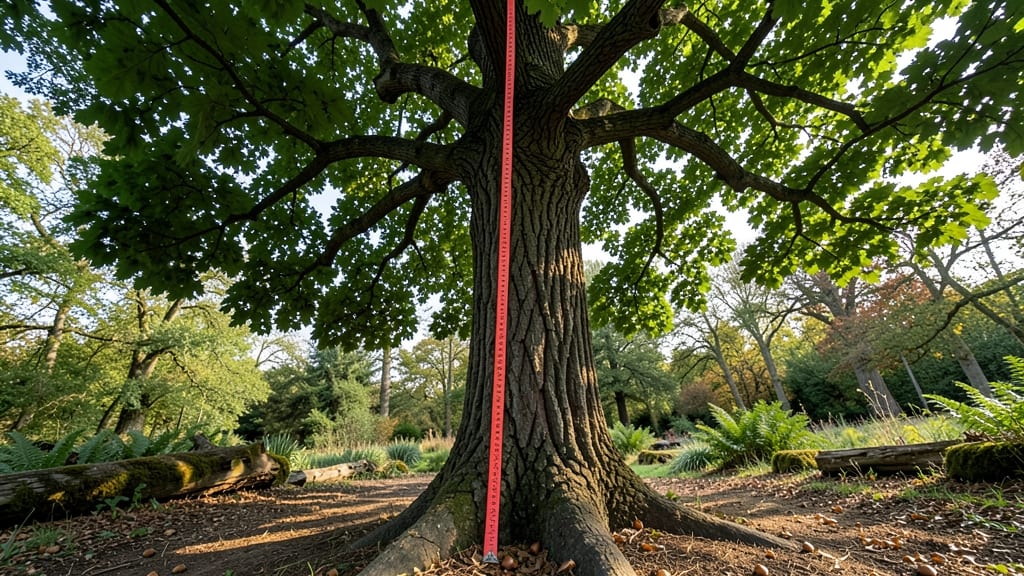
How tall can an oak tree grow? Depending on the species and growing conditions, an oak tree can reach up to 100 feet or more—some varieties even surpassing a 10-story building in height.
If you’ve ever dreamed of planting a backyard oak that one day towers above your house, you’re not alone. These trees aren’t just long-lived—they’re skyward giants, with some species like white oaks reaching legendary heights when given the right care and space.
But not all oaks grow equally tall. Genetics play a huge role—while some varieties like pin oaks hit 60-80 feet, others, such as bur oaks, can stretch toward 100 feet or beyond. The right soil, sunlight, and pruning can also push their potential even higher.
In this guide, I’ll break down the fastest-growing oak species, how to maximize their height, and the best practices for nurturing them in your own yard—whether you’re aiming for a shade canopy or a future forest giant.


Oak tree height by species: from dwarfs to sky-scraping giants
Oak trees are nature’s skyscrapers, with some varieties reaching heights that dwarf even the tallest buildings. Their mature heights vary dramatically between species, from modest 20-foot understory oaks to 100-foot forest giants.
Understanding these differences helps you choose the perfect oak for your space—whether you want a shade provider or a majestic centerpiece.
The height potential of an oak tree is primarily determined by its genetics, but soil quality, sunlight exposure, and climate also play critical roles in shaping its growth trajectory.
For home gardeners, selecting the right species is crucial. A white oak planted in your backyard could eventually tower over your house, while a bur oak might stay compact enough for smaller properties.
Some species, like the pin oak, grow faster and reach impressive heights in just 30-40 years, making them ideal for those seeking quick shade solutions. Meanwhile, slow-growing varieties like the live oak may take centuries to reach their full potential but offer unmatched longevity and resilience.
Genetics set the upper limit for height, but environmental factors can either accelerate or stifle growth. For example, a red oak in a nutrient-rich, well-draining soil with full sun exposure may grow 20-30% taller than the same tree in poor soil or partial shade. Climate also matters—oaks in USDA Zones 5-8 generally thrive, but some species, like the California black oak, are adapted to specific microclimates.
| Species | Mature Height (ft) | Growth Rate | Best Climate Zones | Notes |
|---|---|---|---|---|
| White Oak | 70-100+ ft | Slow to moderate | USDA 4-9 | Long-lived, drought-tolerant, iconic for strength |
| Red Oak | 60-80 ft | Moderate | USDA 3-8 | Faster growth than white oak, brilliant fall colors |
| Pin Oak | 60-80 ft | Fast | USDA 4-8 | Pyramidal shape, great for urban landscapes |
| Bur Oak | 50-75 ft | Moderate | USDA 3-9 | Tolerates poor soil, slow early growth |
| Live Oak | 40-60 ft (can exceed 100 ft) | Very slow | USDA 7-10 | Evergreen, drought-resistant, legendary longevity |
| Scarlet Oak | 50-70 ft | Moderate | USDA 4-8 | Vibrant red foliage, fast early growth |
| California Black Oak | 30-60 ft | Slow | USDA 7-9 | Drought-tolerant, adapted to dry climates |
The white oak is one of the tallest oak species, often surpassing 100 feet in ideal conditions. These trees are the ancient giants of forests, with some specimens living for over 500 years.
If you’re dreaming of a backyard oak that will outlive multiple generations, the white oak is a top choice—but be prepared for its slow growth rate and massive root system, which requires ample space.
For faster results, the pin oak is a fantastic alternative, growing 1-2 feet per year in optimal conditions and reaching its mature height in just 30-40 years.
If you’re in a warmer climate, like the Southeast or Southwest, consider the live oak. While it grows slowly, its evergreen foliage and drought tolerance make it a low-maintenance option for year-round shade. However, its massive horizontal branches can make it tricky to fit into smaller yards.
For urban or suburban settings, the scarlet oak offers a balance—moderate growth, stunning fall colors, and a more compact form than its taller cousins.
Choosing the right oak species for your climate is just as important as selecting the right height. For example, white oaks thrive in cooler northern climates, while live oaks dominate the southern landscapes.
Always check the USDA hardiness zone for your area to ensure the oak you choose will flourish. Additionally, consider the soil type in your yard—oaks prefer well-draining, slightly acidic soil, but some, like the bur oak, are more adaptable to poor or rocky soil.
One common misconception is that all oak trees will grow to their maximum height potential in any location. In reality, environmental stressors like compacted soil, poor drainage, or limited sunlight can stunt growth significantly. For instance, a red oak in a
How to maximize an oak tree’s growth potential: soil, sun, and care tips
Unlocking an oak tree’s full height potential means creating the perfect conditions from day one. These majestic trees can reach 60-100 feet with proper care, but their vertical growth depends heavily on three key factors: soil quality, sunlight exposure, and consistent maintenance.
Unlike fast-growing ornamental trees, oaks mature slowly—typically gaining just 1-2 feet per year—so patience and precision in early care are essential for achieving that towering stature.
Start with the foundation: well-draining, nutrient-rich soil is non-negotiable. Oak roots need room to spread deeply, and compacted or waterlogged soil will stunt growth. Amend heavy clay with compost or sand, and avoid planting in low-lying areas where water pools.
A slightly acidic pH (5.0-7.0) also encourages vigorous root development, which directly supports upward growth. Think of it as giving your tree a strong skeletal structure to reach for the sky.
Sunlight is the next critical lever for height. Oak trees thrive in full sun conditions (6+ hours daily), but not all sunlight is equal. Morning sun provides gentle warmth, while afternoon rays can stress young trees.
If planting in a partially shaded area, choose fast-growing varieties like pin oaks, which tolerate 4-6 hours of sun but still reach 60-80 feet. Position your tree where it can stretch toward the sun’s arc—this encourages vertical growth by up to 20% compared to shaded counterparts.
Watering might seem straightforward, but timing and depth make all the difference. Young oak trees need deep, infrequent waterings to encourage deep root systems. Water once weekly during the first two years, delivering 10-15 gallons per tree to saturate the soil 12-18 inches deep.
Mature oaks, once established, can go 30-45 days without watering, but drought stress will permanently limit their height. Think of watering as an investment in your tree’s "growth bank"—consistent moisture ensures it can reach its genetic potential.
Pruning is often misunderstood when it comes to height. Many gardeners assume aggressive pruning will make a tree grow taller, but the opposite is true. Topping (cutting the top flat) creates weak, stubby branches that reduce height by up to 30% over time.
Instead, focus on structural pruning: remove dead, diseased, or crossing branches in late winter. This maintains an open canopy, allowing sunlight to reach lower branches and encouraging upward growth. Aim to prune no more than 25% of the canopy per year to avoid shocking the tree.
Finally, resist the urge to fertilize mature oaks. These trees are self-sufficient once established, and excess nitrogen can lead to weak wood and reduced height potential. For young trees, apply a light dose of balanced fertilizer in early spring, but skip fertilizing in summer or fall.
The key to maximizing an oak’s height is patience and precision—not shortcuts. With the right soil, sun, and care, your oak could one day rival the ancient giants of the forest.