
How To
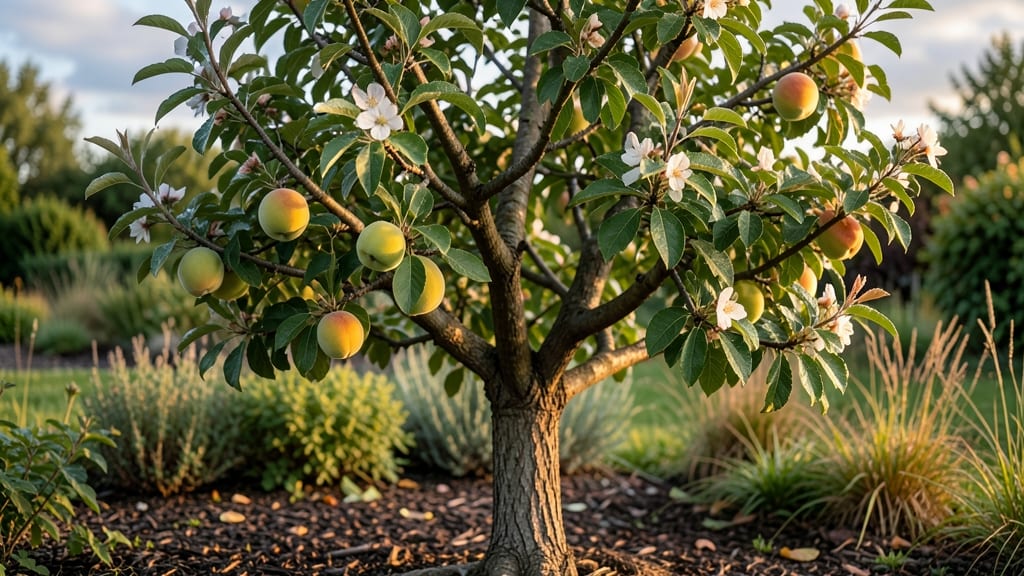
How tall can a peach tree grow? It can range anywhere from 6 feet to over 25 feet, depending on the variety and care you provide. 🍑
Wondering if your backyard can handle a towering peach tree? The height of a peach tree isn’t just about space—it’s also about the right variety, pruning practices, and your local climate. Get the facts before planting to avoid costly mistakes and maximize your harvest potential.
Dwarf varieties like 'Bonanza' stay compact at 8-12 feet, while standard types like 'Elberta' can reach 20-30 feet. If you're in USDA Zone 6a, choosing the right size matters even more—taller trees may struggle with winter winds or limited sunlight.
Below, I’ll break down how to pick the perfect variety for your space, when to prune for optimal growth, and how climate affects height. You’ll leave here with a clear plan to grow a peach tree that fits your yard—and your lifestyle.


Peach tree height by variety: dwarf to standard sizes explained
Choosing the right peach tree variety is the first step to managing its height. Dwarf varieties like 'Bonanza' stay between 6-10 feet, while standard types like 'Elberta' can reach 20-30 feet. Your yard's space and your pruning goals will determine which size works best for you.
The height of your peach tree isn't just about the variety—it's also influenced by rootstock type, pruning habits, and even your local climate. For example, a dwarf peach tree grafted onto a semi-dwarf rootstock may grow taller than expected if given ideal conditions.
Here’s how different peach tree varieties compare in terms of mature height, growth rate, and ideal spacing:
| Variety Type | Mature Height | Growth Rate (Year 1) | Ideal Spacing | Example Varieties |
|---|---|---|---|---|
| Dwarf | 6–10 ft | 2–4 ft | 8–10 ft apart | 'Bonanza', 'Redhaven Dwarf' |
| Semi-Dwarf | 12–16 ft | 4–6 ft | 12–15 ft apart | 'Reliance', 'Contender' |
| Standard | 20–30 ft | 6–10 ft | 20–25 ft apart | 'Elberta', 'Redhaven' |
If you're working with limited space, dwarf peach trees are the best choice. They mature quickly and produce fruit in 2-3 years, making them perfect for containers or small backyards. Just remember to stake young trees to support their rapid growth.
For larger properties, standard peach trees offer bigger harvests but require more space and maintenance. These trees take longer to mature—often 5-7 years—but their height can make them a stunning focal point in your landscape.
One common mistake is planting trees too close together, which can stunt growth and reduce fruit quality. Always follow the ideal spacing guidelines to ensure healthy development. For example, a 12-foot semi-dwarf needs at least 12 feet of space from other trees or structures.
Another factor to consider is the growth rate. Dwarf varieties grow 2-4 feet in their first year, while standard trees can shoot up 6-10 feet under ideal conditions. Plan for this early to avoid overcrowding or shading issues.
If you're unsure which variety to choose, consider your long-term goals. Do you want easy access to fruit or a showcase tree? Dwarf varieties win for convenience, while standard trees offer a classic orchard feel with higher yields.
Finally, remember that even dwarf trees can grow taller with proper care. Regular pruning and fertilization will influence height, so stay consistent with your maintenance routine.
Climate zone limits: how cold hardiness affects peach tree height
Your local USDA hardiness zone plays a crucial role in determining which peach tree varieties will thrive—and how tall they’ll grow. In colder zones like 5-6, shorter, hardier varieties like 'Reliance' (10-15 ft) dominate, while warmer zones 8-9 support towering 'Redhaven' trees (20-30 ft).
Choosing the wrong variety for your climate can lead to stunted growth or winter damage.
Peach trees in zone 7 (the sweet spot for many varieties) often reach 15-25 ft at maturity, but extreme cold snaps can damage branches and reduce height potential. For example, 'Halehaven' (12-15 ft) thrives in zones 5-8, while 'Suncrest' (20-25 ft) prefers zones 6-9.
In extreme cold zones (5 or lower), even hardy varieties may need winter protection like burlap wraps or mulch piles to prevent branch dieback. Prune damaged limbs in late winter to encourage new growth, but avoid heavy pruning—it stresses cold-sensitive trees.
For zone 9+, focus on shade protection during heatwaves to prevent sunburn on fruit.
If you’re in transition zones (6-7), consider semi-dwarf varieties like 'Crimson Snow' (12-16 ft), which balance hardiness and manageable height. These trees also produce fruit earlier, giving you a harvest before extreme summer heat sets in.
Always check the chill hour requirements—most peaches need 300-1,000 hours below 45°F to fruit well.
For urban gardeners with limited space, dwarf peach trees (6-10 ft) like 'Bonanza' work in containers, even in zone 6. Use self-watering pots and drip irrigation to maintain consistent moisture, which is critical for container-grown trees. Just remember: container trees may grow slightly slower due to root restrictions.
Pro tip: Monitor your tree’s growth rate annually. If a standard variety in zone 7 isn’t reaching 10 ft by year 3, it may be struggling with soil quality or pests. Test your soil’s pH (ideal: 6.0-7.0) and amend with compost to support healthy growth.