
How To
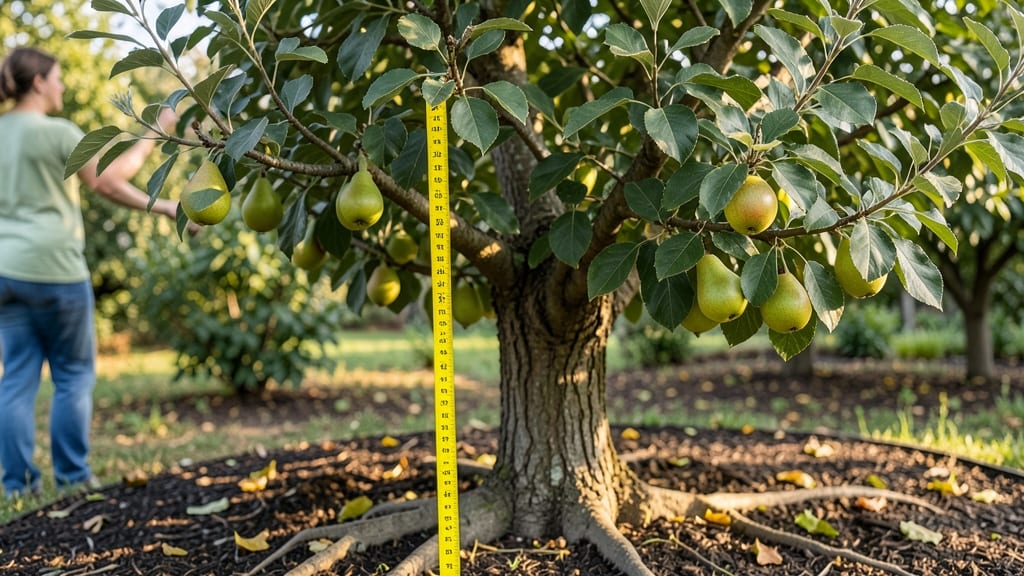
A pear tree can grow how tall can a pear tree grow anywhere from 8 feet to towering heights of 50 feet or more, depending on the variety and growing conditions you choose.
Wondering if your backyard can accommodate a towering pear tree—or if a compact dwarf variety would suit your space better? The height of a pear tree isn’t just about aesthetics; it directly impacts your harvest, maintenance, and even the type of pears you grow.
Standard varieties like Bartlett or Anjou can reach 25 to 50 feet, making them perfect for rural orchards but a poor fit for urban gardens. On the other hand, dwarf varieties stay between 8 and 12 feet, ideal for small yards or even container growing.
In this guide, I’ll break down the height ranges by variety, share pruning tips to control growth, and help you pick the perfect pear tree for your space—whether you’ve got acres or just a patio.


Pear tree height ranges: from dwarf to giant varieties explained
Choosing the right pear tree height starts with understanding your space and long-term goals. Dwarf varieties like 'Hooded' or 'Old Home' stay under 10 feet, perfect for small yards or container growing.
Meanwhile, standard varieties like 'Bartlett' or 'Anjou' can reach 30-50 feet, dominating large orchards. The height you select affects everything from fruit accessibility to pruning effort.
Your pear tree’s mature height depends heavily on its rootstock—the underground part that determines growth vigor. Dwarf rootstocks like Quince C or Old Home x Farmingdale keep trees compact, while semi-dwarf rootstocks like MM106 or MM111 offer a middle ground at 15-20 feet.
Standard rootstocks like Seedling or Northern Spy produce trees that can soar to 40+ feet without intervention.
Here’s how pear tree heights break down by category, including ideal spacing for airflow and sunlight—critical for disease prevention and fruit quality:
| Variety Type | Mature Height | Growth Rate (Annual) | Ideal Spacing | Best For |
|---|---|---|---|---|
| Dwarf | 8–12 ft | 1–2 ft/year | 10–15 ft apart | Containers, small yards, urban gardens |
| Semi-Dwarf | 12–18 ft | 2–3 ft/year | 15–20 ft apart | Backyards, community gardens |
| Standard | 25–50 ft | 3–5 ft/year | 30–50 ft apart | Orchards, rural properties |
| Giant (Uncommon) | 50+ ft | 4–6 ft/year | 50+ ft apart | Specialty orchards, heritage collections |
If you’re planting multiple pear trees, spacing is non-negotiable—crowding leads to fungal diseases like fire blight and poor fruit development. For example, dwarf varieties need only 10–15 feet between trees, while standard varieties require 30–50 feet to thrive.
Always plant trees facing south in the Northern Hemisphere to maximize sunlight exposure.
Pruning plays a huge role in managing height. Dwarf trees benefit from open-center pruning to encourage outward growth, while standard trees often need central leader pruning to maintain a single trunk. I recommend pruning in late winter (before buds swell) to shape the tree and remove dead wood.
For giant varieties, consider professional pruning—these trees can grow 4–6 feet per year and require heavy-duty tools.
Climate also influences height. In warmer zones (USDA 8–10), pear trees grow faster and may reach mature height sooner. In cooler zones (USDA 4–6), growth slows, and trees may take 5–10 years longer to reach their full potential.
Always check your variety’s chill hour requirements—some pears need 300–800 hours below 45°F to fruit properly.
For container growing, stick to dwarf or semi-dwarf varieties in 20–30 gallon pots. Use a fast-draining mix of 50% potting soil, 30% compost, and 20% perlite. Container trees need more frequent watering and monthly fertilizer during the growing season.
Pro tip: Move containers to a sunny patio in summer and sheltered spot in winter to protect roots.
Remember, height isn’t everything. Some semi-dwarf varieties like 'Moonglow' produce sweeter pears than taller counterparts, while dwarf 'Seckel' pears are perfect for snacking straight off the tree.
Match your variety to your harvest goals, not just your yard size. For example, if you want easy-to-pick pears, a 10-foot dwarf is ideal—no ladder required!
🌳
How to choose the right pear tree height for your space
Selecting the right pear tree height is one of the first—and most important—decisions you’ll make as a gardener. Your choice affects everything from harvest accessibility to pruning ease and even the pear varieties you can grow.
Whether you’re working with a small urban yard, a rural orchard, or a container garden, matching the tree’s mature size to your space ensures success and satisfaction.
I’ve learned through experience that dwarf varieties (like Bartlett or Seckel) are perfect for tight spaces, while standard trees (such as Angeleno) thrive in open areas. But how do you decide? Let’s break it down by your unique growing conditions and goals.
Key Factors for Choosing Pear Tree Height
- 📏 Garden Size: Measure your space—dwarf trees (8-12 ft) fit patios, while standard trees (25-50 ft) need orchard space.
- 🌳 Climate Zone: Warmer zones (USDA 8+) can grow faster-maturing varieties like Hood pears, while colder zones benefit from hardy semi-dwarfs like Moonglow.
- 🍐 Intended Use: Container growing? Choose dwarf rootstock (e.g., Old Home x Farmingdale). Orchard? Opt for standard trees spaced 30+ ft apart.
- ✂️ Pruning Commitment: Taller trees require annual pruning for shape and fruit access, while dwarfs need minimal upkeep.
- 🕒 Time to Fruit: Dwarf trees bear fruit in 3-5 years, while standard trees take 7-10 years—plan accordingly!
For urban gardeners, I recommend starting with a semi-dwarf pear tree (12-18 ft tall) like Kieffer. These strike a balance between manageable height and high fruit production. Place it near a south-facing wall to maximize sunlight and warmth, which is crucial for pear ripening.
If you’re growing in containers, prioritize dwarf rootstock grafted with Bartlett or Anjou pears. Use a 24-inch pot with drainage holes and repot every 2-3 years to accommodate root growth. Remember: container trees need regular pruning to control height and encourage bushier growth.
For orchard settings, standard pear trees are ideal but require proper spacing. Plant trees 30-40 feet apart to ensure airflow and sunlight penetration, which reduces disease risk. Consider pollination pairs—some pear varieties are self-fruitful, but others need a second tree for cross-pollination.
No matter your space, pruning is key to managing height naturally. In late winter or early spring, remove suckers (shoots from the base) and water sprouts (vertical growth).
For dwarf trees, prune to open the center for sunlight, while standard trees benefit from crown thinning to reduce weight and improve fruit quality.
My final tip? Visit a local nursery and see pear trees in person—feel their height, observe their shape, and ask about rootstock options. Many nurseries offer grafted trees on dwarfing rootstock, which gives you the best of both worlds: compact size with high-quality fruit.
With the right height, your pear tree will thrive for decades—and so will your harvests! 🍐