
How To
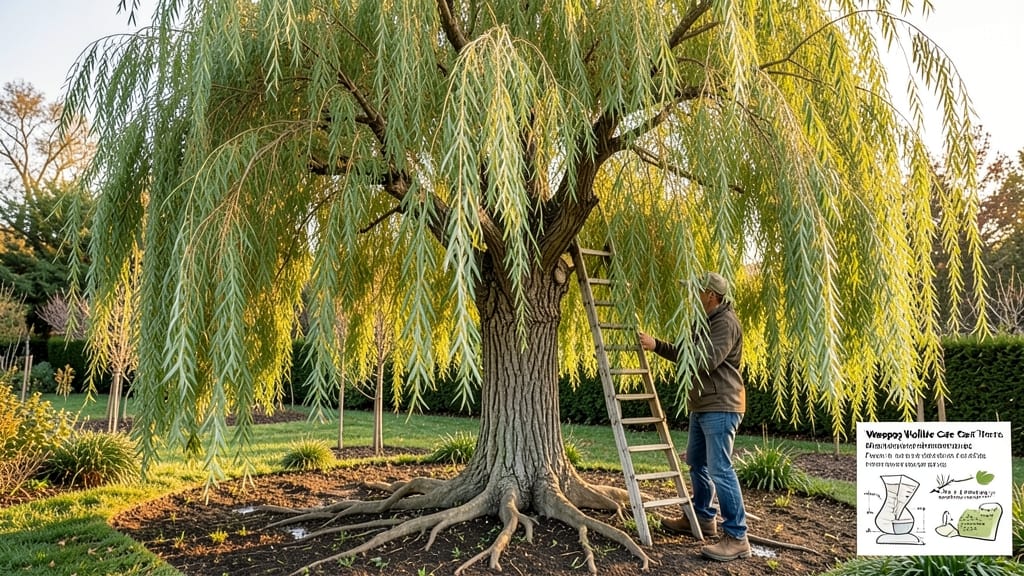
A willow tree can grow up to 50 feet tall—or even higher, depending on the variety and growing conditions—making it a dramatic choice for privacy or natural beauty.
If you’ve ever dreamed of a towering natural privacy screen or a dramatic landscape feature, willow trees might just be your answer—but did you know some varieties can grow taller than a six-story building? 🌳
The right soil, moisture, and climate can turn a modest sapling into a sky-reaching giant, while others stay compact. Whether you want a weeping willow’s graceful arch or a sturdy pussy willow for small spaces, understanding their growth potential is key.
Below, I break down the tallest varieties, how to control their height, and the best conditions to help them thrive—or keep them in check.


Willow tree height by variety: from dwarf to sky-high giants
Willow trees are nature’s skyscrapers, with some varieties reaching heights that rival city buildings. The weeping willow (Salix babylonica) can tower over 50 feet tall, while others like the pussy willow (Salix discolor) remain compact.
Your choice of variety determines whether you’ll need a backyard skyscraper or a privacy hedge. Let’s explore the dramatic range of willow tree heights and what influences their growth.
Not all willows grow to the same height—some stay under 10 feet, while others stretch toward the sky.
The goat willow (Salix caprea) stays modest at 15-25 feet, perfect for small gardens, while the crack willow (Salix fragilis) can reach 60 feet or more in ideal conditions. Understanding these differences helps you plan your landscape with confidence.
Here’s how willow varieties stack up in height, from dwarf to giant:
| Variety | Max Height | Growth Rate | Best For |
|---|---|---|---|
| Weeping Willow (Salix babylonica) | 50–75 ft | Fast (3–6 ft/year) | Privacy screens, ponds |
| Pussy Willow (Salix discolor) | 10–15 ft | Moderate (1–2 ft/year) | Small gardens, ornamental |
| Crack Willow (Salix fragilis) | 60–80 ft | Very fast (4–8 ft/year) | Large landscapes, wetlands |
| Goat Willow (Salix caprea) | 15–25 ft | Moderate (1–3 ft/year) | Hedges, wildlife habitats |
| Dwarf Willow (Salix repens) | 3–6 ft | Slow (6–12 in/year) | Rock gardens, bonsai |
| Purple Osier (Salix purpurea) | 15–20 ft | Moderate (2–4 ft/year) | Ornamental, wildlife |
The weeping willow (Salix babylonica) is the undisputed champion of height, often exceeding 50 feet with its iconic drooping branches. This variety thrives near water and grows 3–6 feet per year, making it ideal for rapid privacy solutions.
However, its aggressive root system means it’s best planted far from foundations or septic systems.
For smaller spaces, the dwarf willow (Salix repens) stays under 6 feet tall, perfect for rock gardens or bonsai projects. Its slow growth (6–12 inches per year) makes it low-maintenance and adaptable to containers.
If you love the look of willows but lack space, this variety delivers drama without the commitment.
Climate plays a huge role in willow tree height. In USDA zones 5–9, willows grow fastest with abundant moisture and full sun. The crack willow (Salix fragilis), for example, can reach 80 feet in wet, fertile soils but may stay shorter in drier regions.
Always check your local climate before planting a towering variety.
Pruning also affects height. Regular pruning can reduce willow growth by 30–50%, keeping it manageable. For instance, a weeping willow pruned annually might max out at 30–40 feet instead of 75 feet. This is key for urban gardens where space is limited but you still want that willow aesthetic.
If you’re planting willows for wildlife, taller varieties like the crack willow provide nesting sites for birds, while dwarf willows offer shelter for small creatures.
The goat willow (Salix caprea), with its 15–25 feet height, strikes a balance—ideal for hedges or mixed borders where you want both beauty and function.
Willow trees are versatile, but their height varies wildly. Choose based on your space, climate, and goals: a sky-high weeping willow for drama, a compact dwarf willow for containers, or a moderate-height goat willow for hedges.
With the right variety, you can turn any outdoor space into a willow wonderland—just be prepared for some varieties to reach for the clouds!
Soil and climate conditions that skyrocket willow tree growth
Willow trees thrive in conditions that mimic their natural wetland habitats, and when you get the soil and climate right, you’ll unlock their rapid growth potential. These trees can shoot up 5-10 feet per year under ideal circumstances, making them one of the fastest-growing hardwood species.
The key lies in understanding their preferences—moisture-loving roots, nutrient-rich soil, and the right balance of sunlight and temperature.
In regions with humid climates and abundant rainfall, like the Pacific Northwest or the Mississippi Delta, willows can reach 50-100 feet tall with minimal effort. However, even in drier areas, you can coax impressive growth by replicating these conditions.
Let’s break down the critical factors that turn a modest sapling into a towering giant.
🌳 Willow Tree Growth Secrets
- Max Height: 50-100 ft (some species)
- Growth Rate: 5-10 ft/year in ideal conditions
- Soil: Moist, well-draining, slightly acidic (pH 6.0-7.0)
- Climate: Full sun, high humidity, 40-80°F
- Water: Deep weekly soaks (avoid waterlogging)
💡 Pro Tip: Plant near water sources or in low-lying areas to maximize natural moisture.
Willows prefer moist but well-draining soil, which might sound contradictory, but it’s all about balance. Heavy clay soils can suffocate roots, while sandy soils drain too quickly. Amend your soil with compost or peat moss to retain moisture without causing root rot.
If your garden has poor drainage, consider planting in a raised bed or along a pond’s edge—willows will reward you with explosive vertical growth.
When it comes to climate, willows adore full sun exposure (6-8 hours daily) and humid environments. Coastal areas or regions with frequent mist and fog are ideal, but even inland gardens can succeed with consistent watering.
Avoid planting in arid climates or areas with harsh winters, as extreme cold can stunt growth or damage young trees. In USDA Zones 5-9, willows flourish with minimal stress.
One common mistake gardeners make is assuming willows can thrive in dry conditions. While they’re drought-tolerant once established, young trees wilt quickly without adequate moisture. Mulch heavily around the base to lock in humidity and protect roots from temperature swings.
If you’re in a dry region, consider installing a drip irrigation system to keep soil consistently damp.
For rapid vertical growth, focus on these three pillars: moisture-rich soil, full sun, and seasonal pruning to redirect energy upward. With the right conditions, your willow could outpace even the most ambitious oak tree—just give it the love it craves! 🌿