
How To
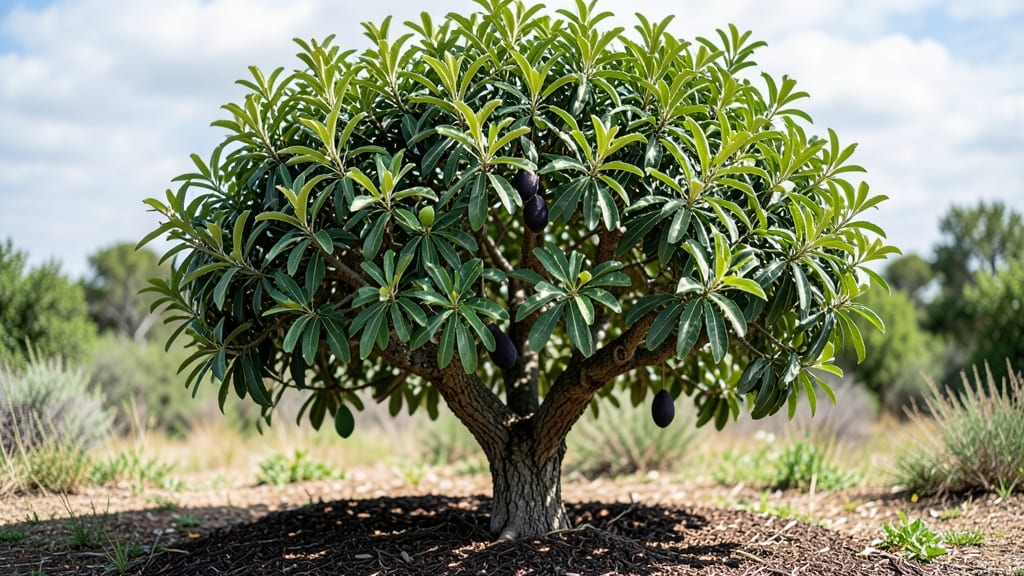
A Hass avocado tree 🥑 can grow anywhere from 20 to 50 feet tall—sometimes even taller—if left unchecked, which might leave you wondering if your backyard can handle it.
Picture this: a 60-foot tree towering over your patio, its branches scraping your roof, while you’re left wondering why you ever planted it. The good news? With the right pruning and rootstock choices, you can keep it at a manageable 10 to 15 feet—perfect for containers or small yards.
In this guide, I’ll break down how pruning, grafting, and growing conditions shape its height, so you can choose the size that fits your space—and your avocado dreams.
Whether you’re eyeing a dwarf variety or planning to trim a standard tree, you’ll learn the secrets to controlling its growth without sacrificing fruit production.


Natural height of a Hass avocado tree without pruning: what to expect
A Hass avocado tree left completely unpruned can reach staggering heights, often between 20 to 50 feet at maturity. Without human intervention, these trees grow tall and wide, developing a dense canopy that provides ample shade.
Their natural growth habit is influenced by genetics, climate, and soil conditions—meaning your tree’s final height could vary significantly based on where you live.
The standard Hass avocado tree typically grows between 30 to 40 feet when allowed to grow freely. However, some trees, especially those grown from seed, can surpass 50 feet in ideal conditions. These giants resemble large oak trees in structure, with thick trunks and sprawling branches that require ample space.
🌳 Hass Avocado Tree Height Summary
| Variety | Mature Height (ft) | Growth Rate (ft/year) | Time to Maturity |
|---|---|---|---|
| Standard (Seed-Grown) | 20–50 ft | 1–3 ft | 5–10 years |
| Dwarf (Grafted) | 10–15 ft | 0.5–1.5 ft | 3–5 years |
| Semi-Dwarf (Grafted) | 15–20 ft | 1–2 ft | 4–6 years |
| Giant (Rare) | 50–80 ft | 2–4 ft | 8–12 years |
Note: Growth rates vary by climate, soil quality, and water availability. Pruning can significantly reduce height.
In tropical and subtropical climates, like those found in California, Florida, or Hawaii, Hass avocado trees thrive and grow faster due to warm temperatures and long growing seasons.
These ideal conditions allow the tree to reach its maximum height potential more quickly, often adding 1 to 3 feet per year during its prime growth years.
Conversely, in cooler microclimates or areas with shorter growing seasons, like parts of USDA Zone 9, growth may slow significantly. Trees in these regions might take 10 years or longer to reach maturity, often staying shorter unless provided with optimal care and protection from frost.
Soil type plays a critical role in determining how tall your Hass avocado tree will grow. Well-draining, sandy loam soil with a slightly acidic pH (6.0–7.0) promotes faster growth and stronger root development.
Poor soil conditions, such as clay-heavy or waterlogged soil, can stunt growth and lead to shorter, weaker trees that struggle to reach their full height potential.
If you’re growing a Hass avocado tree in a container, its height will naturally be limited by root restriction. Container-grown trees typically max out around 10 to 15 feet unless transplanted into the ground later.
This makes them a popular choice for urban gardeners or those with limited space, though they may require regular pruning to maintain shape and size.
One key factor often overlooked is the tree’s rootstock. Hass avocado trees grown from seed (also called seedling trees) tend to grow much taller than those grafted onto dwarfing rootstock.
Dwarf varieties, like those grafted onto Mexican or West Indian rootstock, can stay as short as 10 to 15 feet, making them ideal for backyard orchards or small properties.
For those considering a Hass avocado tree, it’s essential to plan for its future size early. If you’re in a small urban yard, a dwarf variety might be your best bet.
However, if you have ample space and want the classic Hass experience, embracing the tree’s natural height could lead to a stunning, shade-providing giant in your landscape.
Remember, even unpruned trees can be managed with strategic pruning to control height while still enjoying abundant fruit production. The key is understanding your tree’s growth habits and adapting your care routine accordingly.
How to grow a dwarf Hass avocado tree: pruning and grafting techniques
Growing a dwarf Hass avocado tree lets you enjoy homegrown fruit without sacrificing yard space. The key lies in two techniques: pruning and grafting onto dwarf rootstock.
These methods can reduce a tree’s height from 50 feet to just 10-15 feet, making it perfect for containers or small gardens. Let’s explore how to control its size while keeping fruit production strong.
Pruning is your first tool for managing height. By removing vertical growth and shaping the tree, you encourage a bushier, more compact form. Timing matters—prune in late winter or early spring before new growth begins.
This ensures your cuts heal properly and the tree focuses energy on fruit production rather than vertical expansion. For best results, aim to keep the tree’s height at 6-8 feet if you’re growing in containers.
Grafting onto dwarf rootstock is the most effective way to permanently control size. Nurseries sell Hass scions grafted onto dwarf rootstocks, which naturally stay small. The rootstock’s genetics limit height, while the Hass scion ensures you get the flavor and fruit quality you love.
This method is ideal for container growing or urban gardens where space is limited.
Step-by-Step Guide to Pruning and Grafting
- Step 1: Choose a dwarf rootstock (e.g., Mexican or West Indian dwarf) for grafting.
- Step 2: Prune vertical shoots to encourage outward growth, using clean, sharp pruning shears.
- Step 3: Graft a Hass scion onto the dwarf rootstock in late winter for spring growth.
- Step 4: Train branches with support ties to maintain a balanced shape.
- Step 5: Thin fruit clusters to 3-4 per branch to avoid overloading the tree.
Container gardening is another great option for dwarf Hass trees. Use a large pot (15+ gallons) with drainage holes and fill it with well-draining cactus/succulent mix. Place the container in full sun and water deeply when the top inch of soil dries out.
Dwarf varieties thrive in containers and can produce fruit for 10+ years with proper care.
Remember, consistent pruning and grafting are ongoing tasks. Monitor your tree’s growth and adjust pruning as needed. With patience, your dwarf Hass avocado tree will reward you with delicious fruit while staying perfectly sized for your space. Happy growing!