
How To
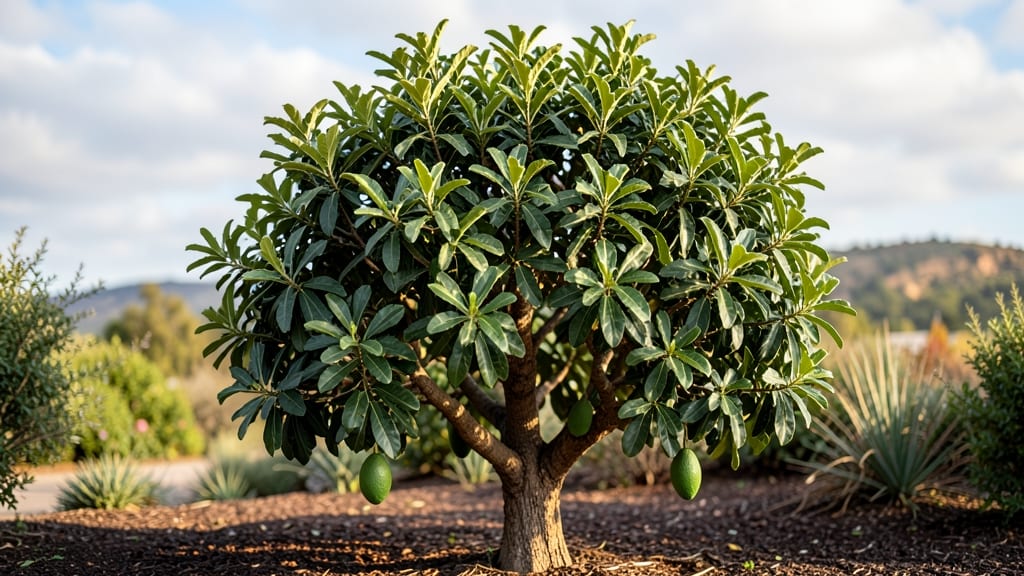
An avocado tree can grow anywhere from 20 to 80 feet tall, depending on where you plant it and how you care for it—so yes, that kitchen countertop experiment might soon need a backyard.
Wondering if your avocado tree will soon outgrow your living room—or your backyard? The height of an avocado tree depends on where you grow it, but the surprises don’t end there.
Outdoor trees in warm climates like Zone 9b can reach towering heights of 60-80 feet, while container-grown trees stay between 6-10 feet with proper pruning. Even dwarf varieties top out at 10-15 feet, making them a smarter choice for small spaces.
In this guide, I’ll break down how to control your avocado tree’s growth—whether you’re dreaming of a backyard giant or just want to keep it as a compact houseplant.


Maximum height of avocado trees: outdoor growth limits explained
If you're dreaming of harvesting your own avocado fruit from a backyard tree, you might be surprised by how tall these tropical giants can grow. Outdoor avocado trees (Persea americana) can reach 60 to 80 feet in ideal conditions—taller than most two-story homes!
But their final height depends on variety, climate, and how you care for them. Let’s break down the numbers and what influences them.
The three main avocado categories—Mexican, West Indian, and Guatemalan—each have distinct growth patterns. Mexican types, like ‘Fuerte’, tend to stay shorter (20–30 ft) unless left unpruned, while Guatemalan varieties, such as ‘Hass’, can shoot up to 80 feet in warm, frost-free zones.
West Indian avocados, like ‘Lamb Hass’, often fall in the middle (30–50 ft).
Here’s a quick look at how these varieties compare in height under ideal outdoor conditions:
Your local climate plays a huge role in how tall your avocado tree grows. In frost-free zones like Southern California or Florida, trees thrive and can reach their full height potential.
But in cooler climates like Zone 8 or 9, growth slows significantly, often capping mature heights at 20–30 feet unless you use frost protection. For example, a ‘Hass’ avocado in Los Angeles might hit 60 feet, while the same tree in Tucson (higher elevation) may stay under 40 feet.
Pruning is your best tool to control height. Regular structural pruning in early spring can keep a Guatemalan variety like ‘Hass’ under 25 feet, while minimal pruning lets it grow wild.
I once pruned a 15-foot ‘Fuerte’ back to 10 feet by removing water sprouts and shaping the canopy—it stayed compact for years. Just avoid heavy pruning in winter, as avocado trees are sensitive to cold stress.
Soil quality also affects height. Avocados crave well-draining soil with a slightly acidic pH (6.0–7.0). In heavy clay soils, roots struggle, stunting growth. Amend your soil with compost and sand to improve drainage.
I’ve seen avocados in Southern Florida’s sandy soil grow twice as fast as those in Texas clay—the difference was night and day. Mulching with wood chips also helps retain moisture and encourages deeper root growth, which supports taller, healthier trees.
Watering habits matter too. Young avocado trees need deep, infrequent watering to establish strong roots. Overwatering can lead to root rot, which weakens the tree and limits its height potential.
In my own backyard, I water my 5-year-old ‘Bacon’ avocado deeply twice a week during summer, and it’s now 12 feet tall with no signs of stunting. Mature trees in the ground need even less frequent watering—once every 10–14 days in most climates.
Don’t forget about wind exposure. Avocado trees in exposed areas grow taller and leaner to reach sunlight, while those in sheltered spots develop broader canopies. If you’re growing near the coast, like in San Diego, expect your tree to stretch upward to escape salt spray.
Inland trees, however, often grow bushier. I once saw a 20-foot ‘Hass’ in Santa Barbara bend dramatically from coastal winds—it looked like it was doing a slow-motion dance!
For those in cooler climates (Zones 7–8), consider dwarf varieties like ‘Wurtz’, which max out at 10–15 feet. These are perfect for smaller yards or containers. Even standard varieties can be kept manageable with annual pruning and regular fertilizing.
Just remember: the key to controlling height is consistent care, not forcing the tree into a shape it doesn’t like. With the right balance of sun, water, and pruning, you can enjoy a fruit-bearing avocado tree without it turning into a jungle giant.
🌳
Indoor avocado tree height: how small can you keep it?
Growing an avocado tree indoors is rewarding, but controlling its height requires strategy. Without intervention, your indoor avocado tree can reach 6-10 feet in just a few years—far taller than most living rooms can handle.
The key to keeping it compact lies in pruning techniques, pot size, and understanding its natural growth patterns.
Avocado trees grow fastest during spring and summer, with new shoots elongating rapidly. If you ignore height control, your tree may develop a lanky, unbalanced shape with weak branches.
The good news? With proper care, you can maintain a 3-5 foot tree that thrives indoors for years without stunting its health.
⚠️ Mistake Alert: Over-Pot Size = Overgrowth
Using a pot 2+ sizes larger than your tree's current root ball encourages rapid height growth. Avocados respond to root restriction by focusing energy upward. Stick to 10-12 inch pots for trees under 3 feet, and upgrade only when roots circle the pot.
Start with pruning in early spring before new growth begins. Use clean, sharp pruners to trim back 1/3 of the tallest branches just above a leaf node.
This encourages bushier growth while keeping the tree's center of gravity low. Avoid cutting into old wood, as avocado trees struggle to regrow from mature branches.
Light exposure dramatically affects height. Place your tree near a south-facing window for 6+ hours of sunlight daily. Insufficient light causes leggy growth as the tree stretches toward any available light source. Rotate your pot quarter-turns weekly to ensure even growth and prevent one-sided stretching.
Fertilizing plays a crucial role too. Use a balanced citrus/avocado fertilizer (6-6-6 NPK) every 6-8 weeks during growing season. Too much nitrogen creates soft, fast-growing shoots that flop under their own weight. Reduce feeding in fall and winter to slow growth during dormancy.
For maximum control, consider topping your tree—cutting the main stem back by 1/2 to 2/3 when it reaches your desired height. This dramatic pruning stimulates multiple side branches to form, creating a fuller, more manageable shape. Just be prepared for 2-3 weeks of leaf drop as the tree recovers.
Remember: Patience is key. Avocado trees respond best to gradual pruning over time. With consistent care, your indoor avocado tree can remain a conversation piece rather than a ceiling hazard for years to come. 🪴