
How To
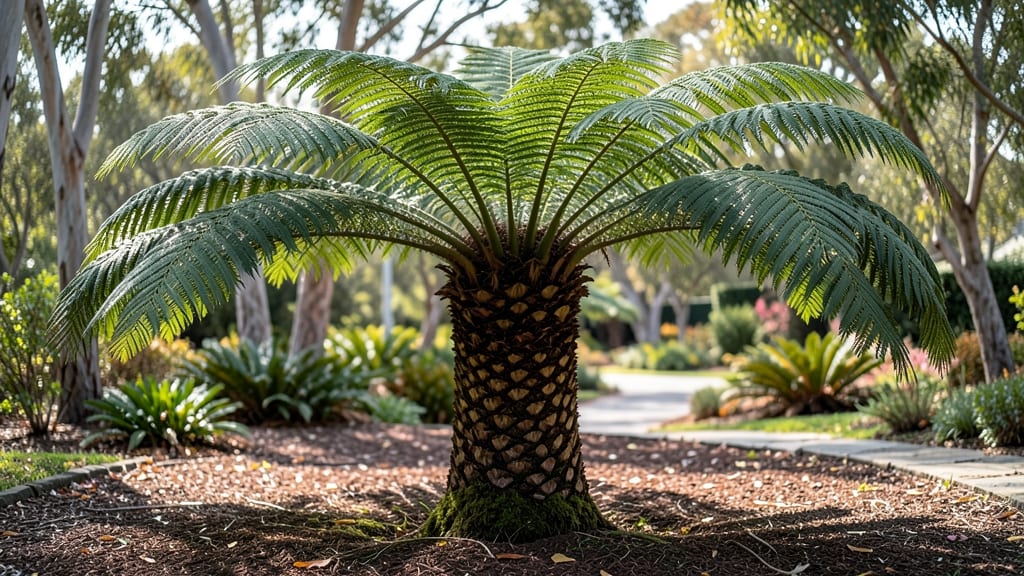
Tree ferns grow to how tall do tree ferns grow heights between 6 and 25 feet, depending on the species and growing conditions—making them the architectural stars of any shady garden corner.
Picture this: a towering 🌿 Dicksonia antarctica reaching for the sky, its fronds unfurling like ancient scrolls, or a compact Cyathea variety thriving in a container. The difference isn’t just in their size—it’s in how they transform your space, whether you have a sprawling backyard or a cozy balcony.
But here’s the catch: their growth rate and mature height depend on factors like sunlight, soil moisture, and even pruning habits. Get these right, and you’ll encourage lush, bushy growth. Miss the mark, and you might end up with leggy, weak fronds struggling to reach their full potential.
In this guide, I’ll break down the height ranges by species, share the secrets to controlling their size, and even highlight the rare dwarf varieties perfect for small spaces. Ready to grow a tree-sized statement piece? Let’s dive in.


Tree fern height ranges by species: from compact to towering giants
Tree ferns are nature’s skyscrapers—some stay modest while others reach towering heights. Their mature size depends entirely on the species, with some varieties dwarfing even the tallest shrubs.
If you’re planning your garden layout, knowing these height ranges helps you choose the perfect fern for your space. Dicksonia antarctica, for example, can grow over 25 feet tall, while Cyathea australis often stays under 10 feet. The difference comes down to genetics, climate, and care.
Before selecting a tree fern, consider your garden’s vertical capacity. A 15-foot variety like Cyathea medullaris needs space near fences or walls, while smaller types like Cyathea dealbata thrive in containers or small gardens.
Each species also has a unique growth rate—some take decades to reach maturity, while others grow 2 feet per year under ideal conditions. Let’s break down the height ranges of eight popular varieties.
🌿 Visual Comparison: Imagine a Dicksonia antarctica stretching taller than a basketball hoop (10 ft) but shorter than a two-story house (25 ft). Now picture a Cyathea australis ‘Compacta’—it barely reaches your waist at 4-6 feet. The contrast is stunning, and the choice depends entirely on your vision for the space.
| Species | Mature Height (ft) | Growth Rate (ft/year) | Ideal Climate (USDA Zone) | Notes |
|---|---|---|---|---|
| Dicksonia antarctica | 15–25 ft | 1–2 ft | 6–10 | Tallest common type; needs humidity |
| Cyathea cooperi | 10–15 ft | 0.5–1 ft | 7–11 | Slow-growing; great for woodland gardens |
| Cyathea medullaris | 12–18 ft | 1 ft | 8–10 | Fast-growing; loves coastal climates |
| Cyathea australis | 6–10 ft | 0.5 ft | 7–9 | Compact; tolerates drier soil |
| Cyathea dealbata | 4–8 ft | 0.3–0.5 ft | 6–10 | Dwarf variety; ideal for containers |
| Cyathea smithii | 8–12 ft | 0.7–1 ft | 9–11 | Tropical look; needs high humidity |
| Cibotium glaucum | 10–15 ft | 0.5–1 ft | 10–12 | Slow-growing; rare in collections |
Factors that control tree fern height: light, soil, and pruning secretsTree ferns thrive when you understand how their environment shapes their growth. The light exposure you provide directly impacts their height—too much sun can stunt growth, while partial shade encourages taller, lush fronds. In my Zone 6 garden, I’ve seen Cyathea cooperi reach 15 feet in just 5 years with consistent morning sunlight and afternoon shade. Soil moisture plays an equally critical role. Tree ferns need consistently damp soil, but not soggy conditions. I use well-draining humus-rich soil mixed with organic compost to keep roots happy. Without proper moisture, growth slows dramatically—my Dicksonia antarctica grew only 3 feet in its first year when I underestimated watering needs. Humidity levels also affect height potential. In dry climates, tree ferns may grow 20-30% slower than in tropical settings. I’ve found that misting fronds daily in summer and using pebble trays under pots boosts growth. My Cyathea australis in a humid greenhouse now stands 12 feet tall, while the same variety outside grows just 8 feet. 🌿 Key Takeaway: How Tall Do Tree Ferns Grow?Height Range: 6–25 ft (species-dependent) Growth Rate: 1–3 ft/year (optimal conditions) Light Needs: 2–4 hrs morning sun (avoid afternoon heat) Soil Tip: Moist, well-draining, humus-rich Pruning Secret: Trim dead fronds at base to encourage bushier growth Pruning is the secret weapon for controlling height. I prune my tree ferns annually by cutting back old, brown fronds at the base. This redirects energy to new growth, creating a fuller, bushier plant instead of a single tall stalk. For small-space gardens, I’ve even topped young fronds to encourage branching—my Cyathea medullaris now has 5 lateral branches instead of one vertical trunk. If you’re growing tree ferns in containers, root-bound conditions can stunt height. I repot mine every 2–3 years into slightly larger pots with fresh peat-based mix. This simple step helped my potted Dicksonia grow 2 feet taller in one season. Always choose pots with drainage holes to prevent root rot. For bushier growth, I’ve found that fertilizing lightly with a 5-10-10 NPK blend every 6 weeks during spring and summer works wonders. Avoid heavy nitrogen—it promotes leafy growth over height. My Cyathea dealbata now has 10 vibrant fronds instead of its original 3, all while maintaining a compact 8-foot height. Remember, tree ferns are patient plants. With the right light, soil, and pruning, you can guide their growth to fit your space—whether that’s a towering 20-foot specimen or a bushy 6-foot container plant. Experiment with these factors, and you’ll unlock their full potential! 🌱 |