
How To
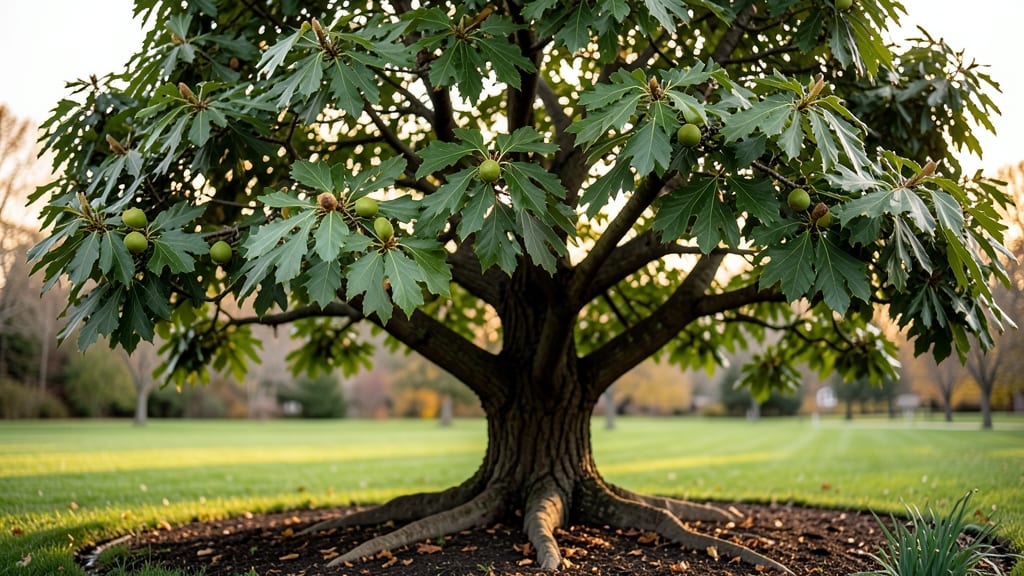
A black walnut tree can grow to 75 feet tall—taller than a four-story building—when given the right conditions, but its height depends on sunlight, soil, and how much you prune it.
If you're considering planting a black walnut tree 🌳, understanding its growth potential is key—this majestic tree can reach towering heights, but its skyward journey depends on sunlight, soil, and patience.
In the first decade, expect 10–20 feet of growth, but mature trees in ideal conditions can top 40 feet by year 20. Without proper care, though, they may stay shorter or grow unevenly.
Here’s how sunlight, spacing, and pruning shape its height—and whether this tree is right for your yard or urban space.


Black walnut tree height by decade: growth timeline and mature size
Planting a black walnut tree (Juglans nigra) is a long-term investment—these trees grow slow to moderate but eventually reach monumental heights. Understanding their decade-by-decade growth helps you plan spacing, sunlight needs, and landscape design.
Below, I’ll break down how tall they grow each decade, plus the factors that can speed up or slow down their ascent to the sky.
The first 5 years are all about establishing roots. Your sapling will grow 2–4 feet tall in ideal conditions, with most growth happening in the first 2–3 years.
During this phase, focus on watering deeply and protecting it from competing plants or herbivores. Patience is key—rushing growth here can lead to weak structural integrity later.
| Decade | Average Height | Growth Rate | Key Considerations |
|---|---|---|---|
| 0–5 Years | 2–4 ft | Slow | Root establishment critical; avoid transplant shock |
| 5–10 Years | 10–20 ft | Moderate | Prune to shape canopy; monitor for juglone toxicity to nearby plants |
| 10–20 Years | 25–40 ft | Fast | First nut production possible; ensure full sun exposure |
| 20–30 Years | 40–60 ft | Steady | Mature trunk forms; prune for structural integrity |
| 30–50+ Years | 60–75+ ft | Slow | Full maturity; minimal pruning needed; nut production peaks |
By decade 2 (ages 5–10), your black walnut tree will have grown 10–20 feet tall, with a noticeable trunk and spreading canopy. This is when you’ll start seeing faster vertical growth, but it’s also critical to monitor for juglone—a natural chemical that inhibits nearby plants.
If you notice stunted growth in surrounding vegetation, consider planting juglone-tolerant species like sunflowers or black walnut companions.
Between decades 3–4 (ages 10–20), your tree will double in height, reaching 25–40 feet. This is the golden phase for growth, where proper soil drainage and sunlight exposure become non-negotiable.
In USDA Zone 6a, where black walnuts thrive, trees in full sun can grow up to 2 feet per year during this period. If you’re in a cooler climate, growth may slow slightly.
Once your tree hits decade 5 (ages 20–30), it’ll tower 40–60 feet tall, with a wide-spreading canopy that can reach 40–50 feet wide. At this stage, pruning for structural health becomes essential.
Remove dead or crossing branches to prevent disease or storm damage. Avoid heavy pruning—black walnuts heal slowly, and aggressive cuts can stress the tree.
By decade 6 (ages 30–50+), your black walnut will have reached its full mature height of 60–75 feet, making it one of the tallest trees in your landscape. Growth slows significantly, but the tree remains highly productive, yielding edible nuts every 1–2 years.
At this point, it’s a landmark tree, providing shade, wildlife habitat, and timber-quality wood.
Several factors influence how tall your black walnut grows. Climate and soil quality play huge roles—trees in rich, well-draining soil with full sun exposure will outpace those in poor soil or shade. Water stress during drought can stunt growth, while consistent moisture in early years encourages faster development.
Additionally, pruning practices matter: Over-pruning can reduce height, while <
Sunlight requirements for optimal black walnut tree growth and height
The black walnut tree thrives in full sun exposure, which directly impacts its height, canopy spread, and nut production. When planted in ideal sunlight conditions, these trees can reach their mature height of 40–75 feet—but insufficient light stunts growth and reduces fruit yield.
Understanding your local sunlight patterns will help you position this tree for maximum vertical growth and health.
Full sun (6–8+ hours daily) is critical for black walnut trees, especially in their first 5 years when establishing strong roots and trunk. Without adequate light, branches grow weak, and the tree’s natural upright growth habit becomes compromised. Even partial shade can reduce height by 20–30% over a decade, making sunlight a non-negotiable factor in your planting decision.
Sunlight Impact on Black Walnut Tree Growth
Full Sun (6–8+ hours/day)
- ✅ Height: 50–75 ft mature
- ✅ Canopy: Wide, dense foliage
- ✅ Nuts: High yield, quality
- ✅ Growth: 2–4 ft/year (young)
Partial Shade (3–6 hours/day)
- ❌ Height: 30–40 ft mature
- ❌ Canopy: Sparse, leggy branches
- ❌ Nuts: Low yield, poor quality
- ❌ Growth: <1 ft/year (stunted)
Urban settings may require pruning to manage height and canopy spread.
In urban settings, where tall structures or neighboring trees block sunlight, black walnut trees often struggle. If you’re planting in a city or suburban area, prioritize south-facing locations to maximize sunlight exposure. Even then, expect slower growth rates and potential canopy thinning compared to rural plantings with unobstructed light.
For optimal height, position your black walnut tree at least 50 feet from buildings or other large trees. This spacing ensures it receives uninterrupted sunlight from sunrise to mid-afternoon, which is when these trees photosynthesize most efficiently.
In rural areas, they can easily reach their full 75-foot potential with proper sunlight and soil conditions.
If your property has partial shade, consider planting a dwarf or semi-dwarf variety (though none exist for black walnut) or accept that your tree will grow more slowly.
Supplement with annual pruning to remove shaded branches and encourage upward growth. Always prune in late winter to avoid stressing the tree during its active growing season.
Monitor your tree’s canopy development annually—healthy black walnut trees in full sun develop a rounded, dense crown with minimal leggy branches. If you notice sparse foliage or slow height gains, it’s a sign to reassess sunlight exposure or consider transplanting to a sunnier location before the tree matures.