
Trees
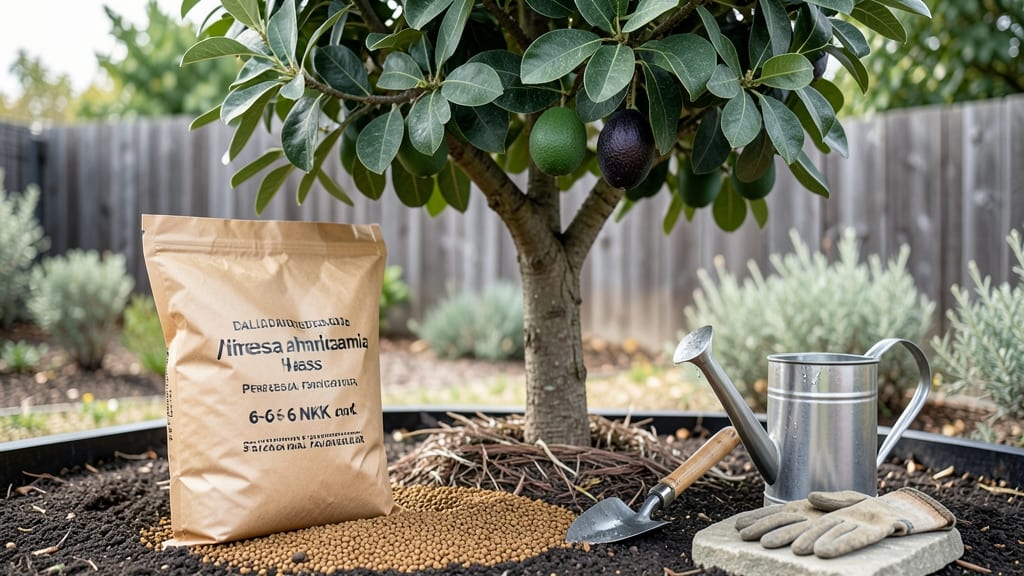
Optimal nitrogen-potassium ratios for Hass avocado trees by growth stage
Getting your Hass avocado tree to thrive depends heavily on understanding its nitrogen-potassium needs at each growth stage. Unlike many fruit trees, avocados are particularly sensitive to fertilizer ratios—too much nitrogen can delay fruiting, while insufficient potassium weakens disease resistance.
The key is matching your fertilizer blend to your tree's current phase: establishment, maturity, or fruiting.
Research from the University of California Avocado Research Center shows that young Hass trees (0-3 years) need a higher nitrogen focus to build strong root systems, while mature trees (4+ years) benefit from increased potassium to support fruit development.
The N-P-K ratio should shift from 3:1:1 in early stages to 1:1:2 during fruiting. Let's break down the science-backed ratios for each phase.
| Growth Stage | Recommended N-P-K Ratio | Key Nutrient Focus | Application Frequency | Best Fertilizer Type |
|---|---|---|---|---|
| Establishment (0-3 years) | 3-1-1 or 4-1-2 | High nitrogen for leaf/root growth | Every 4-6 weeks (spring-summer) | Slow-release organic (compost, worm castings) |
| Maturity (4-6 years) | 2-1-2 or 3-1-3 | Balanced N-P-K for trunk strength | Every 6-8 weeks (spring-fall) | Citrus-specific synthetic (e.g., 8-3-9) |
| Fruiting (7+ years) | 1-1-2 or 1-2-2 | High potassium for fruit quality | Every 8-12 weeks (early spring) | Potassium-rich (e.g., greensand, sulfate) |
| Dormancy (Winter) | 0-0-0 (No fertilizer) | Tree rests; avoid nutrient stress | None | N/A |
For young Hass trees (0-3 years), prioritize nitrogen to fuel rapid growth. A 3-1-1 ratio (e.g., 12-4-4 fertilizer) helps establish a robust root system and lush foliage. I recommend using compost or worm castings during this phase—they release nutrients gradually, preventing root burn.
Apply ½ cup per tree every 6 weeks from spring to early summer, then taper off as temperatures rise.
When your tree reaches maturity (4-6 years), shift to a 2-1-2 ratio like 8-4-8. This balance supports trunk thickening and prepares the tree for fruiting. At this stage, I’ve had success with citrus-specific fertilizers that include micronutrients like zinc and manganese—critical for Hass avocado health.
Reduce applications to every 8 weeks in late spring and summer to avoid overstimulating growth before winter.
The fruiting stage (7+ years) demands a potassium boost to improve fruit size, sweetness, and disease resistance. Switch to a 1-1-2 or 1-2-2 ratio, such as 6-6-12 or 5-10-15. Potassium sulfate or greensand are excellent choices.
Apply 1 cup per mature tree in early spring (February-March) to align with the tree’s natural bloom cycle. Avoid late-season fertilization, as it can delay dormancy and weaken winter hardiness.
One common mistake I see is over-fertilizing nitrogen in mature trees, which leads to excessive leafy growth at the expense of fruit production. Always test your soil (pH 6.0-7.0 is ideal for avocados) before adjusting ratios.
If your tree shows yellowing leaves, it may need more nitrogen; if leaf edges brown, potassium deficiency is likely. Use these visual cues to fine-tune your approach.
For organic gardeners, blend composted manure (high in nitrogen) with wood ash or greensand (potassium sources) to mimic the natural ratios. I’ve found that a 50/50 mix of compost and potassium-rich amendments works well for mature trees.
Always water thoroughly after application to prevent nutrient burn, especially in sandy soils where avocados thrive.
Remember: Less is more with Hass avocados. These trees are sensitive to salt buildup from synthetic fertilizers, so I recommend flushing the soil
Best organic vs synthetic fertilizers for Hass avocado trees
Choosing the right fertilizer for your Hass avocado tree can transform its growth and fruit production. Organic options like compost and worm castings build soil health slowly, while synthetic blends deliver quick nutrient bursts.
Each has unique benefits—let’s break down the pros and cons to help you decide what works best for your tree’s needs.
For young Hass avocado trees, organic fertilizers like well-aged manure or compost tea provide steady nutrients without risking root burn. Mature trees, however, often benefit from a mix of both—organic for long-term soil enrichment and synthetic for precise nutrient adjustments during fruiting seasons.
The key is matching the fertilizer to your tree’s current growth stage and soil conditions.
Organic Fertilizers for Hass Avocado Trees
- Improves soil over time
- Reduces risk of root burn
- Encourages microbial activity
- Slow-release nutrients
- Slower results than synthetic
- Requires more frequent application
- May contain weed seeds
- Higher cost per nutrient unit
Synthetic Fertilizers for Hass Avocado Trees
- Fast nutrient delivery
- Precise ratios for specific needs
- Long shelf life and stability
- Cost-effective for large quantities
- Risk of root burn if overused
- Depletes soil health over time
- Requires careful application timing
- Environmental runoff concerns
When using organic fertilizers, I recommend starting with composted cow manure or worm castings for young trees. These provide a balanced mix of nitrogen, phosphorus, and potassium while improving soil structure.
For mature trees, a blend of compost and bone meal can enhance flowering and fruiting. Always apply organic fertilizers in the early spring and late summer to align with your tree’s natural growth cycles.
Synthetic fertilizers, like a 6-6-6 NPK blend or a citrus-specific formula, are ideal for addressing immediate nutrient deficiencies. For example, if your Hass avocado tree shows signs of potassium deficiency (like yellowing leaves), a synthetic fertilizer with higher potassium can provide quick relief.
However, always follow the application instructions to avoid over-fertilizing, which can damage roots and reduce fruit quality.
For the best results, I suggest a rotational approach: use organic fertilizers in the off-season to build soil health and switch to synthetic blends during peak growing months (spring and summer).
This combination ensures your tree gets both long-term benefits and immediate nutrients when it needs them most. Always water thoroughly after applying fertilizer to help nutrients reach the roots.
Remember, the goal is to create a balanced ecosystem around your Hass avocado tree. Whether you choose organic, synthetic, or a mix, monitor your tree’s response and adjust your fertilizer strategy accordingly. Healthy soil leads to vibrant growth and abundant fruit—exactly what you’re aiming for! 🌱🥑