
How To
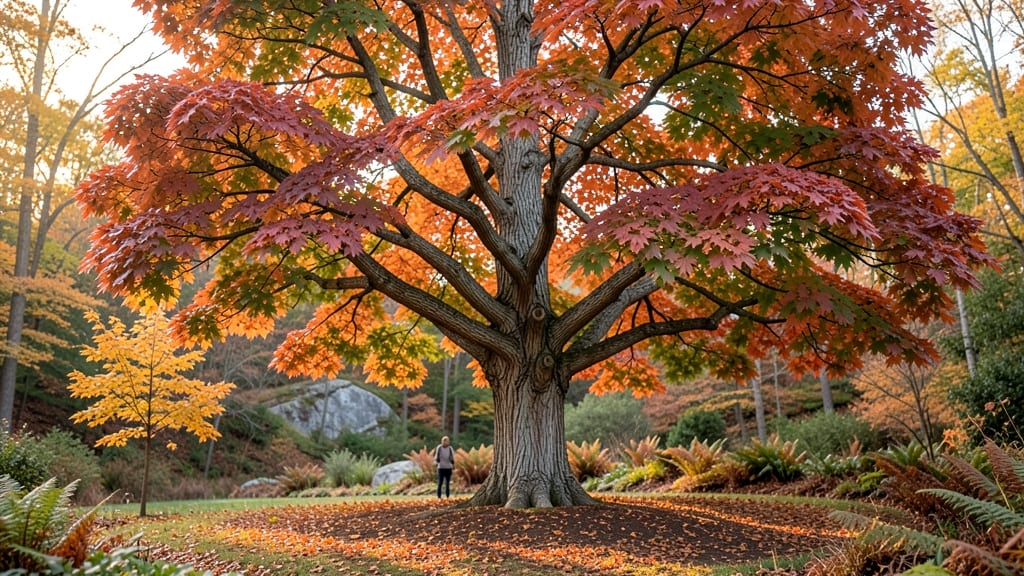
A maple tree grows to how tall does a maple tree grow heights that can dwarf even the tallest structures in your yard 🌳 — some varieties stretch over 100 feet at maturity, while others stay compact enough for urban spaces.
If you're dreaming of shade-proofing your backyard or adding long-term value to your property, knowing how tall maple trees grow is essential—especially when choosing the fastest-growing varieties that still deliver stunning fall foliage.
From the towering Sugar Maple to the more manageable Japanese Maple, each species has a distinct growth pattern shaped by climate, soil, and care. The right choice can mean the difference between a 10-foot ornamental tree and a 120-foot shade giant.
Below, I’ll break down the height ranges by species, how to pick the perfect fit for your space, and the simple tricks to keep growth on track—so you can enjoy your maple’s beauty without the headaches.


Fastest-growing maple tree species and their maximum heights
If you're planning to plant a maple tree for quick shade or landscape impact, understanding growth rates and maximum heights is crucial. The fastest-growing maple species can reach impressive sizes in just 20-30 years, making them ideal for large yards or urban canopies.
Below, I’ll break down the top 5 fastest-growing varieties, their mature heights, and how quickly they grow to help you make the best choice for your space.
Choosing the right maple tree means balancing speed of growth with long-term maintenance. Some varieties like the Silver Maple grow 3-5 feet per year in ideal conditions, while others like the Sugar Maple grow more slowly but live for centuries.
Let’s explore the specifics so you can decide which fits your yard’s size and your patience level.
The Silver Maple is my top pick for homeowners who want fast shade. With an annual growth rate of 3-5 feet, it can reach 60-80 feet in just 20-30 years.
This makes it perfect for large backyards or properties where you need quick canopy coverage. However, its weak wood means it’s not ideal for storm-prone areas.
If you’re in an urban setting with limited space, the Boxelder Maple is a game-changer. It grows 4-6 feet per year, reaching 40-60 feet in as little as 15-25 years.
Its rapid growth and tolerance for poor soil make it a favorite for city landscapes, though it’s less durable than other maples in the long run.
For those who prioritize fall foliage and long-term growth, the Red Maple is a fantastic choice. While it grows slightly slower at 2-3 feet per year, its vibrant red leaves in autumn and adaptability to wet soils make it a standout.
It typically matures between 50-75 feet in 30-40 years, offering both beauty and shade.
When it comes to long-term investments, the Sugar Maple is unmatched. Though it grows slowly—only 1-2 feet per yearcenturies and reach heights of 70-100 feet.
Its iconic orange-red fall color and strong wood make it a prized tree for forests and large estates, but it requires patience and space.
Lastly, the Norway Maple strikes a balance with a 2-4 foot annual growth and a mature height of 50-70 feet in 25-35 years. It’s known for its dense shade and tolerance for urban conditions, making it a popular choice for parks and large residential properties.
Just be aware that its invasive roots can disrupt nearby plants.
Before planting, always check your local climate zone
Selecting the perfect maple tree for your space starts with understanding mature height and how it fits your landscape. A 20-foot Japanese Maple won't work in a small urban yard, while a 100-foot Sugar Maple needs acres of rural land. Matching your yard's dimensions to the right species prevents future headaches like overgrowth or root damage to sidewalks. Urban gardeners should prioritize dwarf or semi-dwarf varieties like Dwarf Sugar Maple (25 ft) or Bloodgood Japanese Maple (15-20 ft). These thrive in tight spaces while still offering vibrant fall colors. Rural properties can accommodate standard varieties like Red Maple or Silver Maple, which reach 60-80 feet at maturity. Proper spacing and pruning are critical for managing height and maintaining your tree's health. Always prune in late winter or early spring before new growth begins. Remove dead, diseased, or crossing branches first, then thin the canopy to improve airflow. For fast-growing species like Silver Maple, plan to prune annually to control height. If you're planting near power lines, consult your local utility company for minimum clearance requirements. Most maples need at least 30 feet of clearance at maturity. For urban landscapes, consider columnar varieties like Columnar Sugar Maple, which grow 30-40 feet tall but maintain a narrow profile—ideal for tight spaces. Remember, soil quality and sunlight directly impact growth rate. Amend clay-heavy soil with compost to improve drainage, and ensure your tree gets full sun (6+ hours daily). With the right variety and care, your maple tree will thrive for decades while providing year-round interest with its stunning foliage and bark. 🌳How to choose the right maple tree for your space based on height