
How To
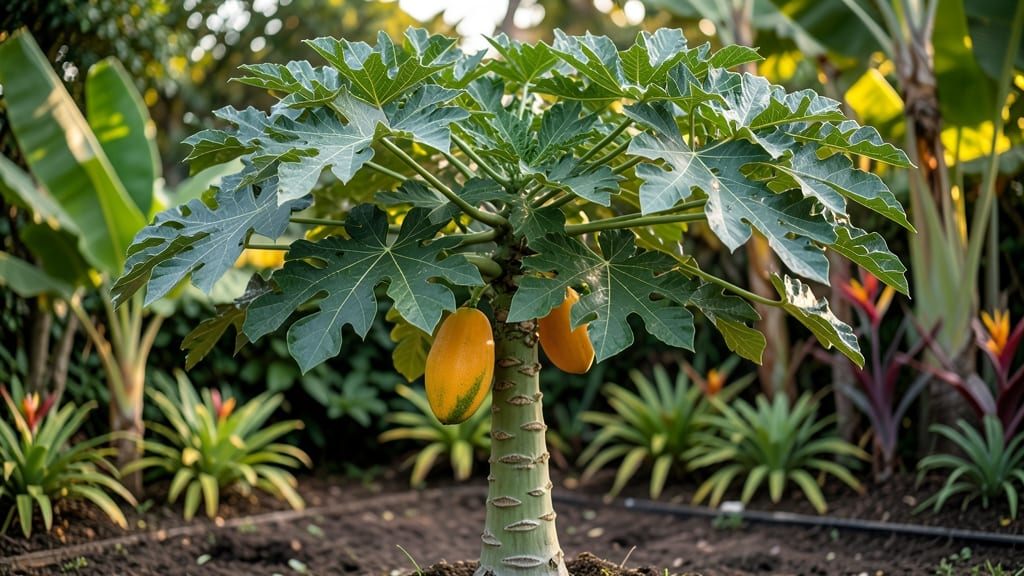
A papaya tree can grow between 10 and 30 feet tall, depending on the variety and growing conditions—making it a dramatic addition to any tropical garden or patio.
If you’ve ever dreamed of growing your own tropical fruit but worried about space, papaya trees might just be your perfect match—these fast-growing giants can reach towering heights, but their growth stages are both fascinating and manageable.
Under ideal conditions in General (Tropical/Subtropical) zones, a papaya tree 🍈 starts as a slender seedling, then shoots up 6 to 10 feet in just a year before maturing into a broad-canopied tree. Dwarf varieties don’t exist, but pruning can keep it more compact if you’re working with limited space.
Below, I’ll break down the exact growth timeline, how to control its height, and the fastest-growing varieties to get you from seed to harvest in 8 to 12 months—no green thumb required.


Papaya tree height by growth stage: from seed to mature canopy
Papaya trees (Carica papaya) are tropical powerhouses that grow surprisingly fast, transforming from tiny seedlings into towering fruit-bearing giants within just a few years. Understanding their height progression helps you plan your garden space and anticipate care needs at each stage.
From a delicate seedling to a 20-foot canopy, each phase brings unique challenges and rewards.
The growth rate of a papaya tree depends heavily on climate conditions, soil quality, and care practices. In ideal tropical settings with warm temperatures and abundant sunlight, these trees can grow 3-5 feet per year during their first few years.
However, cooler climates or container growing may slow their ascent significantly. Let’s explore how your papaya tree’s height evolves from seed to maturity.
🌱 Key Growth Stages by Height:
- Seedling (0-12 inches): First 3-6 months
- Juvenile (3-6 feet): 6-12 months
- Flowering (8-12 feet): 12-18 months
- Mature (15-20 feet): 2-3 years
During the seedling stage, your papaya will focus on root and stem development. In optimal conditions, you might see 6-inch growth per month during this phase. This is when proper watering and light exposure are critical—too much shade or inconsistent moisture can stunt early growth.
I’ve found that seedlings thrive when placed in bright indirect light for the first few weeks before transitioning to full sun.
The juvenile phase is where things get exciting—your papaya will shoot up quickly, often adding 1-2 feet per month if given ideal care. This is also when the tree begins developing its signature lobed leaves and may start branching.
If growing in containers, choose a large pot (20+ gallons) to accommodate this rapid vertical growth without root binding.
When your papaya reaches the flowering stage, expect dramatic height increases as the tree channels energy into both growth and fruit production. The 8-12 foot range is when you’ll see the first yellow-orange flowers appear.
At this point, I recommend adding a balanced fertilizer (like 10-10-10) every 4-6 weeks to support both foliage and fruit development. Some varieties may even produce fruit as early as 6 months, though full maturity takes longer.
The mature canopy is where papaya trees truly shine—literally! A fully grown tree can reach 20 feet or more, with some tropical varieties exceeding 30 feet in perfect conditions. This is when you’ll need to plan for space constraints and consider pruning techniques to manage height.
In my Zone 10 garden, mature papaya trees often top out around 18 feet with proper care and occasional height control.
Several factors influence how tall your papaya tree grows. Climate plays a massive role—tropical zones (10-12) allow for unrestricted growth, while cooler zones (like Zone 9) may see slower development unless you provide seasonal protection. Soil quality matters too; papayas thrive in well-draining, slightly acidic soil (pH 6.0-7.0).
Poor soil can lead to stunted growth or weak stems that struggle to support the tree’s weight.
Another critical factor is watering consistency. While papayas love moisture, they hate soggy roots. I’ve learned the hard way that overwatering can cause root rot, which stunts growth and weakens the tree.
Aim for deep watering every 2-3 days during hot months, reducing to every 5-7 days in cooler seasons. Mulching around the base helps retain moisture while protecting roots from temperature fluctuations.
For gardeners with limited space, there are ways to control papaya height without sacrificing fruit production. Strategic pruning—especially removing suckers
How to control papaya tree height: pruning and training techniques for small spaces
Papaya trees (Carica papaya) can grow 10-30 feet tall in ideal conditions, but their rapid growth makes them perfect candidates for height control.
Whether you're growing in a small backyard or a container on a patio, these techniques will help you manage their size without sacrificing fruit production. The key lies in understanding when and how to prune, as well as using training methods like staking and container gardening.
For indoor cultivation, papaya trees can be kept smaller through regular pruning and container size limitations. Outdoors, selective pruning and staking systems can guide their growth vertically rather than letting them sprawl.
The goal is to balance growth and fruit production, ensuring your tree stays manageable while still yielding delicious papayas.
- 🌱 Start with dwarf-friendly varieties: Choose compact varieties like 'SunUp' or 'Solo' if space is limited. These typically stay under 10 feet tall with proper care.
- 🪴 Use containers for indoor/outdoor growth: Plant in a 15-20 gallon pot to restrict root growth. Ensure pots have drainage holes to prevent waterlogging.
- ✂️ Prune early for size control: When your papaya tree reaches 3-4 feet tall, prune the top 1-2 inches to encourage bushier growth.
- 🌿 Train with a stake or trellis: Install a 6-8 foot tall stake and tie the main stem loosely with soft plant ties. This guides vertical growth.
- 🍈 Prune for fruit production: Once flowering begins, remove side shoots to redirect energy to fruit-bearing branches. Leave only 2-3 main branches for optimal yield.
- 💧 Fertilize lightly for controlled growth: Use a balanced 10-10-10 fertilizer every 6-8 weeks to avoid rapid, unchecked growth.
- 🌡️ Monitor sunlight exposure: Ensure 6+ hours of direct sun daily, but provide afternoon shade in Zone 9+ to prevent heat stress.
Pruning at the right time is crucial. For size control, prune in early spring or after harvest to remove overgrown branches. To encourage fruit production, prune lightly during the flowering stage to maintain a balanced shape. Always use sterilized pruning shears to prevent disease.
If growing outdoors in small spaces, consider espalier training. This involves tying branches horizontally along a fence or trellis, which can reduce the tree's overall footprint by 30-50%.
For container gardening, choose a large pot with good drainage and repot every 2-3 years to refresh the soil and control root growth.
Remember, papaya trees are fast growers, so regular maintenance is key. With the right pruning schedule and training techniques, you can enjoy a manageable-sized tree that still produces an abundance of fruit.
Whether indoors or outdoors, these methods will help you harness the tree’s natural growth while keeping it within your space constraints.
🌿