
How To
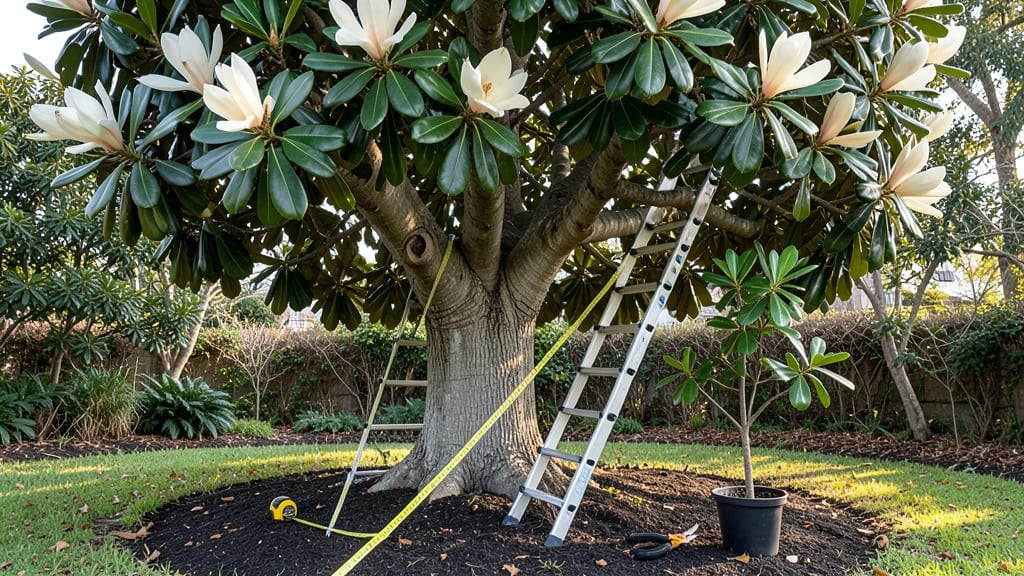
A magnolia tree can show just how tall magnolia trees grow—anywhere from 10 feet to a towering 120 feet, depending on the variety and care you provide.
If you’ve ever dreamed of a towering magnolia tree shading your backyard with fragrant blooms, understanding their mature height—and how to maximize growth—is essential. Some varieties reach skyscraper-like proportions, while others stay perfectly sized for small gardens.
Fast-growing species like Magnolia grandiflora can soar to 80 feet or more, but dwarf varieties like Magnolia stellata top out at just 15 feet. The right sunlight, soil, and pruning can make all the difference in reaching—or capping—their potential height.
In this guide, I’ll break down the fastest-growing magnolia trees, sunlight needs for optimal growth, and the best cultivation techniques to control their size—whether you want a backyard giant or a compact centerpiece.


Magnolia tree height by variety: from dwarf to giant species
Choosing the right magnolia variety depends entirely on your space and vision. Some dwarf magnolias stay under 15 feet, perfect for small yards, while others like Southern magnolias soar to 80 feet, dominating landscapes like skyscrapers. The key? Matching the mature height to your property and climate zone.
Most magnolias grow 1-2 feet annually in ideal conditions, but some rare hybrids like Magnolia 'Black Tulip' can grow 3+ feet per year with proper care. Understanding these growth rates helps you plan for decades of stunning blooms without unexpected overgrowth.
Below, I’ve organized 12+ magnolia varieties by height category—from miniature to giant—so you can visualize their impact before planting. Whether you want a fragrant shade tree or a compact patio centerpiece, this guide ensures you pick the perfect fit.