
How To
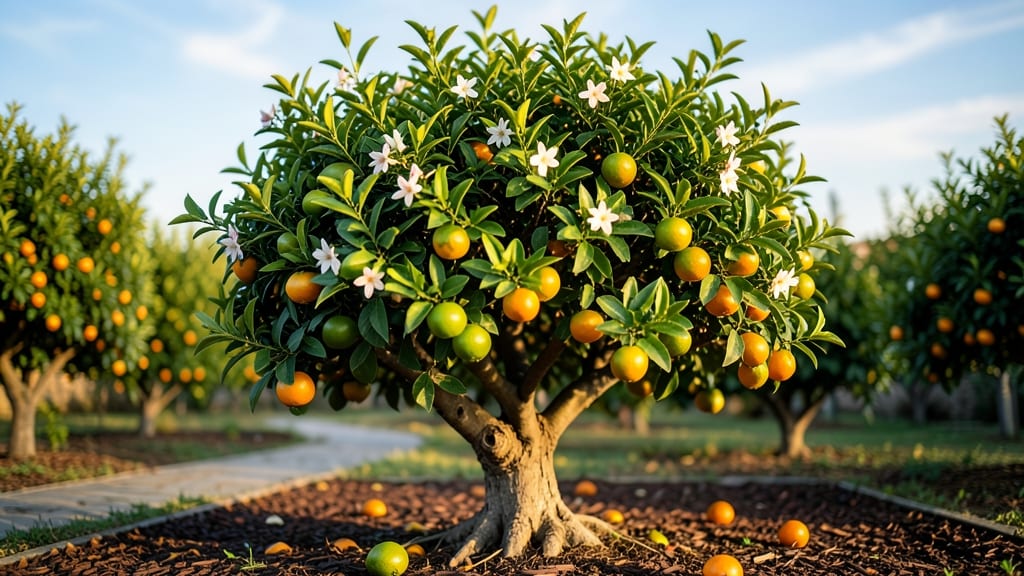
How tall does an orange tree grow? The mature height can range from 8 feet for dwarf varieties to towering 40 feet for standard types, making space planning the first step before planting.
If you’re dreaming of backyard oranges but only have a patio, you’ll need to choose carefully—or prune aggressively. Some varieties stay small enough for containers, while others will soon outgrow even the largest garden.
The right pick (or pruning strategy) can mean the difference between a bountiful harvest and a tree that crowds your deck.
Climate plays a huge role too. In cooler zones like USDA 6a, dwarf types like Calamondin thrive at 6–10 feet, while in warmer zones, standard Navel oranges can reach 20–30 feet without intervention.
Even the same variety can grow twice as tall with proper care—or stay stunted if neglected.
Below, I’ll break down height ranges by variety, how to control growth naturally, and whether taller trees actually produce more fruit. Spoiler: Not always—and pruning at the right time can boost yields while keeping your tree manageable.


Orange tree height by variety: dwarf vs. standard vs. giant growth charts
Choosing the right orange tree variety isn't just about flavor—it's about space planning. A standard Valencia orange tree can soar to 30-40 feet in tropical climates, while a dwarf Calamondin stays neatly under 6 feet.
Your backyard's size and climate zone determine which citrus giant—or pint-sized powerhouse—fits best. Let's break down the height differences by variety and how they adapt to your growing conditions.
First, understand that orange tree height isn't fixed—it's influenced by pruning habits, container size, and climate stress. A tree grown in a 15-gallon pot will stay shorter than one planted in the ground, even if it's the same variety.
For example, a Meyer lemon tree (a hybrid citrus) might reach 12 feet outdoors but only 5 feet in a container. Always check the mature height label when selecting a tree.
Here’s the key difference: dwarf varieties are bred to stay small, while standard trees grow to their natural height unless pruned aggressively. Some varieties, like the Satsuma mandarin, are naturally cold-hardy and may grow slightly slower in USDA Zone 8 compared to their tropical counterparts.
Let’s compare the most popular options in the table below to help you visualize their growth trajectories.
If you're growing oranges in containers, dwarf varieties like the Calamondin or Meyer Lemon are ideal for patios or balconies. These stay under 6 feet and produce fruit abundantly.
For outdoor planting, the Satsuma is a great cold-hardy choice for USDA Zones 7–9, while Valencia or Navel oranges dominate in tropical climates. Always factor in winter protection if you're in a marginal zone.
One common mistake is assuming that smaller trees produce less fruit. In reality, dwarf varieties often yield just as much per square foot as larger trees because they’re more efficient with their energy.
For example, a 6-foot Calamondin can produce 50–100 oranges per year, while a 30-foot Valencia might yield 200–300 oranges—but takes up far more space. Weigh your space constraints against your harvest goals before choosing.
For temperate climates like
How climate Zones affect orange tree height: USDA Zone-specific growth patterns
Your orange tree's height isn't just about genetics—it's heavily influenced by your USDA climate zone.
In Zone 11, where frost is rare, trees like 'Blood Orange' can reach 25-40 feet tall, while in Zone 9, the same variety might max out at 15-20 feet due to cooler winters.
Humidity and temperature play critical roles in determining whether your citrus tree will become a towering giant or a manageable patio size.
Cold-hardy varieties like 'Satsuma' thrive in Zones 7-10 but rarely exceed 12-15 feet tall, making them ideal for smaller yards. Meanwhile, heat-sensitive types like 'Valencia' need Zones 9-11 to reach their full 20-30 foot potential. Understanding these patterns helps you choose the right variety for your space and climate.
| USDA Zone | Cold-Hardy Variety | Heat-Sensitive Variety | Mature Height (ft) | Climate Impact |
|---|---|---|---|---|
| Zone 8 | 'Satsuma' | 'Navel' | 8-12 ft | Frost risk limits growth; prune to protect branches |
| Zone 9 | 'Trovita' | 'Valencia' | 12-18 ft | Moderate winters allow steady growth; watch for humidity-related diseases |
| Zone 10 | 'Cara Cara' | 'Blood Orange' | 18-25 ft | Warm winters encourage rapid growth; prune annually to maintain shape |
| Zone 11 | 'Meyer Lemon' | 'Jaffa' | 25-40 ft | Frost-free climate allows unchecked growth; regular pruning essential |
In Zone 8, where frost is a real threat, even cold-hardy varieties like 'Satsuma' will struggle to exceed 12 feet without protection. I recommend wrapping young trees in burlap during winter and pruning to remove weak branches that frost can damage.
This not only controls height but also encourages a stronger structure for future fruit production.
For Zone 9 gardeners, the key is balancing growth with humidity control. Varieties like 'Valencia' can grow aggressively, but high humidity increases the risk of fungal diseases.
Prune to improve airflow and consider drip irrigation to keep foliage dry. This approach maintains a 15-18 foot height while keeping your tree healthy.
If you're in Zones 10-11, your orange tree has the potential to become a true giant, but that doesn't mean you should let it. Regular structural pruning every 6-12 months helps manage height while encouraging fruit-bearing branches.
For example, a 'Blood Orange' in Zone 11 can easily reach 30 feet—but with strategic pruning, you can keep it at a more manageable 20 feet.
Remember, pruning isn't just about height control—it's also about fruit production. When you prune, focus on removing suckers and water sprouts while leaving the central leader intact. This ensures your tree stays within your desired height while still producing a bountiful harvest.