
Propagation
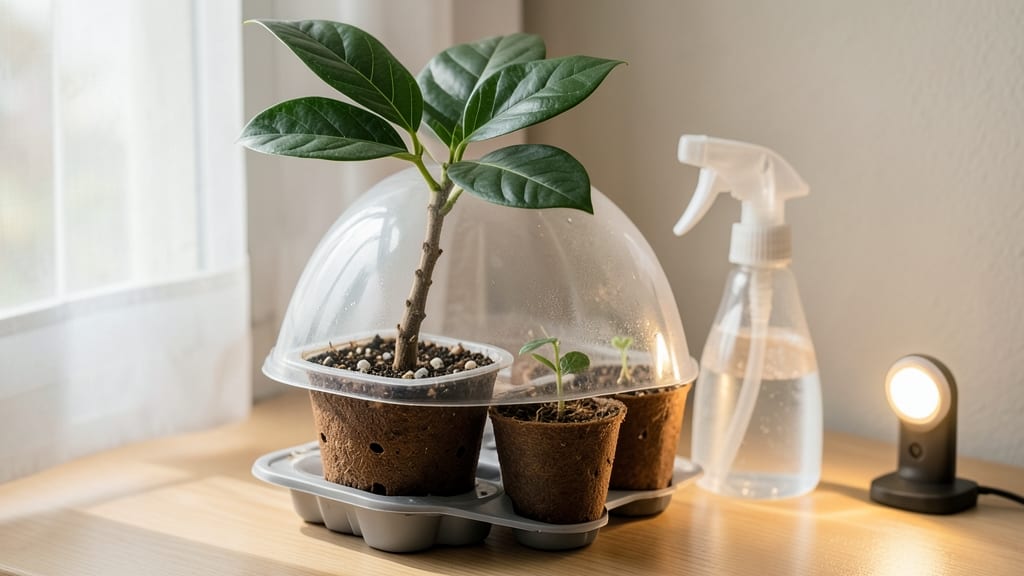
Growing a mango tree from seed indoors starts with that juicy pit you spit out after breakfast—the one that could become your tropical centerpiece. 🌱 I’ve turned grocery store seeds into 6-foot-tall trees with glossy leaves and (eventually) fruit, and you can too—no greenhouse required.
The key? Patience and mimicking the humid, warm conditions of a mango’s native rainforest.
First, you’ll need a 3-inch pot, well-draining soil mix, and a spray bottle (no fancy equipment). The seed takes 2-4 weeks to sprout, and the first few months are all about keeping the soil damp—not soggy—and placing the pot in bright, indirect light.
Too much direct sun now will scorch those delicate first leaves, and too little light means leggy, weak growth that never thickens up.
By month 6, you’ll have a sturdy sapling with real leaves (not the tiny seedling ones) and a trunk thick enough to handle pruning. The real magic happens when you transplant it outdoors in spring—suddenly, it grows like a weed, reaching for the sky.
Just don’t expect fruit for 3-5 years (if you’re lucky), but the journey is worth it for that first glimpse of tropical green in your living room.
Here’s the secret weapon: humidity. Mango seeds hate dry air, so mist the leaves daily or set the pot on a tray of pebbles with water. And if your tree stretches toward the window like it’s starving?
It’s not—it’s begging for more light. Adjust your setup before it’s too late, and you’ll have a thriving indoor mango tree before you know it.
📚 In This Guide
- What you need
- Instructions
- Tips and common mistakes
- Wrapping up and next steps
What you need
- ● Mango seed: 1 fresh, plump seed (from a ripe, organic mango if possible). Pro tip: 💡 Rinse it gently to remove any fruit residue before planting!
- ○ Small pots: 2-3 biodegradable pots (3–4 inches wide) or regular pots with drainage holes. Optional: Use a seed-starting tray for convenience.
- ● Well-draining potting mix: 1 bag of high-quality seed-starting mix or a blend of 50% peat moss and 50% perlite/sand for aeration.
- ● Drainage layer: Pebbles, small rocks, or broken pottery shards (1–2 inches deep) to prevent root rot.
- ● Spray bottle: For gentle watering (avoids disturbing the seed).
- ● Plastic wrap or clear lid: To create a mini greenhouse effect and retain humidity.
- ● Grow lights or sunny windowsill: A south-facing window (6+ hours of light daily) or a LED grow light (12–16 hours/day) for indoor setups.
- ○ Humidity dome or plastic bag: Optional but helpful for maintaining moisture during germination.
- ● Fertilizer: Balanced liquid fertilizer (e.g., 10-10-10) only after the seedling sprouts 2–3 true leaves.
- ● Support stake or trellis: A small bamboo stake or mesh trellis (for when your tree reaches ~12 inches tall).
- ● Warmth: Consistent temperature of 70–85°F (21–29°C). Avoid drafts or cold windowsills.
- ● Patience: Germination can take 2–6 weeks—sometimes longer! Stay consistent with care.
- ● Space: A dedicated spot for your seedling to grow (mango trees can reach 10+ feet indoors with proper pruning).
- ● Time commitment: Daily checks for moisture, light, and humidity (especially in the first 3 weeks).
Step-by-step instructions for growing a mango tree from seed indoors
Here's how to coax a tropical mango tree from a single seed—no greenhouse needed.
🌱 Step 1: Prepare and Plant the Seed
Start with a fresh mango seed (the pit) from a ripe fruit. Remove any fibrous flesh and let it dry for 2-3 days at room temperature until the outer shell feels slightly hard. This prevents rot once planted. Place the seed in a small container with 2-3 inches of moist potting mix, pressing it down just enough so the pointed end faces upward—this is where the shoot will emerge.
Don't bury the seed deep. Just ½ inch of soil coverage is enough. Water lightly until the soil feels damp but not soggy. I like to use a spray bottle for this step—it keeps the seed from getting displaced. Place the container in a warm spot (around 75-80°F) like near a sunny window or under a grow light. Germination can take 2-6 weeks, so patience is key.
💧 Step 2: Maintain Moisture and Warmth for Germination
Keep the soil consistently moist but never waterlogged. Stick your finger in the soil—if the top ½ inch feels dry, it's time to water. Overwatering here is the biggest mistake; you'll see the seed turn mushy and fail to sprout. A clear plastic bag draped loosely over the container creates a mini greenhouse effect, trapping warmth and humidity. Remove it daily for 10 minutes to prevent mold.
Watch for the first sign of life: a tiny white root pushing through the bottom of the seed. Once you see this, remove the plastic entirely. The shoot will follow in 1-2 weeks after rooting. This is the moment you've been waiting for—your mango tree's first true leaves will appear soon after.
☀️ Step 3: Provide Light and Care for Seedling Growth
Move the seedling to a bright spot with 6-8 hours of indirect sunlight daily. A south-facing window works best, but direct midday sun can scorch delicate leaves. If your space lacks natural light, supplement with a grow light kept 6-12 inches above the plant. You'll notice leggy growth if the light is too weak—this means the seedling is stretching toward any available light source.
Water when the top 1 inch of soil feels dry, using room-temperature water to avoid shocking the roots. Fertilize lightly with a balanced liquid fertilizer (10-10-10) diluted to half strength every 4-6 weeks once the seedling has 3-4 true leaves. This encourages steady growth without overwhelming the young roots.
🪴 Step 4: Transplant and Encourage Stronger Growth
When the seedling reaches 6-8 inches tall and has 5-6 true leaves, it's time to transplant into a 5-inch pot with fresh potting mix. Gently loosen the roots and place the seedling in the center of the new pot, covering the root ball with soil. Press lightly around the base to secure it. This step prevents transplant shock by minimizing root disturbance.
After transplanting, place the pot in a shadier spot for 3-5 days to help the seedling adjust. Then, gradually reintroduce it to brighter light. Prune any yellow or damaged leaves immediately—they slow down growth and attract pests. With consistent care, your mango tree will develop a sturdy trunk and lush foliage within 6-12 months.
Tips & tricks for growing a mango tree indoors
Here's what nobody tells you about coaxing a tropical tree from a simple seed—these tricks make all the difference.
Seed Selection Matters: Not all mango seeds germinate equally! Choose seeds from ripe, organic mangoes when possible—they've had the best start in life. I've found seeds from varieties like 'Haden' or 'Kent' germinate most reliably. If you're using store-bought mangoes, look for seeds that feel firm and heavy for their size, as these tend to have higher viability. The 2-3 day drying period is crucial—it's not just about preventing rot, but also breaking the seed's natural dormancy.
Germination Environment: The warm spot you choose (around 75-80°F) should be consistently warm—avoid placing near drafty windows or air vents that might cool suddenly. I've had the best success using a seedling heat mat set to low under the container during germination. This creates a more stable environment than relying solely on room temperature. That 10-minute daily removal of the plastic bag is important too—it prevents mold while still maintaining humidity. Think of it like giving your seed a quick shower break.
Light Transition Strategy: When moving your seedling to its bright spot after germination, do it gradually over 3-5 days. Start with just 2-3 hours of indirect light and slowly increase to the full 6-8 hours. This prevents what I call "sun shock"—those delicate leaves can burn if exposed too quickly. I've seen seedlings with crispy edges from this exact mistake. Also, rotate your pot every few days so all sides get even light exposure, preventing lopsided growth.
Transplanting Timing: The 6-8 inch height and 5-6 true leaves markers are your best indicators for transplanting, but don't rush! I've watched seedlings that were transplanted too early develop root issues. When you do transplant, water thoroughly before and after to help reduce stress. The shadier recovery period helps the seedling adjust to its new home without overwhelming it with light immediately.
Pro Tips for Grow A Mango Tree From Seed Indoors
- Here's what nobody tells you about coaxing a tropical tree from a simple seed—these tricks make all the difference.
- Seed Selection Matters: Not all mango seeds germinate equally!
- Germination Environment: The warm spot you choose (around 75-80°F) should be consistently warm—avoid placing near drafty windows or air vents that might cool suddenly.
Frequently asked questions
Got questions about growing a mango tree from seed indoors? You’re not alone! Here are some of the most common queries—and their answers—to help you navigate this tropical adventure like a pro.
How long does it take for a mango seed to sprout indoors?
A mango seed typically sprouts within 2–4 weeks if kept in warm, moist conditions (around 75–85°F). Patience is key—some seeds may take up to 6 weeks to crack open. If nothing happens after a month, gently check for rot or dryness and adjust your setup.
Will my indoor mango tree ever bear fruit?
Probably not! Most mango trees grown from seed indoors won’t fruit for decades (if ever), as they require specific pollination and tropical climates. However, the journey is still rewarding—focus on nurturing a lush, ornamental tree that thrives in your home. For fruit, consider grafting or buying a nursery-grown tree.
Can I grow a mango tree indoors year-round, or do I need sunlight?
While mango trees love sunlight (6+ hours daily), you can supplement with a grow light (12–14 hours) indoors. In winter, reduce watering and move the tree near a south-facing window. If leaves yellow or stretch, it’s a sign of light deprivation—adjust accordingly!
Why is my mango seedling wilting or turning yellow?
Wilting or yellowing leaves usually mean overwatering, underwatering, or poor drainage. Check the soil—it should be slightly moist but not soggy. Ensure the pot has drainage holes and repot if roots are crowded. Brown edges? Likely low humidity—mist leaves or use a pebble tray!
What’s the best pot size for a young mango tree?
Start with a small pot (6–8 inches) for the seedling, then upgrade to 10–12 inches within a year. Mango trees grow fast—choose a pot 2–3 inches larger than the root ball when repotting. Use a well-draining mix (e.g., cactus soil + perlite) to prevent root rot.
Pro Tip: Label your pots! Mango trees can look identical, and tracking growth stages (seedling, juvenile, mature) helps you tailor care. Plus, it’s satisfying to watch progress over months!
Wrapping up and next steps
Growing a mango tree from seed indoors is a rewarding journey that brings a taste of the tropics into your home! 🌱 With patience, the right care, and a little love, you can nurture a thriving plant that may even bear fruit someday.
Start small—plant that seed today—and watch your green thumb grow along with your tiny tree.
Ready for the next step? Once your seedling is strong, consider transplanting it outdoors (if your climate allows) or exploring grafting techniques to ensure fruit production. Either way, your tropical adventure has only just begun!