
Propagation
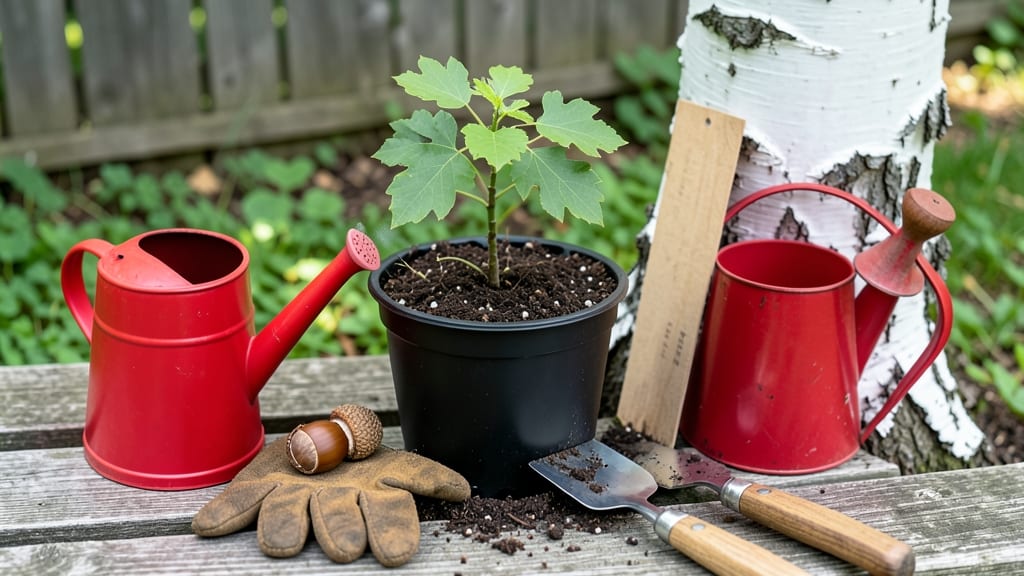
To grow a white oak tree from acorn, you'll need to stratify the seed for 60-90 days in cold, moist conditions, plant it in well-draining soil, and prepare for a 1-3 year germination period while maintaining consistent moisture and shade. Starting indoors in fall gives your seedling the best head start.
White oak acorns are notorious for their stubbornness—nature designed them to germinate only after a long winter chill period, which is why cold stratification is non-negotiable. 🌱 The process mimics the natural cycle by breaking down the seed's hard outer shell while encouraging root development.
I've found that using damp sand or peat moss in a sealed container at 35-40°F works best, with occasional checks to ensure the medium stays moist but not soggy.
Once stratification is complete, transplanting into a sunny outdoor spot with acidic, well-draining soil becomes your next critical step—white oaks despise waterlogged roots.
Here's the kicker: even after proper stratification, germination can take years, and many acorns never sprout at all. That's why I recommend collecting dozens of acorns from mature trees—your odds improve dramatically with volume.
Once sprouted, these seedlings grow agonizingly slow at first, but with patience and proper care, they'll eventually become the majestic shade trees we all admire. The key is consistency: water deeply once a week during dry spells and avoid disturbing the young roots during their first few years.
💡 In This Article
- White Oak Acorn Stratification Process Explained
- Planting and Long-Term Care for White Oak Seedlings
White oak acorn stratification process explained
The cold stratification process is essentially tricking the acorn into thinking it's experienced winter. White oak acorns contain a hard outer shell that requires 60-90 days of consistent temperatures between 35-40°F to soften.
This cold period mimics the natural dormancy period that occurs when acorns fall in autumn and remain buried under leaf litter until spring. The moisture component is equally critical—acorns need to stay hydrated but not waterlogged, as excessive moisture can cause rot.
I've found that mixing acorns with damp sand or peat moss in a sealed container works best, with occasional checks to ensure the medium stays consistently moist.
Here's what's happening scientifically: the cold temperatures slow down metabolic processes while allowing water to penetrate the seed coat. This triggers the production of gibberellins, a plant hormone that signals the embryo to begin growth.
Without this stratification, the acorn remains dormant indefinitely. 🌱 What's fascinating is how this process varies slightly depending on the acorn's origin—acorns from northern climates often require the full 90-day period, while those from southern regions may germinate with just 60 days of stratification.
The key is maintaining that 35-40°F range consistently, as even brief warm periods can disrupt the process.
For home growers, timing is everything. Starting the stratification process in early fall (around September-October) allows you to plant outdoors in spring when soil temperatures are warming. I recommend using a refrigerator's crisper drawer for stratification—it provides the ideal temperature while protecting against temperature fluctuations.
The container should be sealed but breathable (like a perforated plastic bag), and you'll want to check moisture levels weekly. Too much moisture leads to mold, while too little prevents proper hydration of the seed.
One common mistake is assuming all acorns will stratify successfully. In reality, only about 30-50% of white oak acorns will germinate even under perfect conditions. This is nature's built-in survival mechanism—only the hardiest acorns make it through the winter.
That's why I always collect 50-100 acorns from mature trees to maximize my chances. The good news is that once stratification is complete, the acorns that do sprout have a much higher success rate when properly planted.
Visual cues help determine when stratification is working. Successful acorns will show signs of root development after about 4-6 weeks, with tiny white roots emerging from the base. At this stage, you can gently separate the acorn from its medium to check for root growth without damaging the seed.
This is your signal that the stratification process is on track. 🌿 What's remarkable is how these tiny roots can grow up to 1-2 inches during stratification, giving the seedling a significant head start once planted.
The stratification process also helps break down the acorn's natural chemical inhibitors. White oaks produce compounds that prevent germination until conditions are ideal—a survival strategy that makes growing them from seed particularly challenging. By controlling the cold and moisture variables, we're essentially overriding this natural defense mechanism.
This is why home growers often see better results with stratification than with direct planting—those chemical inhibitors remain active in unstratified acorns, keeping them dormant for years.