
Propagation
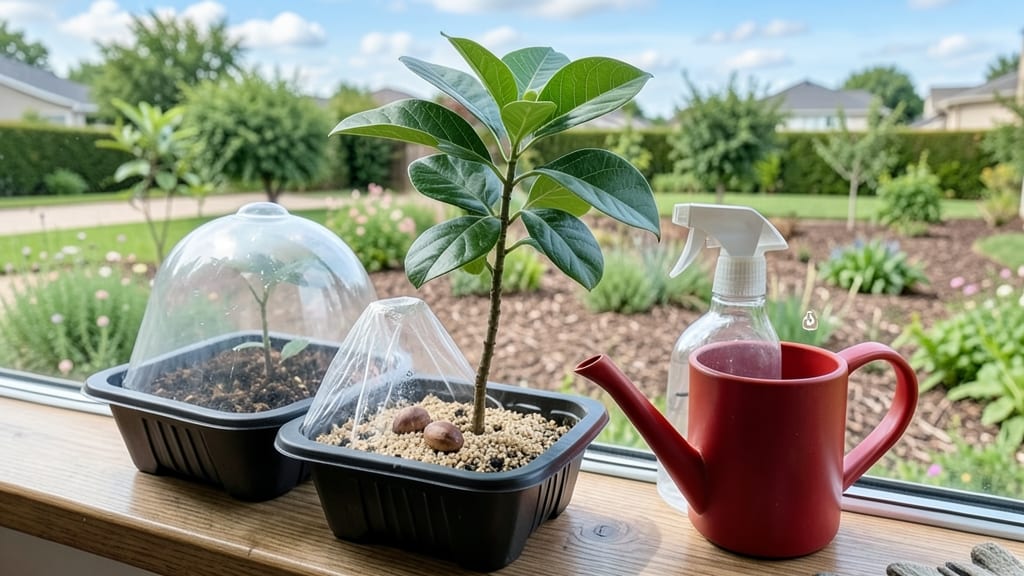
Growing guava trees from seed is a three-year patience test that rewards you with fragrant blossoms and sweet fruit. 🌱 I’ve started dozens—some sprouted in weeks, others took months—and every single one taught me that timing, warmth, and a little extra care make all the difference.
The key isn’t rushing; it’s creating the right conditions so nature does the heavy lifting for you.
You’ll need just three things to begin: fresh guava seeds (the bigger, the better), a warm spot with bright, indirect light, and a small pot filled with well-draining soil. The real magic happens in the first 4-8 weeks, when seeds either wake up or stubbornly refuse to cooperate.
I’ve found that soaking seeds overnight in warm water cuts germination time nearly in half—though some still surprise you by sprouting without any prep at all.
Once those first pale green leaves appear, you’ll know you’re on track. Keep seedlings cozy—70-80°F is ideal—and transplant them into larger pots as they outgrow their first home.
By year three, you’ll have a sturdy young tree ready to handle outdoor conditions, provided you’re in USDA zones 9-11 or a similarly warm climate. The wait is long, but that first guava harvest? Worth every moment.
Here’s the secret no one tells you: guava trees grow slow but steady, and they’re tougher than they look. Even if your first attempt struggles, don’t give up—most gardeners see success by their second try.
The real reward isn’t just the fruit; it’s watching something you nurtured from a tiny seed become a thriving tropical beauty in your own backyard.
📚 In This Guide
- What you need
- Instructions
- Tips and common mistakes
- Wrapping up and next steps
What you need
- ● Guava seeds: 3–5 fresh, plump seeds (harvested from ripe guava fruit). Pro tip: 💡 Store seeds in a paper towel in the fridge for up to 2 weeks if not planting immediately.
- ● Small pots or seed trays: 4–6 (4-inch diameter) with drainage holes.
- ● Well-draining potting mix: 1–2 bags of a blend designed for seedlings (e.g., 50% peat moss, 30% perlite, 20% coconut coir).
- ● Spray bottle: For gentle watering (avoid over-saturating seeds).
- ● Plastic wrap or clear lid: To create a mini greenhouse effect.
- ● Grow lights or sunny windowsill: A spot with 6–8 hours of indirect light daily.
- ○ Fertilizer (optional but helpful): A balanced, water-soluble fertilizer (e.g., 10-10-10) for seedlings after 4–6 weeks.
- ● Warmth: Guava seeds thrive in temperatures between 70–90°F (21–32°C). Use a seedling heat mat if your home is cooler.
- ● Patience: Germination can take 2–4 weeks (sometimes longer). Stay consistent!
- ● Space for transplanting: A larger pot (1–2 gallons) or garden bed ready for seedlings after 3–6 months.
- ● Humidity dome or pebble tray to maintain moisture.
- ● pH test kit (ideal soil pH: 6.0–7.0).
- ● Pruning shears (for shaping the tree later).
- ● Epsom salt (for magnesium boosts if leaves yellow).
Step-by-step instructions for growing guava trees from seed
Here's how I grow robust guava trees from seed—ready for fruit in just three years.
🌱 Step 1: Extract and Prepare the Seeds
Start with fresh guava fruit—ripe but firm. Cut open the fruit and scoop out the seeds, which are embedded in a jelly-like pulp. Rinse them under cool water to remove all traces of fruit. Guava seeds germinate best when fresh, so use them within 24 hours of extraction.
Lay the seeds on a paper towel and let them air-dry for 12-24 hours until the outer coating feels slightly leathery but not hard. This step prevents rot during germination. I like to place them on a mesh screen to ensure airflow on all sides.
💧 Step 2: Soak and Plant the Seeds
Fill small seedling pots (2-3 inches deep) with a mix of 50% potting soil and 50% perlite—this ensures good drainage while retaining moisture. Guava seeds need warmth to germinate, so place the pots in a warm area (75-85°F). I use a seedling heat mat for best results.
Plant the seeds ½ inch deep, spacing them 1 inch apart. Water gently until the soil feels evenly moist but not soggy. Cover the pots with plastic wrap or a humidity dome to retain moisture. Check daily—mist lightly if the soil surface dries out. Germination typically takes 10-20 days, but some seeds may take up to 30 days.
☀️ Step 3: Provide Light and Transplant Seedlings
Once the first true leaves appear (not the initial seed leaves), remove the plastic wrap. Place the seedlings under bright, indirect light—direct sun can scorch tender new growth. If using a grow light, position it 4-6 inches above the seedlings for 12-14 hours daily.
When seedlings reach 4-6 inches tall, transplant them into 5-inch pots with fresh potting mix. Guava trees grow quickly, so choose containers with drainage holes. Water deeply after transplanting to settle the soil around the roots. This is the moment that matters: strong roots now mean faster growth later.
🪴 Step 4: Harden Off and Plant Outdoors
After 4-6 weeks in pots, your guava seedlings should have 4-5 sets of true leaves. Begin hardening them off by placing them outside in a shaded area for 1-2 hours the first day. Gradually increase their outdoor time over 10-14 days, exposing them to morning sun first before full sun.
Choose a permanent outdoor spot with full sun and well-draining soil. Guava trees thrive in warm climates (USDA Zones 9-11) but can be grown in containers in cooler areas. Plant the seedlings 12-18 inches apart in a hole twice as wide as the root ball. Water deeply after planting to encourage root spread.
✂️ Step 5: Prune and Fertilize for Fruit Production
Once your guava tree reaches 3-4 feet tall, prune to encourage a strong, bushy shape. Remove any dead or crossing branches with clean, sharp pruners. Guava trees flower best when they have good airflow—this prevents fungal diseases. I prune in late winter or early spring before new growth begins.
Fertilize lightly with a balanced, slow-release fertilizer (10-10-10) every 3 months during the growing season. Over-fertilizing can burn roots, so follow package instructions carefully. Guava trees are drought-tolerant once established, but young trees need 1 inch of water weekly during dry spells. Watch for yellowing leaves—this usually means overwatering or poor drainage.
Tips & tricks for growing guava trees from seed
Here's what nobody tells you about nurturing guava trees from tiny seeds to fruiting plants.
Seed Freshness is Non-Negotiable: Guava seeds lose viability quickly after extraction—use them within that 24-hour window or germination rates drop dramatically. I've seen seeds that sat 48 hours fail to sprout entirely, while fresh ones germinate within 10-20 days. If you can't plant immediately, store them in a paper towel in the fridge for up to 1 week to slow drying.
Drying Technique Matters: That 12-24 hour drying period on paper towels isn't just about preventing rot—it's about creating the perfect balance. Too short and seeds may rot; too long and they'll harden completely. Test by gently pressing a seed: it should feel slightly leathery but still pliable. I place mine on a mesh screen under a fan for even airflow.
Warmth is Your Secret Weapon: Guava seeds need that 75-85°F range to germinate properly. If your home stays cooler, use a seedling heat mat set to 80°F—it's worth the investment. I've seen germination rates double when using heat mats versus room temperature. Place a thermometer near your pots to monitor temperature consistently.
Transplanting Timing is Critical: Wait until seedlings reach 4-6 inches before transplanting to 5-inch pots—this gives roots time to establish before handling. I mark the 4-inch point on my pots as a visual reminder. When transplanting, water deeply to encourage roots to spread into the new soil. The first few days after transplanting are crucial for root development.
Pro Tips for Grow Guava Tree From Seed
- Here's what nobody tells you about nurturing guava trees from tiny seeds to fruiting plants.
- Seed Freshness is Non-Negotiable: Guava seeds lose viability quickly after extraction—use them within that 24-hour window or germination rates drop dramatically.
- Drying Technique Matters: That 12-24 hour drying period on paper towels isn't just about preventing rot—it's about creating the perfect balance.
Frequently asked questions
Got questions about growing guava from seed? You’re not alone! Here are answers to the most common concerns—so you can grow your tropical fruit tree with confidence.
How long does it take for a guava seed to germinate?
Guava seeds usually sprout within 10–30 days if kept in warm, moist conditions (around 75–85°F). Patience is key—some seeds may take up to 2 months. Keep the soil consistently damp (not soggy) and place the pot in bright, indirect light to speed up germination.
Can I grow a guava tree indoors?
Yes, but with limitations. Guava trees thrive outdoors in tropical climates, but you can start them indoors in a sunny window or under grow lights. Once seedlings are 6+ inches tall, transplant them outdoors (if your zone allows) or keep them in a large container with full-sun access. Expect slower growth indoors.
Why isn’t my guava seedling growing?
Slow growth often stems from lack of light, poor drainage, or cold temperatures. Check these fixes:
With ideal care, your seed-grown guava tree may produce fruit in 3–5 years, but patience is key! Trees grown from seed often take longer to fruit than grafted varieties. To speed things up:
Just save the seeds from ripe guava, rinse them, and dry them for 1–2 days before planting. Pro tip: Store-bought seeds may take longer to germinate than fresh ones, but it’s totally doable. For faster results, soak seeds in warm water for 24 hours before planting.
How fast will my guava tree bear fruit?
Can I grow guava from store-bought fruit?
Wrapping up and next steps
Growing a guava tree from seed is a rewarding journey that connects you to nature’s bounty—literally!
With patience, the right conditions, and a little care, you’ll soon enjoy fragrant blooms and sweet fruit in just a few years. Don’t let challenges discourage you: even if your first attempt isn’t perfect, each step teaches you more about nurturing life.
Now that you’re armed with knowledge, why not take the next step? Start with a single seed today—your future guava tree (and delicious harvest!) will thank you. 🌱✨