
Pruning
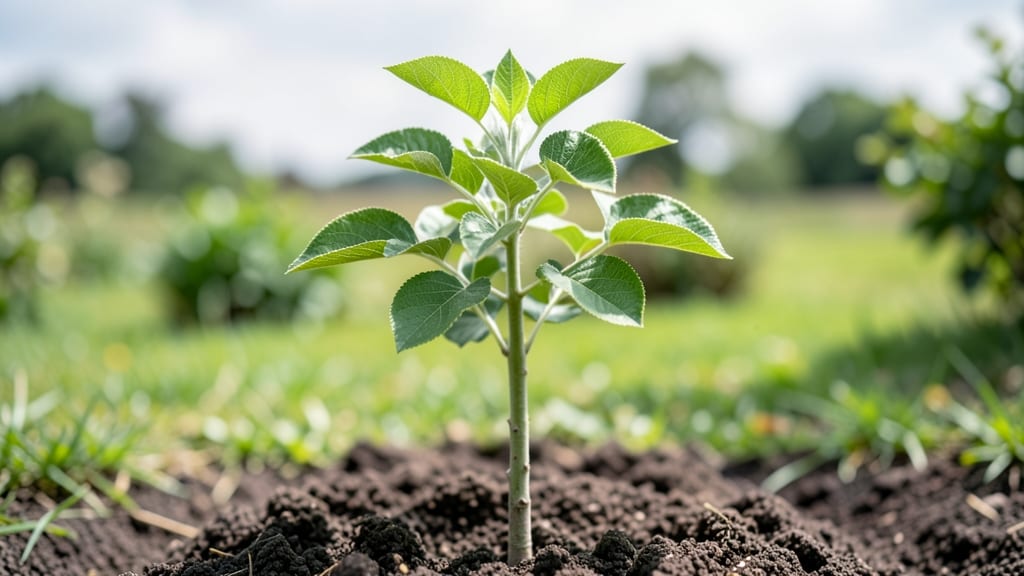
The identification of an apple tree seedling starts with those first leaves—serrated edges and a slightly oval shape tell you everything. 🌱 I used to confuse them with crabapples until I learned to spot the subtle differences in leaf veins and bud patterns that give them away.
The key is looking at how the buds cluster along the stem and the way the bark develops in its first year.
Most apple seedlings have alternate branching with buds arranged in a spiral pattern, unlike crabapples which often grow more upright. The leaves also tend to be darker green with a slightly waxy finish, and the stems have tiny hairs when young.
If you're still unsure, compare them side-by-side with known apple varieties—your local extension office often has reference samples.
Once you confirm it’s an apple, you’ll notice how quickly they grow—12-18 inches in their first season if conditions are right. The real payoff comes when those first blossoms appear in spring, though seed-grown trees may take 3-5 years to fruit reliably.
That’s why many gardeners graft known varieties onto these seedlings for predictable harvests.
For tricky cases, snap a photo and compare it to online guides or consult a local arborist. Seedlings can look like wild apples, hawthorns, or even cherry trees, but those differences become clearer as they mature.
Patience is key—you’ll get better with practice, and soon you’ll spot them in the wild.
Root Causes of Misidentification
Understanding why apple tree seedlings can be tricky to identify is the first step toward mastering the task. Misidentification often stems from a mix of natural variability, human error, and environmental factors.
Let’s break down the key reasons why even experienced gardeners sometimes struggle to correctly spot an apple tree seedling.
Apple trees grown from seeds (rather than grafts) are notoriously unpredictable. Unlike cloned cultivars, seedlings inherit a random mix of traits from two parent trees, leading to vast differences in leaf shape, bud patterns, and growth habits.
For example: - Leaf diversity: A seedling’s leaves may resemble those of a Granny Smith one day and a Honeycrisp the next, making visual identification unreliable. - Bud formation: Apple tree buds vary widely in size, shape, and arrangement.
A seedling’s buds might not match any known cultivar’s standard, leaving you guessing. - Disease resistance: Seedlings often lack the disease-resistant genes bred into commercial varieties, which can alter their appearance (e.g., distorted leaves from fungal infections).
Actionable tip: 🔍 If you’re relying on seed-grown seedlings for identification, compare them to a reference chart of known apple tree leaves and buds—but expect surprises!
Young seedlings lack the defining characteristics of mature apple trees. Their leaves and buds are often smaller, less distinct, and more prone to environmental influences. Key challenges include: - Juvenile leaves: Seedlings may produce broad, lobed leaves in early growth that later refine into the adult tree’s shape.
A seedling’s first-year leaves might look nothing like its future form. - Bud dormancy: Buds on young trees are less developed, making it hard to assess their potential fruit-bearing patterns.
Some buds may resemble vegetative growth rather than floral clusters. - Slow development: Without proper care (like grafting or rootstock training), seedlings take years to display stable traits, leaving you stuck in a guessing game.
Actionable tip: ⏳ Patience is key! Wait until the seedling is at least 2–3 years old before attempting identification, as its traits will be more stable.
External conditions can drastically alter a seedling’s appearance, mimicking traits of other species or masking its true identity. Common stressors include: - Light exposure: Shade can cause leaves to grow larger and thinner, while full sun may produce smaller, tougher leaves.
A seedling in partial shade might look entirely different from one in a sunny orchard. - Water fluctuations: Overwatering or drought can lead to leaf curling, discoloration, or stunted growth, making identification nearly impossible.
For example, a waterlogged seedling’s leaves may resemble those of a stressed pear tree. - Soil quality: Poor drainage or nutrient deficiencies (like nitrogen or magnesium) can distort leaf shape and color. A seedling in rocky soil might develop irregular lobes or spots, confusing visual cues.
Actionable tip: 🌡️ Grow seedlings under consistent conditions (e.g., well-draining soil, moderate water) to reduce stress-related variations. Compare them to healthy, mature reference trees.
Even with the right tools, mistakes happen.
Common pitfalls in seedling identification include: - Over-reliance on one trait: Focusing solely on leaf shape (e.g., serrated edges) without considering bud arrangement or bark texture can lead to false conclusions. - Seasonal confusion: New leaves in spring may look different from mature fall leaves.
A seedling’s first flush of growth might not match its winter bud structure. - Lack of reference material: Without side-by-side comparisons to known apple cultivars (or even other fruit trees like pears or cherries), it’s easy to misclassify a seedling.
Actionable tip: 📊 Use a field guide or digital app (like iNaturalist) to cross-reference multiple traits—leaf shape, bud clusters, and bark texture—before making a call.
Apple trees are prone to cross-pollination, especially in home orchards or wild settings. This can result in seedlings that are hybrids, blending traits from multiple parent trees.
For instance: - A seedling might inherit the leaf shape of a Fuji apple but the bud pattern of a McIntosh, creating a confusing hybrid. - Wild apple relatives (like crabapples) can also cross-pollinate, producing seedlings that don’t match commercial apple varieties at all.
Actionable tip: ✨ If you’re growing seedlings from a mixed orchard, document parent trees or isolate pollinators to reduce hybrid confusion.
Fixing Common Apple Seedling Issues
Identifying an apple tree seedling correctly is just the first step—keeping it healthy and thriving requires addressing common challenges. Below, we’ve mapped practical solutions to the most frequent problems, along with prevention tips to save you time and effort.
Cause: Poor soil conditions, incorrect planting depth, or improper moisture levels.
Solution: 🔥 Check Soil Moisture – If the soil is too dry, gently water the area where you planted the seedling. Use a spray bottle for delicate seedlings to avoid disturbing the soil. 🍳 Adjust Planting Depth – If buried too deep, carefully dig up the seedling and replant it so only the top half of the root is covered. If too shallow, press soil lightly around the base. 👨🍳 Warm Up the Soil – Place a clear plastic dome or row cover over the seedling to trap warmth and humidity, mimicking a greenhouse effect. ⏰ Be Patient – Germination can take 2–4 weeks. Avoid frequent disturbances—consistency is key.
Prevention Tips: ✨ Test Soil First – Ensure drainage and fertility before planting. Amend heavy clay or sandy soil with compost. 🌡️ Plant at the Right Time – Early spring or late fall (after the first frost) offers ideal soil temperatures for germination. 🎯 Label Your Seedlings – Use biodegradable tags to track planting dates and avoid confusion with weeds.
Cause: Overwatering, underwatering, nutrient deficiency, or fungal infections.
Solution: 💡 Diagnose the Problem –
- Overwatered? Check for soggy soil and yellowing leaves with brown edges. Reduce watering and improve drainage by adding perlite or sand.
- Underwatered? Wilting leaves and dry soil mean it’s time to water deeply. Use a moisture meter to monitor levels.
- Nutrient Deficiency? Yellow leaves with green veins suggest nitrogen deficiency. Apply a balanced fertilizer (10-10-10) or compost tea.
🔥 Fungal Issues? – If leaves have black spots or mold, prune affected areas and treat with neem oil or copper fungicide. Space seedlings properly for airflow.
Prevention Tips: 📊 Water Wisely – Aim for 1–1.5 inches of water per week, adjusting for rain. Drip irrigation reduces waste and disease risk. 💪 Boost Soil Health – Mix in compost or worm castings at planting to provide slow-release nutrients. 🥗 Monitor for Pests – Inspect leaves regularly for aphids or mites, which can stress seedlings.
Cause: Aphids, spider mites, or borers weaken seedlings by feeding on leaves and bark.
Solution: 🍳 Manual Removal – For aphids, spray seedlings with a strong stream of water to dislodge them. Repeat every few days. 🔪 Homemade Sprays – Mix 1 tsp dish soap + 1 quart water in a spray bottle. Test on a small leaf first to avoid burning. 🌿 Beneficial Insects – Introduce ladybugs or lacewings, which prey on pests naturally. ⏰ Barrier Methods – Wrap the trunk with tree collars or use reflective mulch to deter borers.
Prevention Tips: ✨ Encourage Diversity – Plant companion flowers like marigolds or basil to repel pests. 🌡️ Inspect Regularly – Check undersides of leaves weekly, especially in warm, dry weather. 🎯 Avoid Over-Fertilizing – Excess nitrogen attracts soft-bodied pests like aphids.
Cause: Poor sunlight, root binding, or transplant shock.
Solution: 💡 Optimize Light – Move seedlings to a sunnier spot (6+ hours of direct sunlight daily). Use grow lights if indoors. 🔥 Check Roots – If roots are circling in a pot, repot into a larger container with fresh soil. 👨🍳 Support Transplants – Water thoroughly before and after moving seedlings to reduce shock. Apply a rooting hormone if dividing. ⏰ Fertilize Lightly – Use a diluted fish emulsion or seaweed extract to encourage growth without burning.
Prevention Tips: 📊 Choose the Right Pot – Use containers with drainage holes and room for roots to expand. 💪 Acclimate Gradually – Harden off seedlings by exposing them to outdoor conditions for 1–2 hours daily before full transplant. 🥗 Prune Wisely – Remove only damaged or crossing branches to avoid stressing the plant.
Cause: Frost, heatwaves, or high winds can stunt or kill young seedlings.
Solution: 🍳 Frost Protection – Cover seedlings with frost blankets or burlap sacks if temperatures drop below 32°F (0°C). 🔥 Heat Stress – Provide afternoon shade with shade cloth (30–50%) during summer heatwaves. 🌿 Windbreaks – Use temporary fencing or plant tall grasses nearby to reduce wind exposure. ⏰ Mulch Heavily – Apply 2–3 inches of mulch to insulate roots from temperature swings.
Prevention Tips: ✨ Plant in Sheltered Spots – Avoid open fields or exposed hillsides. 🌡️ Monitor Forecasts – Sign up for local weather alerts to prepare for sudden changes. 🎯 Choose Hardy Varieties – Opt for cold-hardy apple seedlings (e.g., ‘Liberty’ or ‘Enterprise’) if you live in a harsh climate.
By addressing these issues proactively, your apple tree seedlings will grow into robust, fruit-bearing trees. Remember: consistency in care is more effective than reactive fixes! 🍏🌟
Frequently asked questions
How can I tell if my young tree is an apple seedling or a crabapple?
Look at the leaf shape and bud patterns! Apple seedlings typically have oval leaves with serrated edges and buds arranged in a spiral pattern along the stem. Crabapples often have more rounded leaves with fewer teeth and buds clustered in groups. Another clue: apple seedlings usually grow more upright while crabapples may have a bushier form.
What's the best time of year to identify an apple tree seedling?
Spring is ideal because that's when new leaves emerge, making leaf shape and vein patterns easiest to see. Avoid winter when buds are dormant, or late fall when leaves may be damaged by frost. If you must identify in summer, look at the undersides of leaves where veins and texture are more visible.
Can I identify an apple seedling by its bark texture?
Not reliably in the first year—young apple seedlings have smooth, greenish bark that's hard to distinguish from other fruit trees. Look for tiny hairs along the stems instead. By year two or three, apple bark develops more pronounced lenticels (pores) that become visible when the tree matures.
What should I do if my seedling looks like an apple but has no flowers?
Don't worry! Apple seedlings often take 3-5 years to flower when grown from seed. Focus on leaf shape, bud arrangement, and growth habit instead. If you're still unsure, compare it to known apple varieties or consult your local agricultural extension office for verification.
Are there any apps or tools that can help me identify apple seedlings?
Yes! Try plant identification apps like PictureThis or iNaturalist—upload clear photos of leaves, buds, and bark for instant comparisons. For physical references, check out the USDA Plant Database or visit your local nursery where they often have reference charts of young fruit trees.