
Trees
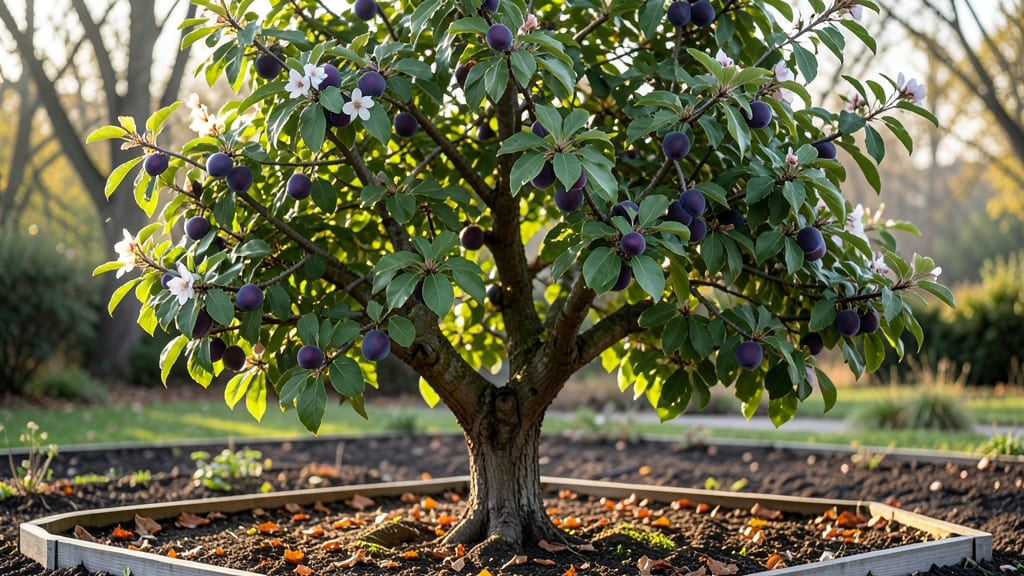
Identify plum tree leaves can fool even experienced gardeners—until you know the telltale details. 🌿 The key lies in those subtle curves, vein patterns, and edge textures that set them apart from cherries or apricots.
I’ve spent years comparing plum foliage to others, and once you spot these marks, identification becomes second nature.
Start with the oval shape—plum leaves are broader at the base than cherries, with a smooth, slightly pointed tip. The edges have fine, shallow teeth (like tiny serrations), while the veins form a delicate ladder pattern down the center.
European plums tend to be 1.5–3 inches long, while Japanese varieties stay smaller—1–2 inches—with a glossier finish.
Here’s the game-changer: hold a leaf up to light and watch how the veins fan out from the midrib. Plum leaves have 3–5 pairs of secondary veins that curve gently toward the edges, unlike the straighter veins of peach trees.
This pattern, combined with the toothy margins, narrows it down fast—even for confused beginners.
Confusion usually comes from cherry leaves (smoother edges) or peach leaves (fuzzy undersides). But once you train your eye on those vein curves and serrated edges, you’ll spot a plum from across the yard.
Pro tip: check the leaf scars on branches—plum buds have a single, rounded bud scale, another dead giveaway.
Understanding Leaf Stress Signals
Plum tree leaves don’t just change for aesthetic reasons—they’re sending visual distress signals when something’s off. Whether it’s a nutrient deficiency, pest invasion, or environmental strain, each leaf’s appearance tells a story.
Here’s why your plum tree’s foliage might be looking less than perfect, and what’s really going on behind the scenes.
Plum trees thrive within a specific comfort zone, and when conditions stray too far from ideal, leaves react fast. Extreme temperatures, drought, or even excessive moisture can trigger stress responses.
- Heat or Cold Shock: Prolonged exposure to high temperatures above 90°F (32°C) or freezing nights below 20°F (-7°C) can cause leaf scorch (brown, crispy edges) or frost damage (blackened, wilted patches). Plum trees are mesophytes, meaning they prefer moderate climates—push them too far, and their cells rupture or dehydrate.
- Water Woes:
- Drought Stress: When roots can’t absorb enough water, leaves curl inward to reduce surface area and conserve moisture. Vascular tissues (like the tree’s plumbing) may also collapse, leading to wilting or yellowing (chlorosis).
- Overwatering: Soggy soil cuts off oxygen to roots, triggering anaerobic conditions. Leaves turn yellow (iron deficiency mimic) or develop black, mushy spots as cells drown from root rot.
- Windburn: Relentless wind desiccates leaves by stripping their protective waxy cuticle. Look for bleached, papery edges or premature leaf drop—the tree is essentially sweating out moisture too fast.
💡 Pro Tip: Mulch around the base of your plum tree to regulate soil temperature and retain moisture. Aim for 1–2 inches of organic mulch (like wood chips) but keep it 6 inches away from the trunk to prevent rot.
Not all leaf changes are environmental—some are tiny, hungry invaders or microscopic pathogens wreaking havoc. Pests and diseases disrupt the tree’s ability to photosynthesize or transport nutrients, leading to visible damage.
- Insect Infestations:
- Sap-Sucking Pests (Aphids, Scale, Spider Mites): These pests pierce leaf cells to drink sap, injecting toxic saliva that causes yellow stippling, curled leaves, or sticky honeydew. Heavy infestations stunt growth by blocking chlorophyll production.
- Leaf-Chewing Bugs (Japanese Beetles, Cankerworms): Irregular holes, skeletonized leaves (veins remain), or notched edges? These critters are munching on chlorophyll-rich tissues, leaving the tree starving for energy.
- Fungal Infections:
- Powdery Mildew: A white, powdery coating on leaves isn’t dust—it’s fungal hyphae blocking sunlight. The tree’s stomata (pores) get clogged, reducing gas exchange and causing yellowing or premature leaf drop.
- Leaf Spot Diseases (e.g., Brown Rot): Dark, concentric rings or tar-like spots with yellow halos signal fungal spores. These pathogens destroy plant tissue, creating entry points for secondary infections.
- Bacterial Blights: Water-soaked, greasy spots that turn brown and ooze? Bacteria like Xanthomonas clog vascular tissues, preventing nutrient flow. Leaves may crinkle or drop early as the tree starves from the inside.
🔥 Action Step: If you spot honeydew, webs, or chewed leaves, inspect the undersides of leaves and new growth with a magnifying glass. Early intervention—like neem oil sprays or copper fungicides—can stop outbreaks before they spread.
Plum trees are heavy feeders, and when soil lacks key nutrients, leaves show the first signs of malnutrition. Each deficiency targets specific parts of the leaf because nutrients play unique roles in chlorophyll production and cell structure.
| Nutrient | Deficiency Signs | Why It Happens | Fix It |
|---|---|---|---|
| Nitrogen (N) | Pale yellow leaves (chlorosis), starting with older leaves. Stunted growth. | Nitrogen is the building block of chlorophyll. Without it, leaves can’t absorb sunlight efficiently. | Apply balanced fertilizer (10-10-10) in early spring or use composted manure. |
| Iron (Fe) | Interveinal chlorosis (yellow between veins, green veins). Common in alkaline soils. | Iron is immobile in plants—once deficient, older leaves show symptoms first. High pH locks out iron, even if it’s in the soil. | Use chelated iron supplements or lower soil pH with sulfur. |
| Magnesium (Mg) | Yellow patches between veins, starting on older leaves. Leaves may crinkle. | Magnesium is the center of chlorophyll molecules. Deficiency disrupts photosynthesis in mature leaves first. | Apply Epsom salt (magnesium sulfate) as a foliar spray or soil drench. |
| Potassium (K) | Yellowing at leaf edges (scorching), weak stems, or poor fruit development. | Potassium regulates water and disease resistance. Deficiency causes cell
Fixing Common Plum Tree Leaf IssuesPlum trees are resilient, but their leaves can signal trouble if you don’t act quickly. Whether it’s pests, disease, or environmental stress, knowing how to diagnose and treat problems ensures your tree stays healthy. Below, we’ve mapped out practical solutions for the most common issues, along with prevention tips to keep your plum tree thriving. Cause: Yellowing leaves (chlorosis) often mean your plum tree lacks iron, zinc, or magnesium—or it’s drowning in too much water. How to Fix It: 🔥 Test the Soil – Use a soil pH test kit (ideal range: 6.0–7.0 for plums). If the pH is too high, amend with sulfur or peat moss to lower it. 🍳 Fertilize Smartly – Apply a chelated iron supplement (like Ironite) or a balanced fertilizer (10-10-10) in early spring. Avoid over-fertilizing, which can burn roots. 👨🍳 Check Drainage – If soil stays soggy, improve drainage by adding compost or sand to heavy clay soil. Ensure pots (if potted) have drainage holes. ⏰ Adjust Watering – Water deeply 1–2 times per week (depending on climate) and avoid shallow, frequent watering. 💡 Prevention Tip:
Cause: Dark spots, powdery white patches, or leaf curl mean fungal infections like anthracnose or powdery mildew—common in humid conditions. How to Fix It: 🔥 Prune Infected Branches – Remove and dispose of (don’t compost) severely affected leaves and twigs to stop spread. 🍳 Apply Fungicide – Use copper fungicide or neem oil spray (mix 1 tbsp neem oil + 1 tsp mild soap per gallon of water). Spray every 7–10 days until new growth appears. 👨🍳 Improve Airflow – Thin out dense foliage to reduce humidity around the tree. ⏰ Water in the Morning – Wet leaves at night encourage fungal growth. Water early in the day so leaves dry quickly. 💡 Prevention Tip:
Cause: Tiny holes, skeletonized leaves, or sticky residue (honeydew) mean insects like Japanese beetles, aphids, or sawfly larvae are feasting on your plum tree. How to Fix It: 🔥 Handpick Pests – For Japanese beetles, drop them in soapy water during early morning when they’re sluggish. 🍳 Spray Insecticidal Soap – Mix 1.5 tbsp castile soap + 1 quart water and spray directly on pests (reapply after rain). 👨🍳 Use Nematodes or Bacillus thuringiensis (Bt) – For larvae (like sawfly), apply beneficial nematodes to the soil or Bt spray (safe for bees). ⏰ Set Up Traps – Hang pheromone traps for Japanese beetles before they appear in spring. 💡 Prevention Tip:
Cause: Brown, crispy edges or drooping leaves mean drought stress, extreme heat, or root damage. How to Fix It: 🔥 Deep Water Immediately – Soak the root zone slowly (1–2 inches per week) to encourage deep root growth. 🍳 Mulch Heavily – Apply 4–6 inches of wood chips or straw to retain moisture and cool roots. 👨🍳 Provide Shade Temporarily – Use shade cloth (30–50%) if temperatures exceed 90°F (32°C). ⏰ Check for Root Rot – If soil smells sour, the tree may have overwatered roots. Trim affected roots and repot (if in a container) with fresh soil. 💡 Prevention Tip:
By acting fast and addressing the root cause (literally and figuratively), your plum tree’s leaves will bounce back stronger than ever. 🌳💚 Frequently asked questions about plum tree leaves
1
How do I tell the difference between plum leaves and cherry leaves?Plum leaves have finely serrated edges (tiny teeth) while cherry leaves are smoother with entire margins. Plum leaves also tend to be broader at the base and have 3–5 pairs of curved secondary veins that create a ladder-like pattern, whereas cherry leaves have straighter veins. Check the leaf scars too—plum buds have a single rounded scale, while cherries often have multiple overlapping scales.
2
What do healthy plum tree leaves look like?Healthy plum leaves are oval-shaped with smooth, slightly pointed tips, measuring 1–3 inches long. They have a glossy green top and slightly paler underside with fine serrations along the edges. The veins form a delicate network, and the leaf should feel firm but flexible, not brittle or discolored. Young leaves may appear slightly fuzzy but should smooth out as they mature.
3
Can I identify plum tree species just from the leaves?You can narrow it down! European plums have larger leaves (1.5–3 inches) with more pronounced serrations, while Japanese plums have smaller, glossier leaves (1–2 inches). American plums (like the wild plum) tend to have narrower leaves with fewer teeth. For absolute certainty, check the fruit shape, tree size, and flower clusters—but leaves are a great starting point for most gardeners.
4
Why are my plum tree leaves turning yellow?Yellowing leaves (chlorosis) usually signals nutrient deficiency (like iron or magnesium) or overwatering. Check the soil pH—plums prefer 6.0–7.0. If the yellowing starts between veins, it’s likely iron deficiency; if it’s on older leaves, try Epsom salt (magnesium sulfate). For soggy soil, improve drainage immediately to prevent root rot.
5
How do I know if my plum tree leaves have pests?Look for tiny holes, sticky residue (honeydew), or curled edges—signs of aphids, Japanese beetles, or spider mites. Inspect the undersides of leaves with a magnifying glass for webs (mites) or chewed edges. If you see black sooty mold (a fungus growing on honeydew), it’s time to treat with insecticidal soap or neem oil. |