
Pruning
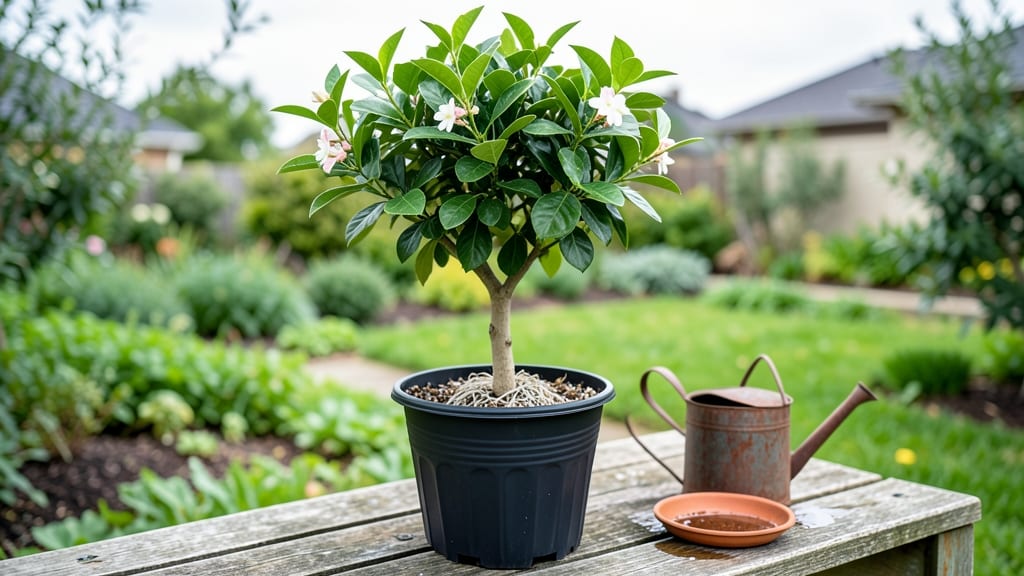
A 3-gallon tree size means you're starting with young trees that usually stand between 18 to 36 inches tall, but their growth speed varies dramatically by species—fast growers like willows can shoot up to 10 feet in just 3 years, while fruit trees might take 5+ years to mature. The best time to prune these young trees is late winter to shape them without triggering spring sap flow.
A 3-gallon tree's height isn't the only factor—its growth potential depends heavily on species and care. 🌱 Fast growers like willow or silver maple can double in height within a single season, while fruit trees or oaks grow more steadily.
I always recommend checking your local hardiness zone, as climate plays a huge role in how quickly these trees establish themselves. For example, a poplar might reach 6 feet in its first year in warm climates but only 3 feet in cooler regions.
When it comes to pruning, timing matters just as much as technique. Late winter is ideal because the tree is dormant, making it less stressful. I use sterilized pruners to make clean cuts just above a bud or branch collar—this prevents disease and encourages healthy regrowth.
For young trees, I focus on removing any crossing branches or dead wood first, then shape the canopy to prevent future crowding.
💡 In This Article
- Growth Rate Factors for 3-Gallon Trees
- Pruning 3-Gallon Trees for Healthy Shape and Size
Growth rate factors for 3-Gallon trees
The growth rate of a 3-gallon tree depends heavily on its species and genetic makeup. Fast-growing varieties like willow or silver maple can add 3-5 feet per year under ideal conditions, thanks to their aggressive root systems and rapid cell division.
These species prioritize height growth over root development, which is why they establish quickly but may need staking. In contrast, slower growers like apple or oak trees focus on structural strength, adding only 6-12 inches annually while building dense wood.
Climate plays a surprising role in growth speed. Trees in USDA zones 8-10 often grow 20-30% faster than those in cooler zones due to longer growing seasons. For example, a 3-gallon crape myrtle might reach 8 feet in its first year in Florida but only 4 feet in New England.
Soil quality matters just as much—well-draining loam with 2-3% organic matter supports faster growth than heavy clay. I've seen poplar trees triple in height when planted in amended soil versus struggling in native clay.
Watering habits create dramatic differences too. Newly planted 3-gallon trees need 1-1.5 gallons of water per week during their first season, but overwatering can suffocate roots. Fast growers like willows actually thrive with daily watering in dry climates, while drought-tolerant species like redbuds prefer deep watering every 10-14 days.
The key is maintaining consistent moisture in the root zone while preventing waterlogged conditions that trigger rot.
Seasonal growth patterns reveal why late winter pruning works best. Most trees undergo 80% of their annual growth between April and September, with a brief dormant period in winter. This dormancy allows you to prune without stimulating new growth that could be damaged by frost.
Fast growers like weeping willows might show new shoots within 4-6 weeks of spring pruning, while oaks take 8-12 weeks to respond.
Light exposure creates another critical factor. Trees planted in full sun (6+ hours daily) grow 15-25% taller than those in partial shade due to increased photosynthesis. I've noticed this especially with 3-gallon fruit trees—apples and peaches develop stronger canopies when given morning sun.
However, shade-loving species like dogwoods actually grow more slowly in full sun, which is why proper placement matters more than just growth speed.
Here's what this means for your planting strategy: Fast growers need regular pruning to maintain shape, while slow growers benefit from more aggressive early pruning to establish strong branch structure.
The first year is critical—proper care can determine whether your 3-gallon tree becomes a towering specimen or struggles to establish. 🌱