
Size
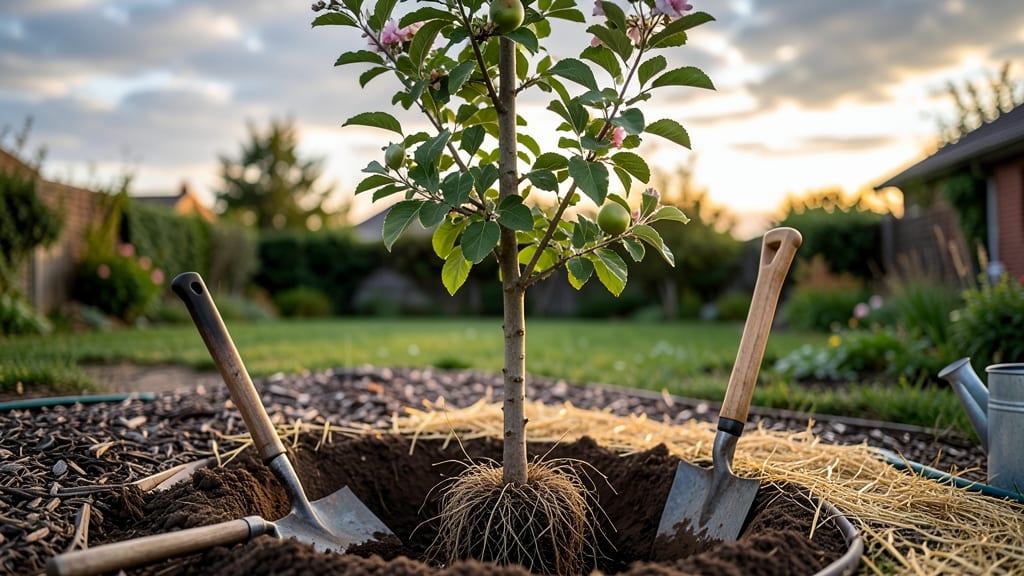
If you plant an apple seed from store-bought fruit, it won’t grow into the same variety of tree—most commercial apples are hybrids that don’t reproduce true to type. You can still grow a tree from the seed, but it may take 5–10 years to bear fruit, and the apples won’t taste like the parent. For a reliable apple tree, choose a grafted nursery sapling instead.
That’s because commercial apples are often crossbred for specific traits like size, color, or sweetness, and their seeds produce unpredictable offspring. 🌱 What you’ll likely end up with is a wild-type tree that bears small, tart apples—think crabapples rather than Honeycrisp. The good news?
Growing from seed is still a fun experiment, especially for kids learning about plant biology. Just be patient—seed-grown trees require years of care before they even think about fruiting, and even then, the results won’t match the grocery store variety.
For a guaranteed tree that produces the apples you love, skip the seed and opt for a grafted sapling from a nursery. These trees are created by attaching a scion (a cutting from the desired apple variety) onto a rootstock, ensuring the fruit matches the parent plant.
Plus, grafted trees fruit much faster—often within 3–5 years—making them the practical choice for home gardeners. If you’re still curious about seed-growing, try experimenting with heirloom apple varieties known for better seed viability, like Granny Smith or Fuji.
💡 In This Article
- Why Store-Bought Apple Seeds Rarely Yield Real Trees
- Step-by-Step Guide to Growing an Apple Tree from Seed
Why store-bought apple seeds rarely yield real trees
Commercial apple varieties are the result of decades of selective breeding to create fruits with specific traits—sweetness, size, or vibrant colors—like the Gala or Fuji you find in stores. These apples are often cross-pollinated hybrids, meaning their seeds carry a mix of genes from multiple parent trees.
When you plant one, you’re essentially rolling the genetic dice: the resulting tree might produce small, tart apples resembling wild crabapples rather than the juicy, flavorful fruit you started with. 🌱
The unpredictability comes down to genetics. Apple trees reproduce sexually through seeds, which means each seed contains a unique combination of traits from two parent trees. This process, called cross-pollination, leads to what scientists call genetic recombination.
For example, a seed from a Granny Smith apple might grow into a tree that bears apples with a mix of tart and sweet flavors, none of which will taste like the original.
Even if the tree does fruit, it could take 8-10 years—far longer than the 3-5 years you’d expect from a grafted tree.
There’s also the issue of dormancy. Apple seeds require a period of cold stratification—typically 60-90 days at temperatures between 34-41°F—to break their natural dormancy and germinate. Without this cold treatment, the seeds may rot or fail to sprout altogether.
Once they do grow, the seedlings are often weak and prone to disease, requiring careful nurturing to survive their first few years. This is why most store-bought apple seeds never make it past the seedling stage, even with proper care.
Even if you manage to grow a seedling into a mature tree, the apples it produces will likely be smaller, tarter, and less uniform than commercial varieties.
This is because seed-grown trees inherit a mix of wild traits from their ancestors, which often include bitter flavors and tough skins. For comparison, a grafted tree—where a cutting from a desired variety is attached to a strong rootstock—guarantees the fruit will match the parent plant’s characteristics.
The rootstock also provides disease resistance and faster growth, making grafted trees the gold standard for home orchards.
For those who still want to try seed-growing, focus on heirloom varieties like Ashmead’s Kernel or Dabinett, which are known for better seed viability and more predictable fruit. These varieties were bred before modern hybridization techniques, so their seeds are more likely to produce trees with recognizable traits.
However, even with heirloom seeds, expect a 50% chance of the tree bearing fruit that resembles the parent—nature’s way of keeping things interesting! 🌳
If your goal is to enjoy apples from your own tree, the science clearly points to grafting as the reliable method. But if you’re intrigued by the unpredictability of seed-growing, it’s a fascinating (if slow) experiment that teaches valuable lessons about plant genetics and patience.
Just don’t expect to harvest apples for your pie in a hurry!