
Pruning
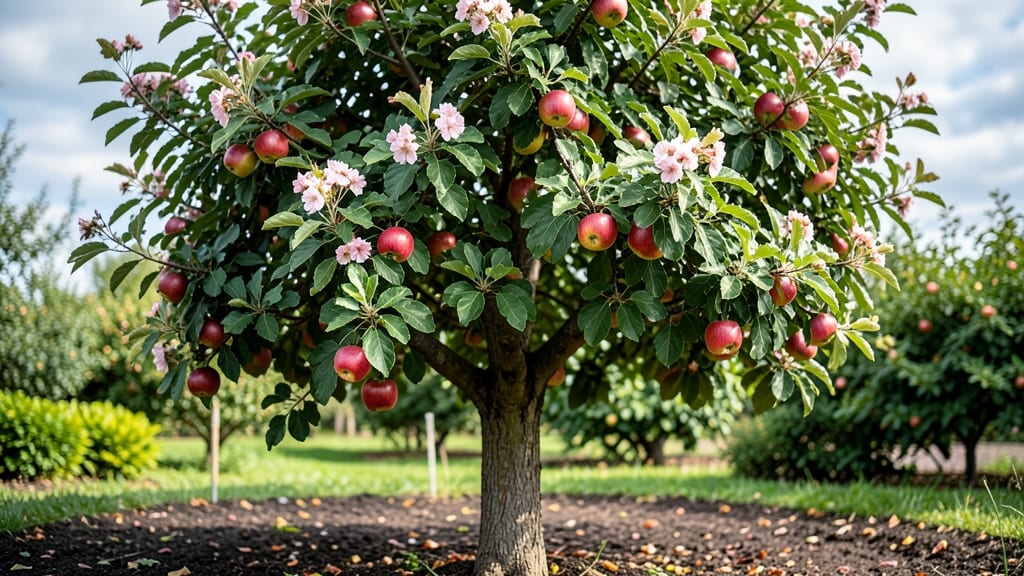
A Honeycrisp apple tree with controlled height can reach 15 to 25 feet tall if left unpruned, towering over your backyard like a small oak—unless you take control of its growth early.
Picture this: You’ve spent months nurturing your sapling, only to realize it’s outgrown your patio by summer’s end. The good news? With the right rootstock and pruning plan, you can keep it at a manageable 8 to 12 feet—perfect for small yards or containers.
In this guide, I’ll break down how rootstock type determines height, spacing rules to avoid crowding, and pruning secrets that boost fruit production without sacrificing space.
You’ll learn exactly how tall your Honeycrisp will get, when to prune for optimal shape, and which dwarf varieties fit tight spaces—so your tree stays healthy and harvestable.

Honeycrisp apple tree height: mature size chart by rootstock type
Choosing the right Honeycrisp apple tree for your space starts with understanding rootstock types—because these determine how tall your tree will grow. A standard Honeycrisp can reach 20-25 feet, while dwarf varieties stay under 8 feet.
The rootstock you pick directly impacts tree height, canopy spread, and even fruit production.
If you're working with limited space, dwarf rootstocks are your best bet—they produce fruit faster and require less pruning. But if you have room for a standard-sized tree, you'll enjoy bigger harvests and classic apple tree aesthetics.
Let’s break down the mature height of Honeycrisp trees by rootstock type so you can plan your orchard like a pro.
For small gardens or container growing, dwarf rootstocks like M.9 or B.9 are ideal—they’ll stay under 8 feet tall and produce fruit in just 2-3 years. These compact trees also require less pruning and are perfect for patios or urban spaces where space is tight.
If you have a larger backyard, semi-dwarf rootstocks like MM.106 offer a happy medium—they reach 12-16 feet but still fit well in most home landscapes. These trees strike a balance between fruit yield and manageable size, making them a favorite for serious home orchards.
Standard rootstocks, often grown from seedlings or MM.101, are the tallest option, reaching 18-25 feet at maturity. While they require more space and pruning, they produce the largest harvests and are ideal for rural properties or commercial orchards.
Just be prepared for longer wait times—these trees take 5-7 years to bear fruit.
Pro tip: Always check your local frost dates when planting. Dwarf trees may need winter protection in colder zones, while taller trees benefit from deep root systems that handle frost better.
For example, in USDA Zone 5, a semi-dwarf might need a windbreak, while a standard tree can handle harsher winters.
Spacing is another critical factor. Plant dwarf trees 8-10 feet apart, semi-dwarfs 12-15 feet apart, and standard trees 20-25 feet apart to ensure proper airflow and sunlight. Poor spacing leads to disease risk and reduced fruit quality, so plan ahead!
Remember, pruning plays a huge role in managing height. Even dwarf trees need annual pruning to maintain shape and encourage fruit production. Use sharp pruners in late winter or early spring to remove dead wood and suckers—this keeps your tree healthy and under control.
No matter which rootstock you choose, your Honeycrisp apple tree will reward you with juicy, sweet fruit if you give it the right space and care.
Start small with a dwarf variety if you're new to apple growing, or go big with a standard tree if you have the room—just be patient, and you’ll enjoy a lifetime of harvests! 🍎
How pruning affects Honeycrisp apple tree height and fruit production
Pruning your Honeycrisp apple tree isn't just about keeping it looking neat—it's a game-changer for controlling tree height and boosting fruit production. Without proper pruning, these trees can reach 15-25 feet tall, making them difficult to manage in small yards.
But with the right techniques, you can keep your tree at a manageable size while ensuring a bountiful harvest every year. The key is timing, tools, and knowing which branches to trim.
Timing is everything when it comes to pruning. The best time to prune your Honeycrisp apple tree is during late winter or early spring, just before new growth begins. This allows you to see the tree's structure clearly and encourages healthy growth for the season.
Avoid pruning in fall, as this can stimulate new growth that won't harden off before winter, making it vulnerable to frost damage.
Gather the Right Tools
You'll need sharp pruning shears for small branches, loppers for medium-sized branches, and a pruning saw for thicker branches. Don't forget to sterilize your tools with rubbing alcohol to prevent the spread of disease.
Identify and Remove Dead or Diseased Branches
Start by removing any dead, diseased, or crossing branches. These branches can harbor pests and diseases, and crossing branches can create wounds that invite infections. Cut these back to the branch collar for a clean cut.
Thin Out the Canopy
To control tree height and improve air circulation, thin out the canopy by removing 10-20% of the branches. Focus on branches that are growing inward or rubbing against each other. This step also helps maximize fruit production by allowing sunlight and air to reach the center of the tree.
Shape the Tree for Optimal Growth
Use open-center or central leader pruning to shape your tree. For dwarf varieties, aim for a 6-8 foot height, while semi-dwarf trees can be kept at 12-15 feet. Avoid cutting back the main leader too much, as this can stunt the tree's growth and reduce fruit production.
Encourage Fruit Production
Prune to promote fruit-bearing branches by cutting back last year's growth to just above a bud or lateral branch. This encourages the tree to produce more fruit spurs, which are the small, stubby branches where apples form. Avoid over-pruning, as this can reduce the tree's ability to produce fruit.
Clean Up and Monitor
After pruning, remove all debris from the area to prevent disease. Monitor your tree throughout the growing season, and perform light pruning as needed to maintain its shape and size. Regular maintenance will keep your Honeycrisp apple tree healthy and productive for years to come.
One of the most common mistakes I see is over-pruning, which can stress the tree and reduce fruit production. Always aim to remove no more than 20-25% of the tree's foliage in a single session.
Another mistake is pruning at the wrong time of year, such as summer pruning, which can stimulate weak, late-season growth that's vulnerable to frost. Stick to the late winter or early spring schedule for best results.
If you're dealing with a young Honeycrisp apple tree, focus on establishing a strong structure early on. This means removing suckers (shoots growing from the base) and water sprouts (vertical shoots growing from the trunk or branches).
These can divert energy away from fruit production and make the tree look unkempt. With the right pruning approach, you can keep your tree at a manageable height while enjoying a