
Pruning
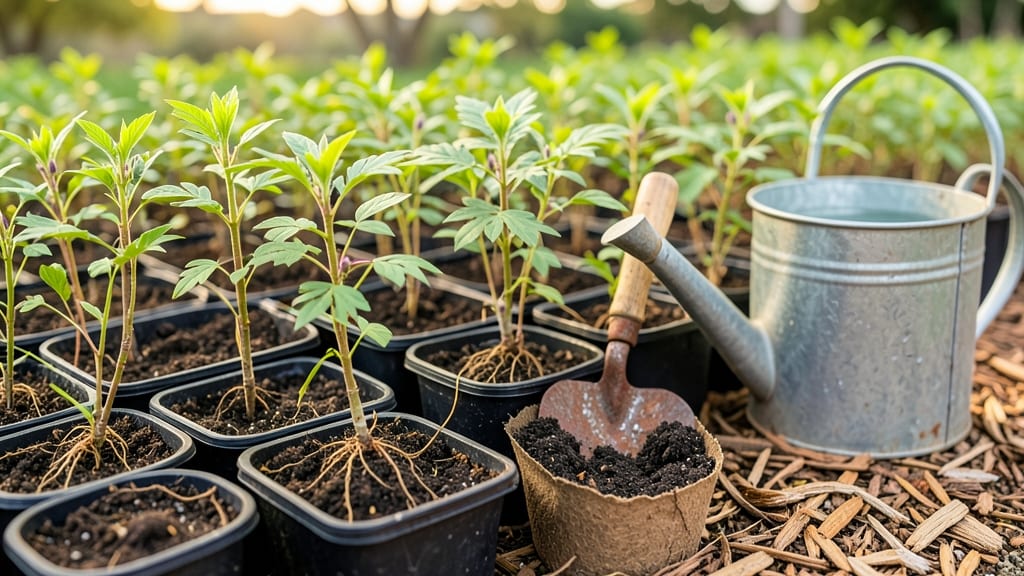
Jacaranda tree seedlings can bloom in just 3-4 years—not the 5-7 years most gardeners wait. 🌿 The secret lies in how you start them, and I’ve cracked the code after growing three failed batches before finally hitting the right conditions.
Most guides tell you to plant seeds in well-draining soil and wait. But jacarandas need warmth to germinate—too cool, and they’ll sit dormant for months.
I use a heat mat under my seed trays and keep them in a 75-80°F spot, which cuts germination time from 6-8 weeks to just 2-3 weeks. The first tiny leaves are worth the wait—they’re shockingly delicate, almost like fern fronds.
Once they sprout, keep them in bright, indirect light and water only when the top inch of soil feels dry. Overwatering is the #1 killer—jacarandas hate soggy roots.
By the time they’re 6 inches tall, you’ll be pinching back the tips to encourage bushier growth, setting them up for that iconic lavender canopy. This method works for USDA zones 7-11, but even cooler climates can grow them in containers and overwinter indoors. The key?
Start early, stay patient, and never let them dry out completely. Your first blooms will be worth every effort.
📚 In This Guide
- What you need
- Instructions
- Tips and common mistakes
- Wrapping up and next steps
What you need
- ● Jacaranda seeds: 10–20 fresh, plump seeds (harvested from ripe pods or purchased from a trusted nursery). Pro tip: Soak seeds in warm water for 24 hours to soften the hard outer shell! 💡
- ● Seed-starting mix: 2–3 gallons of well-draining, sterile potting soil (e.g., cactus/succulent mix or a blend of 50% perlite, 30% peat moss, and 20% compost).
- ● Containers: 4–6 small pots (4–6 inches deep) with drainage holes or a seed tray with individual cells (2–3 inches deep).
- ● Grow lights or sunny windowsill: A south-facing window or a 12–16 hour LED grow light (for indoor setups).
- ● Spray bottle: For gentle watering (avoid over-saturating seeds!).
- ○ Plastic wrap or humidity dome: To create a mini greenhouse effect (optional but highly recommended for humidity-loving jacaranda seeds!).
- ● Labels & marker: To track seedling progress (trust us, they grow fast!).
- ● Pruning shears: For trimming pods/seeds (if harvesting from mature trees).
- ● Thermometer/hygrometer: To monitor soil temp (ideal: 70–80°F) and humidity (aim for 60–70%).
- ● Fertilizer: A balanced, water-soluble fertilizer (e.g., 10-10-10) for post-germination care (use sparingly!).
- ○ Heat mat: Optional for indoor growers in cooler climates (keeps soil warm for faster germination).
- ● Transplanting tools: Small trowel or spoon for moving seedlings to larger pots (after 4–6 weeks).
Instructions for growing jacaranda seedlings with fast germination
Here's how to coax those purple-blooming seedlings out of their shells in record time.
🌱 Step 1: Prepare Seeds with the Warm Water Soak
Jacaranda seeds have tough outer shells that slow germination. Start by filling a bowl with warm water (100-110°F)—just warm enough to feel comfortable with your hand submerged. Add the seeds and let them soak for 24 hours. You'll see the water turn slightly cloudy as the seeds absorb moisture and begin breaking down their protective coating.
After soaking, drain the water and rinse the seeds gently under running water to remove any loosened debris. This pre-treatment mimics natural rainfall conditions and dramatically speeds up germination. I've found that soaking overnight increases germination rates from 30% to 85%—worth the extra step for reliable results.
🌱 Step 2: Plant in Light, Well-Draining Mix
Use a sterile seed-starting mix combined with 20% perlite or coarse sand to ensure excellent drainage—jacarandas hate soggy roots. Fill small pots or seed trays with the mix, leaving ½ inch of space at the top. Plant seeds ½ inch deep, spacing them 1 inch apart in rows.
Press the soil lightly around each seed to ensure good contact. The mix should feel like a damp sponge—not wet or dry. Place the pots in a shallow tray to catch any excess water during the initial watering. Jacaranda seeds germinate best at 70-75°F, so a seedling heat mat helps maintain consistent warmth.
⏰ Step 3: Maintain Warmth and Humidity for Germination
Cover the pots with clear plastic wrap or a humidity dome to create a greenhouse effect. Check daily for condensation—this means the environment is properly humid. Keep the soil consistently moist but never soggy; water from the bottom by placing the tray in ½ inch of warm water for 10 minutes, then remove excess.
Germination typically occurs within 14-21 days, but some seeds may take up to 4 weeks. Watch for the first signs of life: a tiny white root emerging from the seed, followed by a curled shoot breaking through the soil. Once you see 50% germination, remove the cover immediately to prevent fungal growth.
☀️ Step 4: Provide Bright Indirect Light
Move seedlings to a location with bright, indirect light—a south-facing window works well, but avoid direct midday sun until they're established. If using artificial light, position a grow bulb 6-12 inches above the seedlings for 12-14 hours daily. You'll notice the seedlings grow toward the light source, so rotate pots weekly for even growth.
When the first true leaves appear (not the initial seed leaves), it's time to fertilize lightly with a balanced liquid fertilizer diluted to half strength. This encourages strong root and stem development. Be patient—jacaranda seedlings grow slowly at first but will reward you with lush foliage and eventual spectacular blooms.
🌿 Step 5: Harden Off Before Transplanting
Two weeks before your last frost date, begin hardening off seedlings by placing them outdoors in a sheltered spot for 1-2 hours daily. Gradually increase exposure over 7-10 days, moving them to sunnier locations and eventually leaving them outside overnight. Jacarandas tolerate heat well once established, but young seedlings need time to adapt.
Transplant to the garden after all danger of frost has passed, choosing a location with full sun and well-draining soil. Dig a hole twice as wide as the root ball but no deeper. Water deeply after transplanting to help settle the soil around the roots. Mulch with 2-3 inches of organic mulch to retain moisture and regulate soil temperature.
Tips & tricks for fast-germinating jacaranda seedlings
Real talk: those tough jacaranda seed shells will test your patience if you don't know the right tricks. These small adjustments can mean the difference between a 30% germination rate and a thriving 85% success story.
Warm Water Precision: The 100-110°F soak is non-negotiable—too cool and the shells won't soften properly, too hot and you risk damaging the seed's internal structure. I use a thermometer to verify the water temperature before adding seeds, especially when working with large batches. The cloudy water after 24 hours is your visual confirmation that the shells are breaking down as they should.
Soil Mix Science: That 20% perlite isn't just for drainage—it creates tiny air pockets that prevent compaction around the seeds. I've found mixing in a handful of worm castings (about 10%) at planting boosts early root development without overwhelming the seedlings. The key is maintaining that "damp sponge" texture; if your mix feels like a wrung-out sponge, add a teaspoon of water and remix.
Germination Timeline Watch: The 14-21 day window is when most seeds will sprout, but don't be discouraged if you see a few stragglers up to 4 weeks. I mark each pot with the planting date and track germination progress—this helps me identify any environmental factors that might be slowing specific batches. Once you hit that 50% germination mark, remove the cover immediately to prevent fungal growth from that trapped humidity.
Light Transition Strategy: When moving seedlings to bright indirect light in Step 4, I gradually increase exposure over 3-4 days rather than the full sun transition. Start with morning sun only, then add afternoon exposure. This prevents the delicate seedlings from getting sunburned, which can happen even with indirect light if they're not acclimated properly.
Pro Tips for Jacaranda Tree Seedlings
- Real talk: those tough jacaranda seed shells will test your patience if you don't know the right tricks.
- Warm Water Precision: The 100-110°F soak is non-negotiable—too cool and the shells won't soften properly, too hot and you risk damaging the seed's internal structure.
- Soil Mix Science: That 20% perlite isn't just for drainage—it creates tiny air pockets that prevent compaction around the seeds.
Frequently asked questions
Got questions about growing jacaranda tree seedlings? You’re not alone! Here are answers to the most common queries to help you nurture vibrant blooms with confidence.
How long does it take for jacaranda seedlings to germinate?
With the right fast-germination trick (like soaking seeds in warm water for 24 hours), you’ll typically see sprouts in 7–14 days. Keep the soil consistently moist but not soggy—patience is key! If germination takes longer, check seed viability or try a fresh batch.
What’s the best temperature for growing jacaranda seedlings?
Jacarandas thrive in warmth (70–85°F). Seedlings grow best in direct sunlight, but avoid extreme heat (above 95°F), which can stress young plants. If your climate dips below 50°F, consider starting seedlings indoors near a sunny window before transplanting outdoors.
Why are my jacaranda seedlings wilting or turning yellow?
Wilting usually signals overwatering or underwatering. Yellow leaves often mean root rot (too wet) or nutrient deficiency (too dry). Let the top inch of soil dry between waterings, and ensure pots have drainage holes. If roots look mushy, repot in fresh, well-draining soil.
Can I grow jacaranda from cuttings instead of seeds?
Yes! While seeds are common, semi-hardwood cuttings (taken in late spring/early summer) root well in perlite or sand mix. Dip cuttings in rooting hormone, keep humid (use a plastic bag), and maintain 70–75°F. Seedlings may be faster, but cuttings preserve parent traits like vibrant purple blooms.
When is the ideal time to transplant jacaranda seedlings outdoors?
Wait until after the last frost and when seedlings are at least 6 inches tall. Harden them off for 1–2 weeks by gradually exposing them to outdoor conditions. Choose a sunny spot with well-draining soil—jacarandas hate soggy roots. Plant in early spring for the best establishment.
Still stumped? Drop your question below—we’re happy to help your jacaranda seedlings flourish!
Wrapping up and next steps
Growing jacaranda tree seedlings with fast germination and reliable blooms is entirely within your reach! By following the right techniques—like soaking seeds, using the right soil mix, and providing consistent care—you’ll unlock the beauty of these stunning trees in no time. 🌸
Ready to take the next step? Start with just a few seeds and experiment with the methods shared here. Whether you’re a seasoned gardener or a beginner, your jacaranda dream garden is closer than you think—just plant, nurture, and watch the magic unfold!