
Diseases
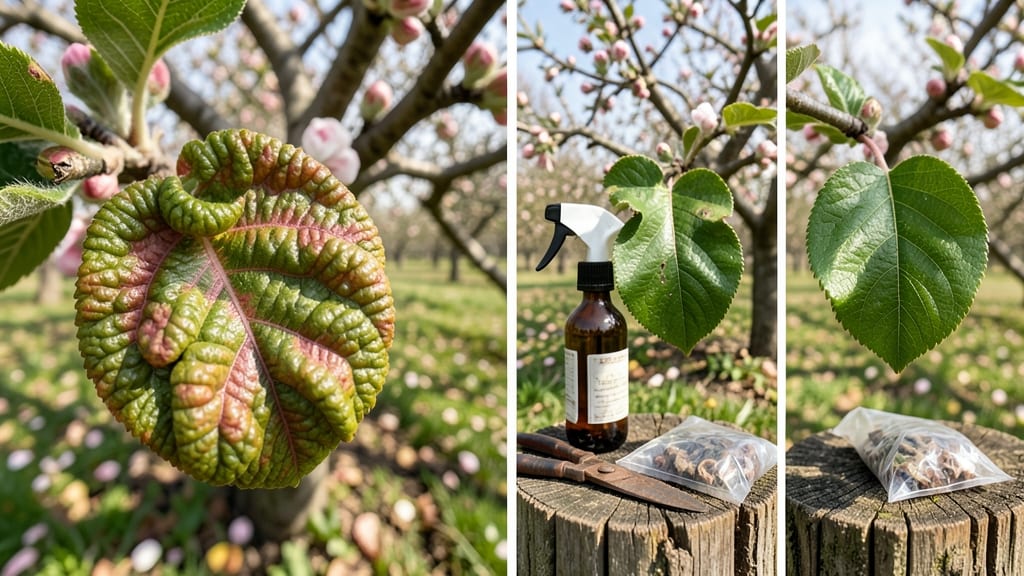
Your apple tree’s crinkled, curled leaves aren’t just ugly—they’re a red flag for leaf curl, a stubborn fungal disease that weakens trees year after year. 🌿 I’ve battled this in my own orchard, and the difference between saving a tree and losing it often comes down to acting fast and choosing the right treatments.
The good news? With the right approach, you can stop the spread and restore your tree’s health—even if it’s already showing symptoms.
Leaf curl thrives in cool, wet springs, when fungal spores splash onto young leaves and trigger that unmistakable curling. The first signs? Leaves pucker up like tiny scrolls, turn red or purple, then drop prematurely.
If left untreated, the tree’s energy drains, fruit production plummets, and branches weaken over time. But here’s the key: this disease spreads through spores, not direct contact, so containment is possible with the right steps.
You’ll start by pruning infected branches (sterilize your tools between cuts!), then apply fungicides at the right time—before buds swell in early spring. Organic options like copper spray work well, but severe cases may need stronger chemical treatments.
The goal isn’t just to treat the symptoms but to break the fungal cycle entirely, so your tree can bounce back stronger next season.
Prevention is where the real victory lies: remove fallen leaves in autumn, avoid overhead watering, and choose resistant apple varieties if you’re starting fresh. I’ve seen trees recover completely with consistent care, but the window to act is narrow—don’t wait until the damage is done.
Let’s get your tree back to full, healthy growth.
Root Causes Behind Leaf Curl
Apple trees are resilient, but their leaves can develop unsightly curls and deformities when fungal pathogens—like Venturia inaequalis (the apple scab fungus)—take hold. Understanding the why behind leaf curl is the first step to stopping it before it spreads.
Below, we break down the key triggers, from environmental stressors to microbial invaders, so you can protect your orchard or backyard tree.
Leaf curl in apple trees is most commonly caused by Venturia inaequalis, the fungus responsible for apple scab. Here’s how it works:
- Spores spread via wind and rain: The fungus overwinters in fallen leaves, releasing spores in spring when temperatures rise and moisture lingers. These spores land on young leaves, germinating and infecting the tissue.
- Optimal conditions for infection: Cool, wet springs (50–70°F) create the perfect storm for fungal growth. High humidity (above 75%) and frequent rainfall extend the infection window.
- Symptoms evolve: Infected leaves first develop olive-green spots that turn dark and velvety. Over time, they thicken, curl upward, and may drop prematurely, weakening the tree.
Pro tip: 💡 Remove and destroy infected leaves in fall to break the fungus’s life cycle. Avoid composting them—heat treatment (140°F for 30+ minutes) is safer.
While fungi are the direct cause, environmental factors invite infections by weakening tree defenses. Key triggers include:
| Factor | How It Helps Fungi | Actionable Fix |
|---|---|---|
| 🌧️ Excessive Moisture | Prolonged leaf wetness (e.g., morning dew, rain) gives spores extra time to infect. | Improve drainage; water at the base (not overhead) and avoid late-day watering. |
| 🍃 Poor Air Circulation | Dense foliage traps humidity, creating microclimates ideal for fungal spores. | Prune to open the canopy; space trees 15–20 ft apart for airflow. |
| 🌡️ Temperature Swings | Rapid shifts (e.g., warm days followed by cool nights) stress trees, making them susceptible. | Mulch with wood chips to stabilize soil temps; use shade cloth in extreme heat. |
A weakened apple tree is an open invitation for leaf curl. Common signs of stress include:
- Nutrient deficiencies: Low nitrogen or zinc can stunt growth, leaving leaves thin and prone to infection. Test soil pH (ideal: 6.0–6.5) and amend with compost or organic fertilizers.
- Physical damage: Hail, pests (like aphids), or improper pruning create entry points for fungi. Seal wounds with pruning sealant if needed.
- Root issues: Compacted soil or root rot restrict water/nutrient uptake. Aerate soil and avoid overwatering.
Pro tip: 🌱 Feed trees in early spring with a balanced fertilizer (10-10-10) to boost resilience before fungal spores activate.
By addressing these root causes—fungal pressure, environmental conditions, and tree health—you can dramatically reduce leaf curl outbreaks. Next, we’ll cover how to diagnose symptoms early and choose the right treatments.
How to solve it
Leaf curl in apple trees might feel like a losing battle, but with the right approach, you can restore your tree’s health and prevent future outbreaks. Below, we’ve mapped out targeted solutions for each cause—from fungal infections to environmental stressors—alongside preventive measures to keep your orchard thriving.
Let’s tackle this step by step!
Fungal leaf curl is the most common culprit, and the key to beating it lies in early action and consistent care.
🔥 Step 1: Prune Infected Branches
- When: Late winter or early spring (before buds swell) or immediately after harvest.
- How: Remove all infected leaves, twigs, and branches—even small ones.
Fungi overwinter in debris, so don’t leave anything behind! - Pro Tip: Sterilize pruners with 70% rubbing alcohol or a 10% bleach solution (1 part bleach to 9 parts water) between cuts to avoid spreading spores. ✨
🍳 Step 2: Apply Fungicides Strategically
- Best Products:
- Copper-based fungicides (e.g., Bordeaux mixture) – Organic and effective.
- Sulfur or neem oil sprays – Great for preventive care (apply when buds are still closed).
- Synthetic fungicides (e.g., captan, myclobutanil) – Use these if the infection is severe.
- Timing:
- First spray: Just before bud break (when silver tips appear on buds).
- Second spray: 7–10 days later.
- Third spray: After petal fall (when flowers drop).
- How to Apply: Use a sprayer with a fine mist to coat both sides of leaves thoroughly.
Aim for high-volume coverage—fungi hide in crevices!
👨🍳 Step 3: Improve Air Circulation
Fungi thrive in humid, stagnant conditions. Help your tree by:
- Thinning out branches to reduce overcrowding.
- Spacing trees 15–20 feet apart (if replanting).
- Watering at the base (avoid overhead sprinkling, which spreads spores).
🌡️ Step 4: Boost Tree Resilience
A healthy tree fights infections better. Feed your apple tree with:
- Balanced fertilizer (10-10-10 or 5-10-10) in early spring.
- Compost or organic matter around the root zone to improve soil health.
- Avoid over-fertilizing with nitrogen—it encourages soft, fungal-prone growth.
If your tree’s curl is due to drought, frost, or nutrient deficiencies, the fix is simpler but still critical.
💧 Step 1: Hydrate Properly
- Deep watering once a week (1–1.5 inches of water) is better than shallow, frequent watering.
- Mulch around the base (2–3 inches of wood chips or straw) to retain moisture and regulate soil temperature.
- Avoid waterlogging—apple trees hate soggy roots!
🌡️ Step 2: Protect from Temperature Shocks
- Frost damage? Prune damaged branches in late winter (after the worst cold passes).
- Heat stress? Provide light shade (e.g., shade cloth) during extreme heatwaves, especially for young trees.
🍎 Step 3: Correct Nutrient Imbalances
- Yellowing leaves? Test soil for nitrogen (N) or magnesium (Mg) deficiencies and amend with:
- Epsom salt (for magnesium) – 1 tablespoon per gallon of water, sprayed on leaves.
- Fish emulsion or compost tea (for nitrogen).
- Purple stems? Likely phosphorus (P) deficiency—add bone meal to the soil.
An ounce of prevention is worth a pound of cure! Here’s how to stop leaf curl before it starts:
🌱 Year-Round Orchard Hygiene
- Clean up fallen leaves and debris in fall and spring (bag and compost them far from the tree).
- Remove mummified fruit (shriveled apples) from the ground—they’re fungal hotspots!
- Disinfect tools after pruning (even if no signs of disease).
🎯 Smart Planting Practices
- Choose resistant varieties like ‘Liberty,’ ‘Enterprise,’ or ‘Akane’ if fungal diseases are rampant in your area.
- Plant in well-draining soil—waterlogged roots weaken trees.
- Avoid planting apple trees in low-lying areas where cold air (and fungi) settles.
🔄 Rotate Fungicide Classes
If you use chemical fungicides, rotate between different active ingredients (e.g., copper → sulfur → synthetic) to prevent resistance.
🐝 Encourage Beneficial Insects
- Ladybugs, lacewings, and parasitic wasps help control pests that stress trees.
- Plant companion flowers (e.g., alyssum, dill) near your apple trees to attract them.
Final Thought: 💡 Leaf curl doesn’t have to be a death sentence—combine pruning, fungicides, and preventive care, and your apple tree will bounce back stronger. Start with the fixes for your specific cause, then lock in those prevention habits to keep your orchard healthy for years! 🍏🌿
Frequently asked questions about apple tree leaf curl
How can I tell if my apple tree has leaf curl disease?
Look for leaves that curl upward and thicken, often turning red or purple. You may also spot olive-green spots that darken into velvety patches. These symptoms appear in spring when new leaves emerge, and infected leaves often drop prematurely.
Is leaf curl contagious between apple trees?
Yes, but only through fungal spores—not direct contact. Spores spread via wind, rain, and tools, so always sterilize pruners and remove infected debris to prevent cross-contamination between trees.
When is the best time to treat leaf curl?
Start treatments before buds swell in early spring (when silver tips appear). Apply fungicides again at 7-10 day intervals for 3 applications total. Waiting until symptoms appear means the fungus has already taken hold.
Will copper spray harm my apple tree?
No, when used correctly. Copper-based fungicides are safe for organic gardening and effective against leaf curl. Just follow label instructions—overapplying can damage leaves. Apply in early morning to avoid sunburn on wet foliage.
Can I save a heavily infected apple tree?
Yes, but act fast! Remove all infected branches, apply fungicides aggressively, and improve air circulation. For severe cases, consult an arborist—some trees may need systemic treatments to recover fully. Regular care afterward is crucial to prevent recurrence.