
Diseases
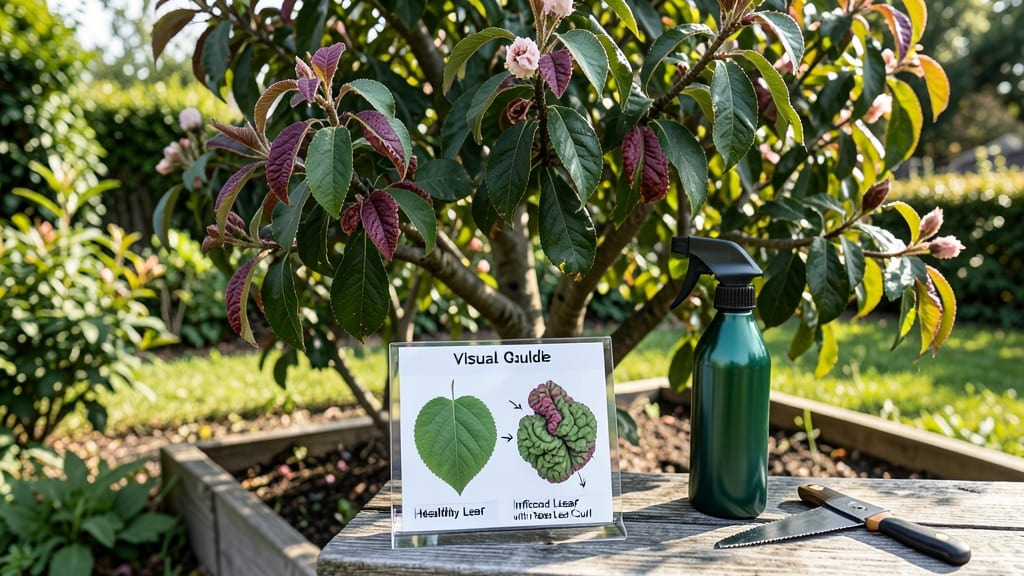
Peach tree diseases like leaf curl turn your spring blooms into thick, twisted messes—but it’s fixable. 🌿 I’ve battled this fungal blight for years, and these three steps saved my trees from permanent damage. The key? Catching it early, pruning right, and stopping the spores before they spread.
First, you’ll need to identify the problem: curled, leathery leaves that stay on the tree long after they should fall. This isn’t just ugly—it weakens the tree over time. The fungus Taphrina deformans loves damp spring weather, so timing matters.
Remove infected leaves immediately (bag them!) and prune any branches with severe curling. By summer, your tree will look normal again—no more puckered leaves—if you’ve been diligent. For next year, focus on prevention: plant resistant varieties, space trees properly, and apply copper fungicide before buds swell.
It’s simple but requires consistency. The real game-changer? Organic solutions work just as well as chemicals if you act fast. A mix of neem oil and baking soda (sprayed in early spring) disrupts the fungus’s life cycle. I’ve seen trees recover completely after just one season of this routine.
The secret is patience—leaf curl won’t disappear overnight, but with these steps, your peach tree will bounce back stronger. This method works for home gardeners and small orchards alike. Even if your tree looks hopeless now, pruning and sanitation can turn things around by next spring.
The worst mistake? Ignoring it until summer—by then, the damage is permanent. Start today, and you’ll be enjoying sweet peaches (not just curled leaves) in a few years.
The Hidden Triggers Behind Leaf Curl
Peach tree leaf curl isn’t just a random nuisance—it’s the result of specific environmental and biological factors working together. Understanding these triggers is the first step to stopping the disease in its tracks.
Let’s break down the real culprits behind this fungal blight and why your peach tree might be under siege.
---
Leaf curl is caused by the fungus Taphrina deformans, a microscopic but mighty pathogen. Here’s how it hijacks your tree:
- Overwintering Spores: The fungus survives winter in bud scales or fallen leaves as dormant spores. When spring arrives, these spores reactivate with warmth and moisture, ready to infect new growth. - Windborne Spread: Spores hitch rides on wind currents, landing on young, tender leaves and buds.
Once settled, they germinate and penetrate the leaf tissue within 24–48 hours. - Moisture Love: High humidity (above 70%) and light rain create the perfect breeding ground. Wet conditions help spores stick to leaves and trigger infection.
💡 Pro Tip: Prune and remove infected leaves before bud break to reduce spore populations. Disposing of debris in a sealed bag (not compost) prevents reinfection.
---
Peach trees aren’t equally susceptible year-round. The fungus strikes when:
- Early Spring (Dormancy to Bud Break): The fungus awakens as buds swell, targeting new leaf tissue that’s soft and unprotected. - Rapid Growth Phases: Trees growing quickly after winter are metabolically active, making them easier targets for fungal invasion. - Late Fall (Dormant but Not Dead): If spores land on overwintering buds in fall, they can lie in wait until spring, ensuring a head start on infection.
✨ Key Insight: The earliest signs (thickened, curled leaves) appear 2–3 weeks after bud break, giving you a narrow window to act.
---
Not all peach trees fall victim to leaf curl—only the stressed or compromised ones. Look for these red flags:
| Stress Factor | Why It Helps the Fungus | How to Fix It | |-------------------------|----------------------------------------------------|--------------------------------------------| | Poor Nutrition | Low nitrogen/phosphorus weakens cell walls. | Test soil, amend with balanced fertilizer. | | Drought Stress | Wilting leaves lack defenses against pathogens. | Water deeply 1–2 inches per week in dry spells. | | Physical Damage | Cuts or bruises create entry points for spores. | Prune properly with sterilized tools. | | Overcrowding | Poor airflow traps moisture, encouraging spores. | Thin trees and remove nearby debris. | | Improper Pruning | Leaving dead wood or dense canopies invites fungus. | Prune in late winter for airflow. |
🔥 Warning: Trees recovering from last year’s infection are twice as likely to relapse. Vigilance is key!
--- Leaf curl thrives in specific weather conditions. Check your local forecast for these danger signs:
- Cool, Wet Springs: Ideal for spore germination (think 50–60°F with rain). - Sudden Temperature Swings: Rapid shifts from cold to warm shock the tree’s defenses. - High Humidity at Night: Dew or fog creates extended leaf wetness, perfect for fungal growth.
🎯 Action Step: Use a weather-based fungicide spray schedule (e.g., apply at pink bud stage if forecasts predict rain).
--- Even well-meaning care can backfire. Avoid these common pitfalls:
- Ignoring Last Year’s Debris: Leaving infected leaves or mummies (dried-up fruit) near the tree feeds the fungus. - Overhead Watering: Splashing water onto leaves spreads spores like a fungal snowball. - Using Infected Tools: Pruners or saws contaminated with spores carry the disease to healthy branches. - Planting Too Close to Wild Peach Trees: These act as reservoirs for the fungus.
💡 Quick Fix: Sterilize tools with 70% rubbing alcohol between cuts, and water at the base (not overhead).
--- Leaf curl doesn’t happen in a vacuum—it’s the result of fungus + vulnerable tree + perfect weather. By addressing spores, timing, tree health, and environment, you can starve the fungus of its advantages. Stay proactive, and your peach tree will bounce back stronger!
Quick Fixes for Peach Tree Leaf Curl
Peach tree leaf curl doesn’t have to be a death sentence for your fruit tree! With the right approach, you can reverse damage, restore health, and prevent future outbreaks—even if your tree is already showing symptoms.
Below, we’ve mapped out practical, step-by-step solutions tailored to the root causes of leaf curl, from fungal infections to environmental stress. Follow these fixes to revive your tree and protect it long-term.
---
If your tree’s leaves are curling, puckering, or turning reddish-purple, a fungal pathogen like Taphrina deformans is likely the culprit. Here’s how to treat and prevent it:
#### 🔥 Step 1: Prune Infected Branches Immediately - 👨🍳 Remove and destroy all curled, distorted, or discolored leaves and branches.
Do not compost them—burn or bag them to stop spores from spreading. - ⏰ Best time to prune: Late winter or early spring before buds swell (when fungal spores are least active). - ✂️ Pro tip: Sterilize pruners with rubbing alcohol or a 10% bleach solution between cuts to avoid cross-contamination.
#### 🍳 Step 2: Apply Fungicide at the Right Time - 💡 Use a copper-based fungicide (like copper sulfate or copper hydroxide) or a sulfur-based spray—these are organic and effective against Taphrina. - 📅 Timing is critical: Spray dormant oil in late fall or winter (before buds break), then reapply every 2–4 weeks during the growing season. - 🌡️ Avoid spraying when temps exceed 85°F—it can damage leaves.
#### 🛡️ Step 3: Strengthen Tree Resistance - 💪 Fertilize with balanced, slow-release fertilizer (10-10-10) in early spring to boost overall health. - 🍎 Mulch with 2–3 inches of organic mulch (wood chips or straw) to reduce soil splashing (a common fungal spread method). - 🌧️ Improve drainage if your tree sits in soggy soil—fungi love moisture!
---
If leaf curl is due to temperature fluctuations, drought, or nutrient deficiencies, your tree needs quick recovery care:
#### ❄️ Fix Cold or Heat Stress - 🌡️ For cold damage: Water deeply before the first hard frost to insulate roots.
Wrap the trunk with tree guard or burlap in winter. - 🔥 For heat stress: Provide afternoon shade (use shade cloth if needed) and water deeply 2–3 times per week during dry spells. - 💡 Pro tip: Avoid overhead watering—water at the base to prevent fungal growth.
#### 💧 Hydrate & Feed for Recovery - 🌱 Water deeply 1–2 times per week (check soil moisture—stick your finger 2 inches down; if dry, water). - 🍎 Apply a micronutrient spray (like Epsom salt for magnesium or seaweed extract) to revitalize stressed leaves. - 📊 Soil test—if pH is off (ideal: 6.0–7.0), amend with lime (to raise pH) or sulfur (to lower pH).
---
Once your tree recovers, keep it healthy with these low-effort habits:
| Prevention Step | How to Do It | When to Do It | |---------------------------|------------------------------------------|---------------------------------| | 🍂 Clean up debris | Remove all fallen leaves and prunings | Fall & Spring | | 🌿 Mulch properly | Apply 2–3 inches of mulch (keep away from trunk) | Spring & Fall | | 💧 Water wisely | Deep watering 1–2x/week (not daily) | Growing season | | 🍄 Spray fungicide | Copper or sulfur spray every 4 weeks | Late winter to early summer | | 🌱 Fertilize right | Balanced fertilizer in early spring | Before buds swell |
--- - 🌿 Neem oil spray (1 tsp neem oil + 1 tsp mild soap per quart of water) repels fungi and pests. - 🍋 Baking soda spray (1 tbsp baking soda + 1 tsp oil + 1 gallon water) helps prevent fungal spread (test on a small leaf first). - 🐝 Encourage beneficial insects like ladybugs and lacewings—they eat fungal spores!
--- Remember: Consistency is key! One treatment won’t cure leaf curl—but diligence in pruning, spraying, and care will restore your peach tree’s health in just one growing season. If symptoms persist after a year, consult a local arborist to rule out bacterial infections or pests. 🚀
Frequently asked questions
Can peach tree leaf curl spread to other fruit trees?
The fungus causing leaf curl (Taphrina deformans) primarily targets peach trees, but it can infect closely related stone fruit trees like plums, nectarines, and apricots. However, it rarely affects apples, pears, or citrus. To prevent cross-contamination, always sterilize pruning tools between trees and remove infected debris immediately.
How long does it take to see improvement after treatment?
With proper care, you’ll see new, healthy leaves emerging within 4–6 weeks of treatment. The curled leaves won’t recover, but consistent pruning and fungicide applications will stop the spread. For complete recovery, focus on prevention during the next growing season.
Is it safe to eat peaches from a tree with leaf curl?
Yes, the fruit itself isn’t affected by leaf curl—only the leaves. However, severely infected trees may produce smaller yields. Remove and destroy infected leaves (especially those near fruit) to prevent potential secondary infections from spreading to the fruit.
Can I use homemade remedies instead of store-bought fungicides?
A baking soda spray (1 tbsp baking soda + 1 tsp oil + 1 gallon water) or neem oil solution (1 tsp neem oil + 1 tsp soap per quart of water) works well as organic alternatives. Apply these sprays every 2–3 weeks during the growing season for best results.
Will leaf curl kill my peach tree if left untreated?
While leaf curl won’t kill a healthy tree, it weakens it over time by reducing photosynthesis. Chronic infections can lead to stunted growth, poor fruit production, and increased susceptibility to other diseases. Act fast with pruning and fungicides to restore your tree’s health.