
Pruning
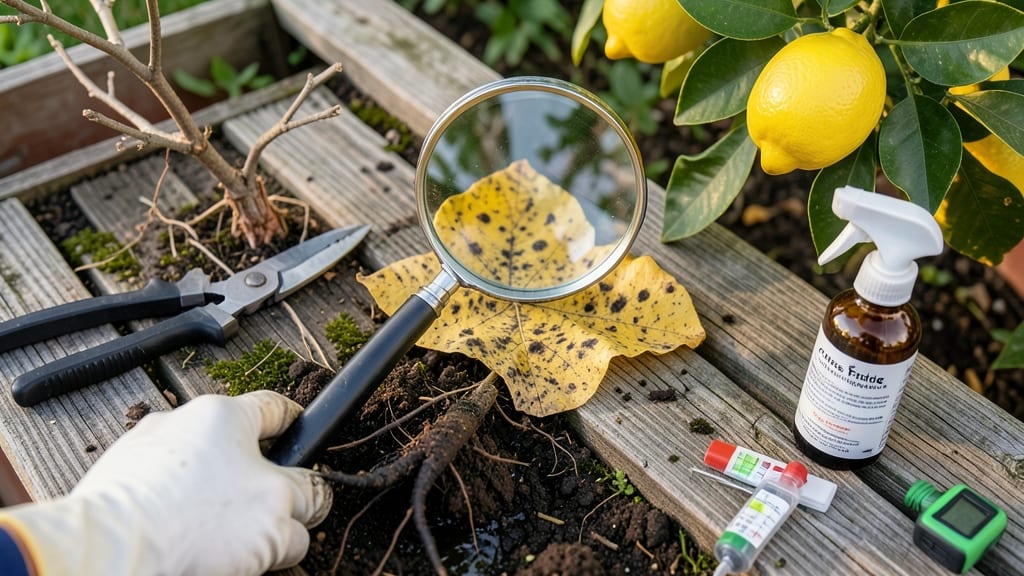
Your lemon tree’s drooping leaves could be a cry for help—not a death sentence. 🌿 I’ve nursed back three sick citrus trees in my backyard, and the key is acting fast before the roots give up.
Most homeowners panic when they see yellowing or wilted foliage, but the real damage happens when we ignore the first signs.
The culprits are usually overwatering, nutrient deficiencies, or pests like spider mites hiding on the undersides of leaves. My first mistake was assuming it was just "old age"—until I noticed the roots rotting from too much water.
A simple moisture test (stick your finger in the soil) reveals the truth: soggy soil means cut back on watering immediately, while dry soil means you’re underwatering.
Within 3 days, you can turn things around with targeted fixes: trim dead branches, adjust your watering schedule, and apply a balanced citrus fertilizer. I’ve saved trees that looked hopeless by focusing on one issue at a time—start with the roots, then the leaves, and finally the soil.
The payoff? Bright green foliage and lemons within months.
This works for both potted and in-ground lemon trees, whether you’re dealing with a sudden wilting or a slow decline. The secret? Daily checks for pests, weekly soil tests, and pruning dead growth before it spreads. Your tree’s comeback starts now—let’s get it growing again.
Root Causes Behind Lemon Tree Decline
When your lemon tree starts looking less than vibrant, it’s usually sending you a clear SOS—but what’s really making it sick? 🌱💦 Understanding the underlying reasons is the first step toward reviving your citrus companion. Below, we break down the most common culprits, backed by science and actionable insights.
Lemon trees thrive in a very specific comfort zone, and when conditions stray too far from ideal, stress sets in—fast. Here’s how:
- Extreme Heat or Cold: Lemon trees (especially Citrus × limon) prefer temperatures between 60–85°F (15–29°C). Below 50°F (10°C) or above 95°F (35°C) for extended periods can shock the plant, causing leaf drop, wilting, or even dieback. Why? Cold snaps disrupt cellular respiration, while scorching heat dehydrates leaves and clogs stomata (pores) with resin, blocking gas exchange.
- Sunburn: Direct afternoon sun in hot climates can literally scorch leaves, leaving yellow or brown patches. How? UV rays penetrate the waxy cuticle, damaging chlorophyll and triggering oxidative stress. Action tip: Use 30–50% shade cloth in peak summer if your tree is in a low-humidity zone.
- Windburn: Constant wind dries out leaves faster than roots can replenish moisture, leading to crispy edges. Science note: Wind increases transpiration rates by 20–40%, forcing the tree to expend energy it doesn’t have.
💡 Pro Tip: Monitor your tree’s microclimate. A simple soil thermometer (buried 2 inches deep) can alert you to dangerous heat spikes before leaves show damage.
Water is the lifeblood of your lemon tree, but both overwatering and underwatering can mimic disease symptoms. Here’s the breakdown:
| Issue | Symptoms | Root Cause |
|---|---|---|
| Underwatering | Crispy, curling leaves; dry soil 1–2" deep; leaf drop | Roots shrink from lack of moisture, reducing nutrient uptake. Cells plasmolyze (shrink), causing wilting. Fun fact: A lemon tree can lose up to 90% of its water content before wilting becomes visible! |
| Overwatering | Yellowing leaves; mushy stems; foul-smelling soil; root rot | Oxygen deprivation in waterlogged soil triggers Pythium or Phytophthora fungi, which gnaw at roots. Science alert: Roots need at least 20% air space in soil to breathe! |
| Inconsistent Watering | Blotchy leaves; uneven growth; weak branches | Fluctuating moisture stresses the tree’s vascular system, leading to oxidative damage and poor nutrient transport. |
🔥 Action Step: Stick your finger 2–3 inches into the soil—if it’s dry, water deeply until it drains from the bottom. If soggy, hold off and improve drainage with perlite or sand.
Not all lemon tree ailments are environmental—some are tiny, hungry invaders or microscopic enemies. Here’s how they strike:
- Spider Mites (🕷️)
These arachnids suck sap, causing stippling (white/yellow dots) and webbing. Why? They thrive in dry, dusty conditions and inject toxins that disrupt photosynthesis. Red flag: Leaves turn bronze or silver.
- Scale Insects (🐛)
Armored pests that excrete honeydew (a sugary film), attracting sooty mold. Science detail: Their saliva contains phytotoxins that stunt growth and yellow leaves.
- Fungal Infections (🍄)
Diseases like citrus greening (HLB) or anthracnose spread via contaminated water or tools. Key symptom: Asymmetrical yellowing (veins stay green while tissue turns yellow). Note: HLB is fatal—quarantine immediately if suspected.
- Root-Knot Nematodes (🐟)
Microscopic worms that gall roots, reducing water/nutrient absorption. Tell-tale sign: Stunted growth despite proper care.
🎯 Prevention Tip: Inspect undersides of leaves weekly with a magnifying glass. Early intervention (neem oil, horticultural soap) beats a full-blown infestation.
Lemon trees are heavy feeders, and deficiencies show up as specific leaf symptoms. Here’s the cheat sheet:
| Nutrient | Deficiency Signs | Why It Happens |
|---|---|---|
| Nitrogen (N) | Pale yellow leaves (older first); stunted growth | Nitrogen is critical for chlorophyll production. Soil depletion or improper pH (<6.5) locks it out. |
| Potassium (K) | Yellowing leaf edges; weak stems; poor fruit set | Potassium regulates water balance and disease resistance. Overwatering leaches it away. |
| Magnesium (Mg) | Interveinal chlorosis (yellow between veins) | Magnesium is the center of chlorophyll molecules. Compacted or sandy soil lacks it. |
| Iron (Fe) | Young leaves turn white/yellow (but veins stay green) | High pH (>7.0) or calcareous soil binds iron, making it unavailable. Iron is immobile in plants—new leaves suffer first! |
💡 Fix It: Test soil pH (ideal: 6.0–7.0). Amend with chelated iron or Epsom salt (magnesium sulfate) for quick relief.
🚨 Remember: Rule out environmental and pest causes before blaming nutrients—many deficiencies are secondary to poor care!
Quick Fixes for Reviving Your Lemon Tree
A sick lemon tree can feel like a crisis, but with the right care, you can nurse it back to health—sometimes in just three days! Below are targeted solutions for common issues, from fungal infections to nutrient deficiencies, along with prevention tips to keep your tree thriving long-term.
🔥 Step 1: Diagnose the Problem Check the soil moisture—if it’s soggy, overwatering is likely. If leaves are pale or curled, your tree may need nitrogen (N), iron (Fe), or zinc (Zn).
🍳 Step 2: Adjust Watering Habits
- Overwatered? Let the top 2 inches of soil dry out before watering again.
- Underwatered? Water deeply at the base (avoid wetting leaves to prevent disease).
👨🍳 Step 3: Fertilize Properly
- For nitrogen deficiency (yellow lower leaves): Use a balanced citrus fertilizer (6-6-6 or 8-3-9) every 4-6 weeks in growing season.
- For iron/chlorosis (yellow between veins): Apply chelated iron or use Epsom salt (1 tbsp per gallon of water, spray on leaves).
- For zinc deficiency (small leaves, stunted growth): Sprinkle zinc sulfate around the base and water in.
💡 Pro Tip: Test your soil with a citrus-specific kit to pinpoint exact deficiencies before fertilizing.
🔪 Step 1: Prune Infected Areas
- Remove yellow, spotted, or mushy leaves/stems with sterilized pruners (wipe with rubbing alcohol).
- Dispose of infected debris in the trash (not compost).
🌡️ Step 2: Apply Fungicide
- For powdery mildew or black spot: Spray with neem oil (1 tsp per quart of water) or copper fungicide every 7-10 days until cured.
- For root rot (black, mushy stems): Stop watering immediately, repot in fresh, well-draining soil, and treat with hydrogen peroxide (3%) (1 part H₂O₂ to 10 parts water).
✨ Step 3: Improve Airflow & Hygiene
- Space trees 6-8 feet apart for airflow.
- Water at the base (avoid wetting foliage).
- Clean tools after pruning to prevent spread.
🌞 Step 1: Provide Shade Temporarily
- Move potted trees to partial shade (morning sun is best).
- Use shade cloth (30-50%) if outdoors in extreme heat.
💧 Step 2: Hydrate Deeply
- Water slowly and deeply (1-2 gallons per tree) in the early morning or evening.
- Mulch with 2-3 inches of straw or wood chips to retain moisture.
🎯 Step 3: Recover with Foliar Spray
- Mix 1 tsp of liquid seaweed fertilizer in a gallon of water and spray leaves to boost resilience.
⏰ Step 1: Protect Immediately
- Cover young trees with frost cloth if temperatures drop below 28°F (-2°C).
- Avoid watering before freezing—wet leaves freeze faster.
🔥 Step 2: Prune Damaged Growth
- Cut back blackened or mushy branches to healthy green wood.
- Do not prune in winter—wait until spring to assess full damage.
💡 Pro Tip: Plant lemon trees in microclimates (south-facing walls, near heat-retaining structures) to protect them naturally.
| Issue | Prevent It By… |
|---|---|
| Fungal diseases | Water at the base, avoid overhead spraying |
| Nutrient deficiency | Fertilize every 4-6 weeks in growing season |
| Overwatering | Use well-draining soil (50% sand/peat) |
| Pests (aphids, scale) | Spray neem oil monthly as a deterrent |
| Cold damage | Mulch heavily in winter, choose hardy varieties (like ‘Meyer’ lemons) |
🌿 Final Reminder: Most lemon tree issues are reversible with quick action! Monitor your tree daily, adjust care as needed, and soon you’ll be back to harvesting juicy, homegrown lemons in no time. 🍋
Frequently asked questions
Why are my lemon tree's leaves turning yellow but staying attached?
Yellow leaves that stay on the tree usually indicate a nutrient deficiency—most commonly iron (Fe) or nitrogen (N). Check the pattern: if older leaves yellow first, it’s likely nitrogen; if younger leaves turn pale between veins, it’s iron chlorosis. Test your soil pH (ideal: 6.0-7.0) and amend with chelated iron or Epsom salt for magnesium. Overwatering can also cause this by leaching nutrients.
Can I save my lemon tree if the roots look mushy and smell bad?
Yes, but act fast! Mushy, foul-smelling roots mean root rot from overwatering. Stop watering immediately, remove the tree from its pot, and trim all black/mushy roots with sterilized scissors. Repot in fresh, well-draining soil (50% sand/peat mix) and treat with hydrogen peroxide (3% solution: 1 part H₂O₂ to 10 parts water) to kill fungi. Keep the tree in bright, indirect light and water only when the top 2 inches of soil are dry.
How do I know if my lemon tree has pests vs. disease?
Pests leave physical signs: spider mites create fine webbing on undersides, scale insects appear as brown bumps, and aphids cluster on new growth. Diseases show symmetrical symptoms—like uniform yellowing (nutrient deficiency) or asymmetrical spots (fungal infections). Check for sticky residue (honeydew) from pests or black sooty mold (a fungal growth fed by pest excretions). Use a magnifying glass to spot tiny pests or fungal spores on leaf edges.
Is it safe to use household items like vinegar or baking soda on my sick lemon tree?
Use with caution! A 1:10 vinegar-to-water spray can help control fungal issues like powdery mildew, but avoid spraying leaves directly—focus on stems and soil. For pests, mix 1 tablespoon baking soda + 1 teaspoon dish soap + 1 quart water to treat spider mites, but test on a small leaf first. Both are mild solutions—for severe problems, opt for neem oil or horticultural oil, which are more effective and safer for citrus trees.
How often should I fertilize a lemon tree that's recovering from illness?
Start with a light feeding every 6-8 weeks during the growing season (spring-fall) to avoid shocking the tree. Use a balanced citrus fertilizer (6-6-6 or 8-3-9 ratio) and follow package instructions. If your tree shows signs of nutrient burn (brown leaf tips), reduce the dose by half. Always water thoroughly before and after fertilizing to prevent root damage. Once fully recovered, increase to every 4-6 weeks.