
Pruning
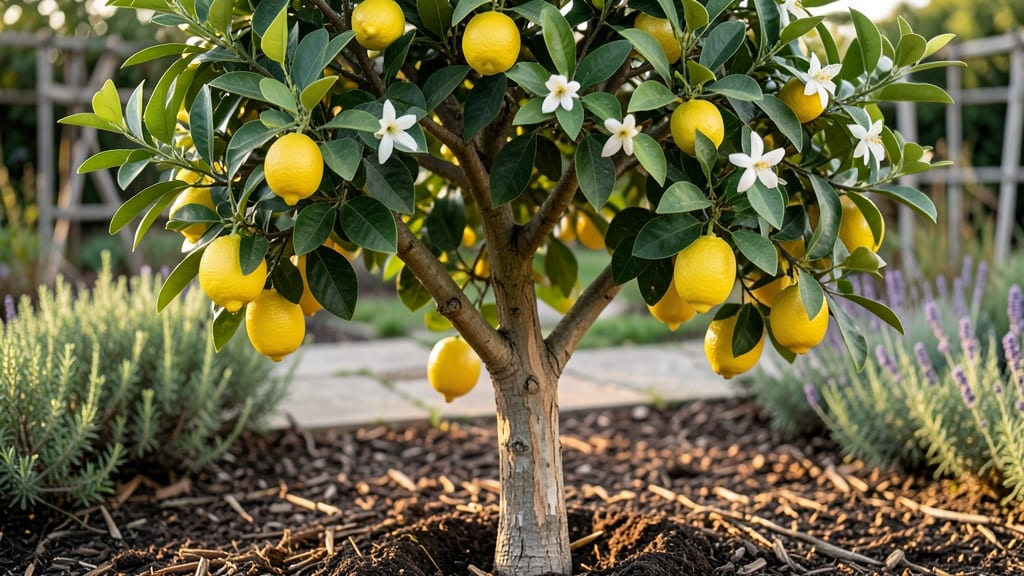
Your lemon tree’s ideal temp range thrives between 60°F and 85°F—anything outside that risks stunted growth or worse. 🌿 I learned this the hard way when my first citrus plant lost half its leaves after a sudden cold snap.
The key isn’t just the numbers; it’s how quickly temperatures shift and where your tree lives—indoors, in a container, or planted in the ground.
Lemon trees hate cold drafts and hot, dry air, but they also struggle with sudden temperature swings. In USDA Zones 9-11, they grow happily outdoors year-round, while gardeners in cooler zones must bring them inside before frost or use frost cloths.
Even indoor trees need a sunny spot away from vents or air conditioners—consistent warmth is everything.
Watch for yellowing leaves, brown edges, or leaf drop—these are your tree’s SOS signals. A heatwave over 95°F can scorch leaves, while temps below 32°F kill branches. The solution?
Move potted trees to sheltered spots, use shade cloth in summer, and keep indoor temps steady. Microclimates matter: a south-facing patio or greenhouse can extend your tree’s outdoor season.
With the right adjustments, you’ll see bright green leaves, abundant blooms, and lemons—even in less-than-ideal climates. The trick is matching your tree’s needs to your space, whether that’s a sunny kitchen window or a protected outdoor nook. Let’s get those temps just right for your citrus paradise.
Temperature Stress Explained
Lemon trees—those sun-drenched, citrus-scented powerhouses—thrive in specific temperature ranges, but when conditions stray too far from their comfort zone, stress sets in. Understanding why temperature fluctuations harm your tree is the first step to keeping it healthy.
Below, we break down the science behind the struggle, so you can protect your lemon tree from heatwaves, cold snaps, and everything in between.
When temperatures soar above 95°F (35°C), lemon trees enter survival mode. Their leaves, which are primarily made of delicate cells, begin to wilting as water evaporates faster than the roots can absorb it. But the real damage happens at a microscopic level:
- Photosynthesis slowdown: High heat disrupts the chlorophyll in leaves, reducing the tree’s ability to convert sunlight into energy. Enzymes like RuBisCO (critical for carbon fixation) become inactive, stalling growth.
- Protein denaturation: Heat causes proteins in plant cells to unfold, impairing vital functions like nutrient transport. Think of it like scrambling an egg—once the structure is ruined, it can’t return to its original form.
- Root suffocation: Hot soil bakes roots, reducing oxygen availability. In extreme cases, roots can rot due to poor gas exchange, even if the tree looks fine above ground.
Actionable fix: Provide afternoon shade (especially in zones 9+), mulch heavily to insulate roots, and water deeply at the base to cool the soil.
Lemon trees are subtropical, meaning they hate temperatures below 30°F (-1°C). When frost hits, ice crystals form inside plant cells, physically rupturing their membranes. Here’s what’s really happening:
- Cell dehydration: As water freezes, it expands, pushing against cell walls. This causes plasmolysis—when the cell membrane detaches from the cell wall, leading to irreversible damage.
- Disrupted nutrient flow: Cold temperatures thicken cell sap, clogging the tree’s vascular system (xylem and phloem). This blocks water and sugar transport, starving branches.
- Secondary infections: Frozen tissue becomes an open wound, inviting fungal or bacterial invaders like Botrytis (gray mold) or Phytophthora (root rot).
Actionable fix: Cover young trees with frost cloth, use row covers, or wrap the trunk with bubble wrap. For mature trees, ensure they’re planted in well-draining soil to prevent cold-induced waterlogging.
Lemon trees despise daily temperature fluctuations—especially when days are scorching (90°F+) and nights plunge below 50°F (10°C). This whiplash forces the tree into a constant state of stress:
- Stomatal confusion: Stomata (tiny leaf pores) open to release heat during the day but can’t close fast enough when night temperatures drop. This causes excessive transpiration (water loss), dehydrating the tree overnight.
- Metabolic shock: Rapid cooling after heat stress forces the tree to reboot its biochemical pathways, wasting energy it could spend on fruit production or root growth.
- Bud and flower drop: Temperature swings disrupt florigen (the hormone triggering blooms), leading to premature flower abortion. This is why some lemon trees bloom but never set fruit.
Actionable fix: Choose a microclimate with stable temperatures (e.g., near a south-facing wall in cooler zones). Use shade cloth during peak sun hours and water in the evening to extend moisture retention.
Most gardeners focus on air temperature, but soil temperature is just as critical. Lemon tree roots prefer soil between 60–75°F (15–24°C). When soil gets too hot or cold, roots suffer in silent ways:
| Soil Temp Issue | Root Problem | Visible Symptom |
|---|---|---|
| Too hot (>85°F / 29°C) | Root cells cook, enzymes degrade, and beneficial microbes die off. | Wilting despite wet soil, yellowing leaves, stunted growth. |
| Too cold (<50°F / 10°C) | Root activity halts, preventing water/nutrient uptake. | Brown leaf edges, poor fruit development, no new growth in spring. |
Actionable fix: Test soil temperature with a soil thermometer (insert 2–3 inches deep). Amend heavy clay with compost to improve heat retention, or use black plastic mulch to warm cold soil in early spring.
Pro tip: 🌡️ Monitor both air and soil temps for 7 days to spot patterns. Lemon trees in containers are even more vulnerable—move pots to sheltered spots during extreme weather.
Adjusting Your Lemon Tree’s Climate
Now that you understand why temperature swings stress your lemon tree, let’s tackle practical fixes—whether you’re dealing with frost damage, heat shock, or seasonal shifts. These solutions are designed to be simple, budget-friendly, and effective for both indoor and outdoor growers.
If your lemon tree has suffered from freezing temps, act fast to revive it and prevent further harm.
🔥 Immediate Rescue Steps
- 🌿 Trim Damaged Branches: Use sterilized pruners to cut back any blackened, mushy, or brittle stems.
Snip just above a healthy bud or leaf node to encourage regrowth. - 🚿 Warm Water Soak: If roots are exposed or soil is frozen, submerge the container (if potted) in a warm water bath (80–90°F) for 10–15 minutes to thaw roots gently.
For in-ground trees, mulch heavily with straw or leaves to insulate roots. - 🏠 Move Indoors (Temporary): If possible, relocate the tree to a sunny windowsill, greenhouse, or garage (keep temps above 50°F). Avoid heaters too close—consistent warmth is key, not blasts of dry air.
❄️ Long-Term Cold Protection
- 🌡️ Choose Frost-Resistant Varieties: If you’re in a chilly zone, opt for ‘Meyer’ lemons or ‘Ponderosa’ lemons, which tolerate brief dips to 20–25°F.
- 🏡 Build a Mini Greenhouse: Use clear plastic bottles (cut in half) over buds or frost cloth draped loosely over the tree.
Secure with clips or stakes—don’t smother it! - 🌱 Plant in Sheltered Spots: Near south-facing walls, fences, or under eaves where cold air drains away. Avoid low-lying areas where frost pools.
💡 Pro Tip: If your tree is barely surviving, consider root protection with burlap wraps around the trunk or black plastic mulch in early fall to absorb heat.
Lemon trees wilt fast in 90°F+ temps without proper care. Here’s how to cool them down safely.
💦 Hydration & Shade Solutions
- 🌊 Deep Watering Schedule: Water early morning (before 10 AM) to reduce evaporation. Soak the root zone (not just the topsoil) every 2–3 days in extreme heat. Drip irrigation is ideal—it delivers water slowly to roots.
- 🌿 Provide Afternoon Shade: Use shade cloth (30–50%) or lightweight row covers to block direct sun 12–4 PM.
Avoid full shade—6+ hours of morning sun is still critical. - 🍃 Mist Leaves (Strategically): Lightly mist leaves in the early morning to raise humidity, but avoid evening misting (promotes fungal issues). Use a fine spray nozzle for even coverage.
🌡️ Beat the Heat with Mulch & Airflow
- 🍂 Mulch Thickly: Apply 3–4 inches of organic mulch (straw, wood chips, or pine needles) to retain soil moisture and regulate root temp.
- 🌬️ Improve Air Circulation: Space trees 6–8 feet apart and prune for airflow—remove crossing branches and inner foliage to prevent stagnant, hot air.
- 🏡 Use Windbreaks: If you’re in a hot, dry wind zone, plant fast-growing shrubs (like boxwood) on the west side to block scorching afternoon winds.
✨ Bonus Hack: Place a shallow tray of water near the tree’s base—evaporation cools the air slightly around the roots.
Sudden spring warm-ups or fall cool-downs can confuse lemon trees. Here’s how to ease the transition.
🌱 Gradual Acclimation (Hardening Off)
- 🌿 For Potted Trees: If moving indoor → outdoor, acclimate over 1–2 weeks.
Start with 2 hours of shade, then gradually increase sun exposure daily. - 🍂 For Outdoor Trees: In fall, reduce watering slightly as temps drop, but keep soil moist—dry soil + cold = root shock. - 🌡️ Monitor Microclimates: Use a small thermometer near the tree to track day/night swings.
Aim for no more than a 15°F difference between day and night.
🏡 Adjusting Indoor Lemon Trees
- 🌡️ Ideal Indoor Temp Range: Keep 60–80°F during the day, 55–65°F at night.
Avoid drafts from AC vents or heaters. - 💡 Use a Heat Mat (Winter): If leaves yellow or drop, place the pot on a heating mat (set to 70°F) to mimic spring warmth and encourage blooming. - 🌿 Rotate the Tree: Move it quarter-turns weekly so all sides get even light—prevents one-sided heat stress from a single window.
🎯 Prevention Tip: Fertilize lightly in fall with low-nitrogen, high-potassium (like 5-10-10) to strengthen cell walls before winter.
If your lemon tree is drooping, crispy, or completely dormant, try these last-resort moves:
| Problem | Quick Fix | Recovery Time |
|---|---|---|
| Fully Frozen Roots | Soak roots in lukewarm water + 1 tsp hydrogen peroxide (per gallon) for 30 mins. Repot in fresh, warm soil. | 4–8 weeks |
| Sunburnt Leaves | Trim damaged leaves, spray with anti-transpirant (like Wilt-Pruf), and move to shade. | 2–3 weeks |
| Heat-Stunned (No Flowers/Fruit) | Prune aggressively to redirect energy, fertilize with bloom booster (like 10-10-10), and reduce water slightly. | 6–12 weeks |
Final Thought: Lemon trees are tropical at heart but can adapt with patience and smart adjustments. The key is consistency—whether it’s gradual temp changes, proper watering, or protective barriers, small efforts add up to a thriving tree! 🌿🍋
Frequently asked questions
What’s the safest temperature range for my lemon tree indoors?
Keep indoor lemon trees between 60–80°F during the day and 55–65°F at night. Avoid placing them near drafty windows, vents, or heaters—consistent warmth is key. A sunny south-facing window with indirect light works best.
Can lemon trees survive a light frost?
Most lemon trees can handle brief dips to 28°F, but prolonged frost below 25°F will damage or kill branches. For extra protection, cover young trees with frost cloth or move potted trees indoors. Varieties like ‘Meyer’ lemons are slightly more cold-tolerant.
How do I know if my lemon tree is too hot?
Watch for crispy leaf edges, wilting, or yellowing—these are heat stress signs. If temps stay above 95°F for days, provide afternoon shade with shade cloth (30–50%) and water deeply at the base. Mulch heavily to keep roots cool.
Can I grow a lemon tree in a container if I live in a cold climate?
Yes! Choose a large pot (at least 15–20 gallons) and move it indoors before frost. Place it near a sunny window or under grow lights. In summer, return it to a sheltered outdoor spot. Just ensure good drainage to prevent root rot from temperature shifts.
Why do my lemon tree’s leaves drop when temperatures change suddenly?
Rapid temperature swings (like 90°F days to 50°F nights) confuse the tree’s metabolism. To fix this, acclimate potted trees gradually to outdoor conditions and avoid placing them near AC vents or heaters. Consistent temps help prevent leaf drop.