
Pruning
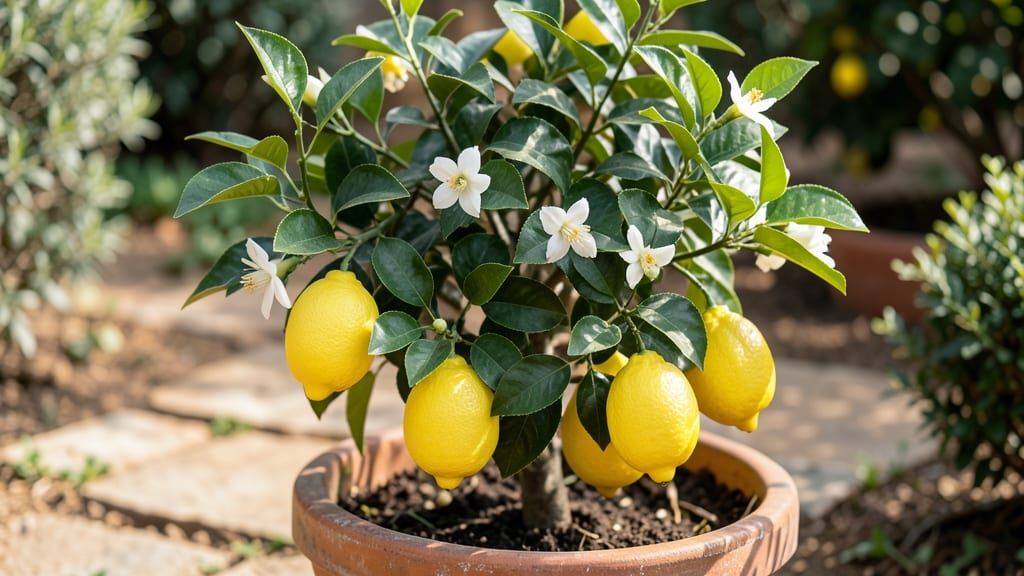
Lemon tree thorns aren't poisonous, but they will leave you bleeding—and maybe cursing—if you don’t handle them right. 🌿 I’ve wrestled with these sharp little guards more times than I’d like to admit, and I’ve learned the best ways to protect your skin while pruning or harvesting.
The thorns aren’t toxic, but they are coated in a sticky sap that can irritate cuts, leading to infections if you’re not careful.
Wearing heavy-duty gloves (like mechanic’s gloves) and long sleeves is non-negotiable—trust me, the sting of a deep thorn wound lasts longer than the juice of a ripe lemon. With the right gear, you’ll avoid those painful pokes and focus on the real reward: juicy, fragrant lemons.
A little prep goes a long way in keeping your hands safe and your harvest intact.
First aid for thorn injuries is simple: clean the wound with soap and water, then apply antibiotic ointment to prevent infection. If a thorn breaks off, don’t panic—most come out easily with tweezers, but keep an eye on it for signs of irritation.
The key to minimizing risks? Prune during the tree’s dormant season (late winter) when thorns are less aggressive, and always work with sharp, clean tools to avoid tearing skin. Your hands—and your patience—will thank you.
The Science Behind Thorn Toxicity
Lemon tree thorns—those sharp, jagged projections along the branches—aren’t just a nuisance. They can deliver a painful physical wound and, in some cases, introduce toxic compounds that irritate the skin or even cause allergic reactions.
But why do these thorns pose a risk? The answer lies in their chemical defenses, physical structure, and the tree’s natural survival mechanisms. Let’s break down the key reasons behind their potential toxicity.
Lemon trees (and many citrus varieties) evolve thorns as a first line of defense against herbivores, pests, and even human interference. These thorns aren’t just sharp—they’re often coated with or connected to:
- Resinous sap: A sticky, yellowish fluid that hardens when exposed to air. While not always toxic, this sap can clog pores, trap bacteria, and cause skin irritation or folliculitis (inflammation of hair follicles) if left unwashed. Some citrus trees produce sap with psoralens, compounds that increase skin sensitivity to sunlight, leading to phytophotodermatitis (a painful rash triggered by UV exposure).
- Tannins and phenolic compounds: These natural chemicals act as antimicrobial agents but can also provoke allergic contact dermatitis in sensitive individuals. When thorns puncture the skin, these compounds may seep into the wound, causing redness, itching, or swelling.
Pro Tip: 🌡️ If you notice a burning sensation after a thorn prick, especially in sunlight, rinse the area immediately with cool water and mild soap to remove residual sap.
Thorns don’t just carry the tree’s own chemicals—they’re also high-touch surfaces for birds, insects, and wildlife. Over time, they accumulate:
- Bacteria: Common pathogens like Staphylococcus or Streptococcus can hitch a ride on thorns, increasing the risk of infection if the prick breaks the skin. Puncture wounds from thorns are particularly risky because they’re deep and narrow, making it harder for the body to fight off invaders.
- Fungal spores: In humid climates, thorns may harbor Candida or dermatophytes, which can lead to fungal infections like ringworm or athlete’s foot if the wound isn’t cleaned properly.
Actionable Insight: ✨ Always wear gloves when pruning lemon trees, and clean thorn-related wounds with isopropyl alcohol (70% or higher) or a betadine solution to kill bacteria on contact.
The design of lemon tree thorns isn’t just about sharpness—it’s about maximizing damage. Here’s how their structure turns a minor prick into a potential hazard:
- Hollow or barbed tips: Many citrus thorns have a hollow core that can inject sap deeper into the skin, increasing the chance of irritation. Others have barbs that make removal painful and may leave fragments behind, prolonging exposure to toxins.
- Thin, needle-like shape: Unlike broadleaf cuts, thorn pricks create tiny, deep wounds that bleed internally. These wounds are less noticeable but more prone to infection because they don’t bleed openly to flush out contaminants.
Safety Hack: 🔪 If a thorn breaks off in your skin, do not dig it out—this can push it deeper. Instead, use a sterilized needle to gently coax it out from the sides or see a doctor if it’s embedded deeply.
Not everyone reacts the same way to lemon tree thorns. People with citrus allergies, latex sensitivities, or compound sensitivities (like those triggered by urushiol in poison ivy) may experience:
- Immediate reactions: Redness, swelling, or hives within minutes to hours after contact, often due to histamine release from the tree’s sap.
- Delayed reactions: Itchy rashes or blisters 24–48 hours later, resembling poison oak dermatitis. This is common with psoralens or other phototoxic compounds.
- Systemic reactions (rare): In extreme cases, exposure to large amounts of sap or repeated pricks may cause nausea, dizziness, or difficulty breathing—seek medical help if symptoms like these occur.
Prevention Tip: 💡 If you’re prone to allergies, do a patch test first: Apply a small amount of lemon tree sap (from a controlled source) to your inner arm and wait 24 hours to monitor for reactions.
Safe Removal And Skin Protection Guide
When dealing with lemon tree thorns, the key is to act carefully—whether you're pruning, harvesting, or simply working near the tree. Thorns can cause painful punctures, infections, or even allergic reactions, but with the right approach, you can minimize risks and keep your skin safe.
Below are practical solutions tailored to common causes of thorn-related injuries, along with prevention tips to avoid future problems.
Cause: Accidental contact while pruning, harvesting, or brushing against the tree. Fix:
- Wash the wound immediately with warm, soapy water to remove dirt and bacteria.
- Apply pressure with a clean cloth to stop bleeding (if minor).
- Disinfect with rubbing alcohol (70% isopropyl) or hydrogen peroxide (3%).
- Cover with a bandage to prevent infection—especially if the thorn was deep or dirty.
- Watch for signs of infection (redness, swelling, pus) and see a doctor if symptoms worsen.
Pro Tip: 💡 If the thorn is embedded, do not dig it out with unsterilized tools—use tweezers cleaned with alcohol first.
Cause: Handling lemons or branches without protection. Fix:
- Locate the thorn—use a flashlight if needed to see it clearly.
- Gently squeeze the skin around the thorn to help it surface.
- Use sterilized tweezers to grasp and pull it out straight out (don’t twist).
- Clean the area again with alcohol after removal.
- Apply an antibiotic ointment (like Neosporin) to reduce infection risk.
Pro Tip: 🌡️ If the thorn breaks off, do not leave it in—seek medical help to avoid infection.
Cause: Sensitivity to lemon tree sap or thorn oils. Fix:
- Wash the affected area with mild soap and cool water.
- Apply a cold compress to reduce itching and swelling.
- Use hydrocortisone cream (1%) or calamine lotion for irritation.
- Take an antihistamine (like Benadryl) if swelling or hives appear.
- Avoid scratching to prevent further skin damage.
Pro Tip: ✨ If reactions persist, consult a dermatologist—some people may need allergy testing.
Cause: Lack of protective gear or improper pruning techniques. Fix:
- Wear thick gloves (leather or heavy-duty gardening gloves) to shield hands.
- Use long sleeves and pants to protect arms and legs.
- Prune with sharp, clean tools—dull shears can cause slips and accidental thorn contact.
- Work when the tree is dry—wet thorns are more likely to bend and pierce skin.
- Disinfect tools before and after use to prevent spreading disease.
Pro Tip: 🎯 Wear safety goggles—thorns can sometimes snap and fly unexpectedly!
Cause: Overgrown branches with dense thorn patches. Fix:
- Cut the branch at a 45-degree angle (about ¼ inch above a bud or outward-facing branch).
- Use pruning shears or loppers—never your hands!
- Dispose of thorny clippings in a sealed trash bag (not compost).
- Smooth rough edges on the tree with a file or sandpaper to prevent future snags.
Pro Tip: 🌿 Prune in late winter or early spring when the tree is dormant—fewer pests and less sap.
- Train the tree by guiding branches away from high-traffic areas.
- Plant thorn-resistant varieties (like ‘Meyer’ lemons, though no variety is 100% thorn-free).
- Keep the area around the tree clear of debris where thorns could hide.
- Teach kids and pets to avoid touching the tree without supervision.
By following these simple yet effective steps, you can minimize risks, protect your skin, and enjoy your lemon tree safely—without the worry of painful thorns! 🍋✨
Frequently asked questions about lemon tree thorns
Are lemon tree thorns actually poisonous?
The thorns themselves aren't poisonous, but they can cause irritation through their sticky sap. This sap contains compounds like psoralens that may trigger skin sensitivity, especially when exposed to sunlight. Always clean pricks immediately to avoid reactions.
What should I do if a thorn breaks off in my skin?
Don't dig it out with unsterilized tools—this can push it deeper. Use sterilized tweezers to gently coax it out from the sides or see a doctor if it's embedded. Clean the area thoroughly with rubbing alcohol (70%) afterward to prevent infection.
Can lemon tree thorns cause allergic reactions?
Yes, especially for people with citrus allergies or sensitivities. The sap may cause redness, itching, or swelling. If you notice hives or difficulty breathing after contact, seek medical attention immediately. A patch test can help identify sensitivity before working with the tree.
What's the best protective gear for pruning?
Wear heavy-duty gloves (like mechanic's gloves), long sleeves, and safety goggles. Avoid lightweight gardening gloves—they won't protect against sharp thorns. Work during dry conditions when thorns are less flexible.
How do I remove thorns without hurting myself?
Use sharp, clean pruning shears to cut branches at a 45-degree angle. Never pull thorns by hand. For stubborn branches, wear extra protection and work slowly. Dispose of thorny clippings in sealed bags to avoid accidental contact later.