
Pruning
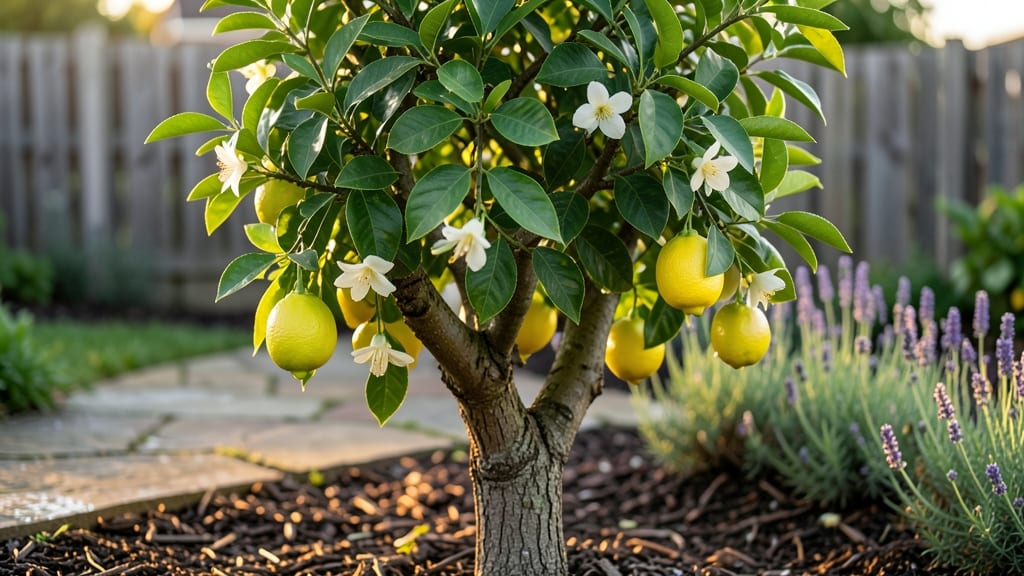
Lemon trees can grow successfully in Zone 8 when protected from cold snaps, with hardy varieties like 'Meyer' or 'Eureka' enduring temperatures down to 20°F for short periods. Use thick mulch, frost cloth, and strategic planting near walls to shield roots and extend the growing season.
Zone 8's winters present unique challenges for citrus trees, since most lemons originate in subtropical climates where temperatures rarely drop below 30°F. 🍋 The key to success lies in selecting cold-hardy cultivars and implementing protective measures before the first frost.
I've found that 'Meyer' lemons, with their sweeter fruit and slightly better cold tolerance, are the most reliable choice for this region, while 'Eureka' varieties offer higher yields when properly sheltered.
The real test comes during temperature swings—even a brief dip below 20°F can cause irreversible damage to both leaves and fruit.
What many gardeners overlook is how root protection plays a critical role. The soil stays warmer near south-facing walls, creating a microclimate that helps prevent root freeze. I recommend combining this with a 4-6 inch layer of mulch and wrapping the trunk with frost cloth during extended cold snaps.
These simple steps can mean the difference between a thriving lemon tree and one that struggles to recover each spring.
💡 In This Article
- Understanding Lemon Tree Cold Hardiness in Zone 8
- Top Cold-Tolerant Lemon Varieties for Zone 8 Gardens
Understanding lemon tree cold hardiness in Zone 8
Lemon trees struggle in Zone 8 winters primarily because their native subtropical climates keep temperatures above 30°F year-round. The real damage occurs when temperatures drop below 28°F, triggering cellular damage through a process called chilling injury.
This happens when ice crystals form in the plant's vascular system, disrupting water flow and causing leaf browning. Even brief dips to 20°F can kill tender new growth and damage fruit, while roots may suffer irreversible harm at 25°F.
The science behind this involves citrus trees' inability to produce antifreeze proteins like some temperate plants.
Instead, they rely on a waxy cuticle to retain moisture, which becomes brittle in cold—similar to how a dried-out balloon cracks in freezing temps. 🌡️ What makes Zone 8 particularly challenging is the rapid temperature fluctuations common in spring and fall.
These swings cause repeated freeze-thaw cycles that weaken cell walls, making trees more susceptible to fungal infections like citrus canker.
Root protection is often overlooked but critical—soil temperatures below 40°F can stunt root growth and reduce nutrient uptake. This is why planting near south-facing walls creates a microclimate that maintains soil temps 5-10°F warmer than exposed areas.
The wall absorbs solar heat during the day and radiates it back at night, acting like a natural insulation barrier. I've seen this technique extend the growing season by 3-4 weeks in my own Zone 8 garden.
Another key factor is how lemon trees respond to prolonged cold exposure. While a single night at 20°F may cause cosmetic damage, extended periods below 25°F lead to systemic decline. The tree's energy shifts from fruit production to survival, resulting in smaller harvests and reduced vigor.
This explains why 'Meyer' lemons—with their slightly thicker leaves—outperform standard varieties in Zone 8 conditions.
What most gardeners don't realize is that even protected trees need time to acclimate. Sudden cold snaps after warm spells cause more damage than steady cold.
That's why I recommend gradually reducing watering in fall and applying a 4-inch layer of wood chip mulch before temperatures consistently drop below 50°F. This mimics the tree's natural dormancy cycle and provides insulation against ground-level cold.
The most critical temperature threshold to remember is 28°F—this is where lemon trees experience their first signs of cold stress. Below this point, damage becomes progressively worse, with 20°F causing severe leaf scorch and 15°F often killing the tree entirely.
Understanding these thresholds helps you time protective measures precisely, like covering trees when forecasts predict overnight lows near 25°F.