
Trees
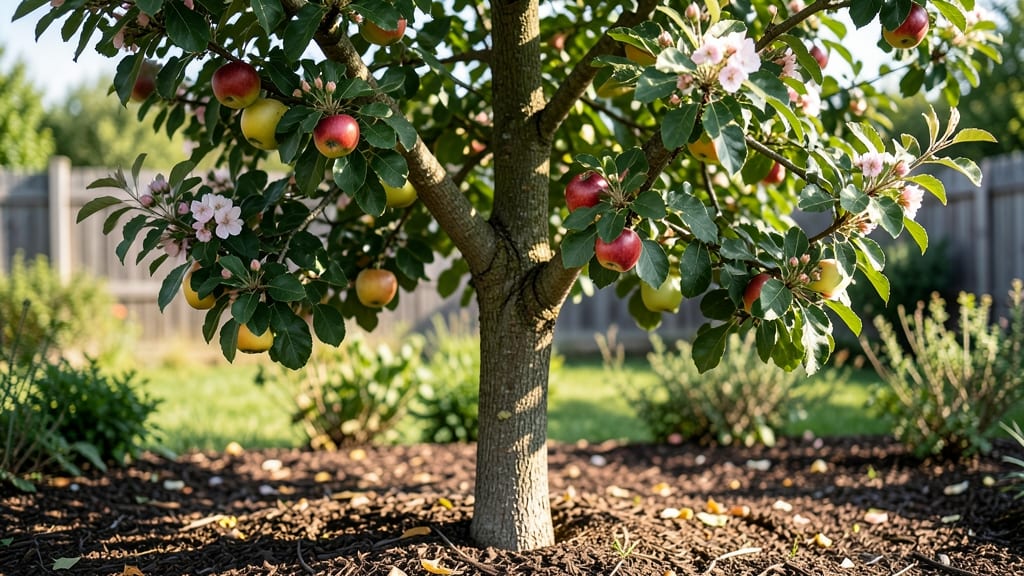
For apple tree varieties in Zone 9, cold-hardy options like Anna, Dorsett Golden, or Tropic Sweet are essential, as they handle the region's warm winters and intense summers better than traditional varieties. Using dwarf rootstocks helps control size while maintaining productivity.
Zone 9's unique climate—with its mild winters and hot summers—demands special attention when selecting apple trees. 🍎 The key is finding varieties that can still meet their chilling hour requirements (typically 300-500 hours) while thriving in temperatures that would stress conventional apples.
Anna apples, for example, produce reliable crops even with minimal winter chill, making them a top choice for Southern growers. The right rootstock isn't just about size control; it also improves heat tolerance and water efficiency, which are critical in Zone 9's often-dry conditions.
What sets these varieties apart is their ability to balance fruit quality with environmental resilience. Unlike traditional apples that may struggle with summer heat or fail to bloom without sufficient cold exposure, these Zone 9 favorites deliver both harvests and adaptability.
For best results, plant during the cooler months, use mulch to retain moisture, and prune strategically to improve airflow—especially important when humidity rises.
💡 In This Article
- How Climate Affects Apple Tree Varieties in Zone 9
- Planting and Care Tips for Zone 9 Apple Trees
How climate affects apple tree varieties in Zone 9
Zone 9's climate presents a unique challenge for apple trees because of its limited winter chilling hours—typically between 200-400 hours—compared to the 800-1,200 hours most traditional apple varieties need. Without sufficient cold exposure, trees may fail to bloom properly, leading to poor fruit set.
This is why varieties like Anna and Dorsett Golden thrive—they've been bred to produce fruit with as little as 250-300 chilling hours, making them ideal for warmer regions.
The science behind this lies in their genetic adaptation to shorter dormancy periods, which allows them to "wake up" earlier in spring when temperatures rise.
Summer heat in Zone 9 (often exceeding 90°F for months) also stresses apple trees, causing heat stress that can lead to sunburn on fruit or reduced vigor. Traditional varieties like Fuji or Gala, which require cooler summers, may develop brown, leathery skin or even drop fruit prematurely.
In contrast, heat-tolerant varieties like Tropic Sweet have thicker cuticles and deeper root systems that help them retain moisture and regulate temperature. 🌡️ The rootstock choice matters too—dwarf varieties on M.9 or B.9 rootstocks, for example, are more efficient at water uptake, reducing the risk of wilting during heatwaves.
Humidity adds another layer of complexity, as Zone 9's often-moist summers create ideal conditions for fungal diseases like apple scab or powdery mildew. Traditional varieties lack the natural resistance found in heat-adapted apples, which often have thicker leaves or waxy coatings.
This is why growers in Zone 9 must prioritize disease-resistant varieties and implement proactive care, such as spacing trees for airflow or applying organic fungicides like neem oil. The right variety not only survives but thrives, producing fruit with fewer blemishes and better flavor.
Microclimates within Zone 9 can dramatically influence success. Coastal areas, for instance, benefit from cooler ocean breezes that extend the growing season, while inland regions face more extreme heat. Elevation plays a role too—trees planted on slopes or hillsides often experience cooler nights, which can boost fruit quality.
For example, Anna apples grown in a slightly elevated microclimate in Southern California may develop richer sugars than those planted in a valley. This is why site selection is just as critical as variety choice.
What most gardeners overlook is how soil temperature interacts with these factors. In Zone 9, soil can remain warm year-round, which may delay root development in traditional varieties. Heat-tolerant apples, however, have adapted to establish roots more aggressively in warm conditions, ensuring stability even during droughts.
This adaptation is key to their survival and productivity in regions where water conservation is essential.
To visualize the differences, consider this comparison: A traditional Gala apple tree in Zone 9 might produce 50% fewer fruits due to poor blooming, while a Tropic Sweet on the same rootstock could yield nearly 90% of its potential with proper care.
The variety's ability to balance chilling requirements with heat tolerance directly impacts both the quantity and quality of the harvest. 🍏