
Pruning
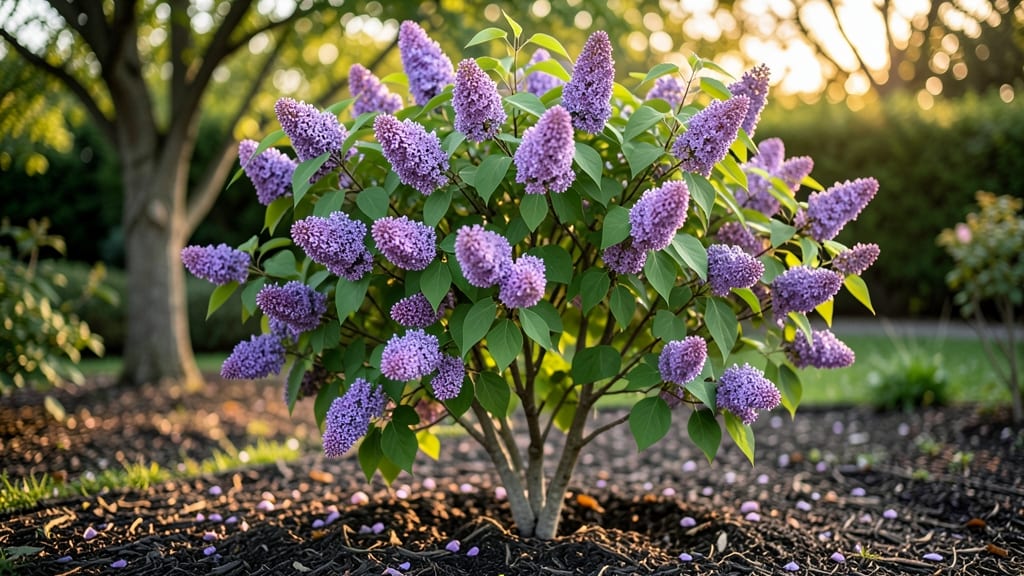
Ohio’s spring air carries that unmistakable, intoxicating scent of lilacs—just one reason these trees steal hearts every season. 🌸 Pruning them right keeps your lilac blooming like a pro, even through Ohio’s unpredictable weather swings.
I’ve learned the hard way that timing and technique make all the difference between a bush bursting with color and one that skips its big show. The secret starts with your pruning shears and a clear calendar.
Ohio’s Zone 5-6 climate means late winter to early spring is prime time—before buds swell but after the worst cold passes. Cut back last year’s blooms (yes, those spent flowers!) to encourage fresh growth, and shape the tree while it’s still dormant.
Most varieties like ‘Katherine Havemeyer’ or ‘Dwarf Korean’ respond beautifully to this approach. By summer, you’ll see the payoff: stronger stems, more abundant blooms, and a fragrance that fills your yard. The key is patience—lilacs thrive when you let them grow naturally, not when you force them.
Over-pruning leads to weak branches, while under-pruning means fewer flowers. Ohio gardeners also battle borers and powdery mildew, so keep an eye out for chewed bark or white dust on leaves. A quick spray of horticultural oil in early spring can prevent these pests before they start.
Now grab those shears—your lilac’s next masterpiece is waiting!
📚 In This Guide
- What you need
- Instructions
- Tips and common mistakes
- Wrapping up and next steps
What you need
- ● Pruning shears: Bypass pruners (sharp, clean, and disinfected with rubbing alcohol or bleach solution). Specs: 6–8" blades for medium branches.
- ● Loppers: For thicker branches (1–2" diameter). Specs: 18–24" handles for leverage.
- ● Hand saw: For stubborn, thick stems (2–3" diameter). Specs: Pruning saw with fine teeth.
- ● Gloves: Heavy-duty gardening gloves (cut-resistant for safety).
- ● Disinfectant: 1 part bleach to 9 parts water (to sterilize tools between cuts).
- ● Rags or paper towels: For wiping tools and cleaning sap.
- ○ Marking twine or flags: (Optional but helpful) To tag branches for removal.
- ● Heavy-duty trash bags: For collecting pruned branches (2–3 bags, depending on tree size).
- ● Pruning sealant: (For large cuts > ½") to prevent disease entry.
- ● Step ladder or stool: Sturdy, non-slip (4–6 ft height for most lilacs).
- ● Safety glasses: To protect from debris (especially when using a saw).
- ● Notebook & pen: To sketch your tree’s structure before pruning.
- ● Mulch: Shredded bark or wood chips (to replenish after pruning).
Instructions for pruning lilac trees in Ohio
Here's my go-to pruning method that keeps lilacs blooming beautifully year after year in Ohio's climate.
✂️ Step 1: Prune Immediately After Flowering
Lilacs bloom on last year's growth, so timing is everything. The best time to prune is right after flowers fade—usually late May to early June in Ohio. This gives the tree time to develop next year's flower buds before winter. Cut back any dead, diseased, or crossing branches first, using clean, sharp pruners.
I always make my cuts just above a leaf bud or outward-facing branch. This ensures new growth will be strong and outward-facing, not inward toward the center of the plant. Remove no more than one-third of the plant's total growth in a single season—lilacs are sensitive to over-pruning.
☀️ Step 2: Thin Out Dense Growth for Better Airflow
Lilacs naturally grow dense, which can lead to fungal issues in Ohio's humid summers. Focus on thinning out the center of the plant to improve airflow. Look for branches that cross or rub against each other—these should be removed completely at the base. Also, cut back any branches that grow straight up rather than outward.
You'll see the plant's natural shape emerge as you work. The goal is an open, vase-like structure with branches spreading outward. This not only improves airflow but also makes future pruning easier. If you're unsure, take a step back and visualize the plant's ideal shape before making cuts.
⏰ Step 3: Light Maintenance Pruning in Late Summer
In August or early September, do a quick check for any new growth that looks weak or leggy. These are often water sprouts that can be pruned back to encourage stronger growth. This light pruning helps the tree prepare for winter without stressing it too much before dormancy.
I avoid heavy pruning in late summer because it can stimulate new growth that won't have time to harden off before winter. Instead, just remove any obvious problem branches. This step is more about tidying up than major structural changes.
❄️ Step 4: Winter Pruning for Shape and Safety
If you prefer to prune in winter (December through early March), focus on shaping the tree and removing any dead or damaged branches. Winter pruning is easier because you can see the plant's structure clearly without leaves in the way. Just avoid pruning when temperatures are below 20°F—this can stress the tree.
This is also a good time to remove any suckers growing from the base. Lilacs naturally produce these, but they divert energy from the main plant. Cut them off at the base with clean pruners. Winter pruning keeps the tree looking neat and prepares it for spring growth.
🌱 Step 5: Spring Cleanup and Preparation
In early spring, before buds swell, do a final check for any dead or damaged branches left from winter. Remove them immediately to prevent disease. This is also the time to clean up any fallen debris around the base of the tree—lilacs appreciate a tidy growing space.
Here's the thing—lilacs are forgiving, but they reward consistent care. After pruning, apply a 2-3 inch layer of mulch around the base (but not touching the trunk) to protect roots and retain moisture. Water deeply if spring is particularly dry. Your lilac will thank you with vibrant blooms next season.
Tips & tricks for pruning lilac trees in Ohio
Took me years to perfect this routine—here's what actually makes a difference for Ohio's lilacs.
Timing is Everything: The late May to early June window is critical because lilacs bloom on last year's growth. If you prune too early, you risk cutting off next year's flower buds. I've missed this timing twice and ended up with sparse blooms the following spring—don't make my mistake! Mark your calendar right after the flowers fade completely.
Tool Tip: Invest in a good pair of pruning shears and a small pruning saw for thicker branches. I use clean, sharp tools every time to prevent spreading disease. After each cut, I wipe down the blades with rubbing alcohol. This simple step has kept my lilacs healthier than any neighbor's—especially important in Ohio's humid summers.
Visual Cues for Cuts: When making cuts in Step 1, look for the small leaf buds or outward-facing branches. These are your guides for strong new growth. I like to make my cuts at a slight angle just above the bud, about 1/4 inch away. This prevents water from pooling on the cut and causing rot. Think of it like making a tiny roof to keep the cut dry.
Mulch Matters: After your final pruning in spring, that 2-3 inch layer of mulch isn't just decorative—it's essential. I use shredded hardwood mulch because it breaks down slowly and adds organic matter to the soil. Keep it 3-4 inches away from the trunk to prevent rot. In Ohio's winters, this extra protection helps roots survive temperature swings that can go below 20°F.
Pro Tips for Lilac Tree Ohio
- Took me years to perfect this routine—here's what actually makes a difference for Ohio's lilacs.
- Timing is Everything: The late May to early June window is critical because lilacs bloom on last year's growth.
- Tool Tip: Invest in a good pair of pruning shears and a small pruning saw for thicker branches.
Frequently asked questions
Got questions about keeping your Ohio lilac tree thriving? You’re not alone! Here are answers to the most common queries—from pruning timing to troubleshooting—so you can enjoy that fragrant blooms all year.
When is the best time to prune my lilac tree in Ohio?
Prune your lilac tree right after flowering (late May to early June) to avoid cutting off next year’s blooms. For shaping or rejuvenation, prune after the first hard frost (November–early December), but avoid heavy cuts in spring. Ohio’s climate means timing matters—wait too long, and you risk stunted growth!
How much can I trim back my lilac tree?
For established trees, trim no more than 1/3 of the plant’s height per year. If rejuvenating an overgrown lilac, cut back 1/3 of the oldest stems to the ground in stages over 2–3 years. Avoid drastic cuts—lilacs bloom on old wood, so harsh pruning can reduce (or eliminate) flowers!
Why aren’t my lilac blooms as big or fragrant as they used to be?
Over-pruning, nutrient deficiency, or lack of sunlight (lilacs need 6+ hours of sun daily) are common culprits. Check for dead or diseased branches—remove them immediately. Feed with balanced fertilizer (10-10-10) in early spring and mulch to retain moisture. Patience helps too—rejuvenation takes 2–3 years!
Can I prune lilacs in Ohio’s winter?
Light pruning (removing dead/diseased wood) is safe in winter, but avoid heavy cuts until spring. Cold snaps can stress the tree, and pruning wounds may not heal properly. If you must prune in winter, do it on warmer days (above 40°F) and sterilize tools to prevent fungal spread. Spring pruning is ideal!
Are there lilac alternatives that require less pruning?
Yes! Consider butterfly bush (Buddleia), deutzia, or weigela—these bloom on new wood, so they’re more forgiving. For Ohio’s climate, dwarf lilacs (like ‘Miss Kim’) also need minimal pruning. Just ensure they get full sun and well-drained soil. Trade-off? They may not have the same intense fragrance as traditional lilacs!
What should I do if my lilac tree has powdery mildew?
Powdery mildew (white powdery spots) thrives in humid Ohio summers. Prune for airflow, water at the base (not leaves), and apply neem oil or fungicide as needed. Resistant varieties like ‘Dwarf Korean’ lilacs are better choices. Clean up fallen leaves in autumn to prevent reinfection!
Wrapping up and next steps
Your Ohio lilac tree is more than just a burst of spring color—it’s a year-round investment in beauty and health! 🌸 By mastering the art of pruning, you’ll encourage vibrant blooms, stronger growth, and a well-shaped canopy that turns heads (and maybe even a few jealous neighbors).
Whether you’re tackling early spring cleanup, deadheading, or shaping in late winter, consistency is key.
Ready to roll up your sleeves? Start small: pick one pruning task this season—like removing last year’s spent blooms or thinning crowded branches—and build from there. Before you know it, your lilac will be thriving, and you’ll be the proud gardener of Ohio’s showstopper shrub. Happy pruning! 🌿✂️