
Pruning
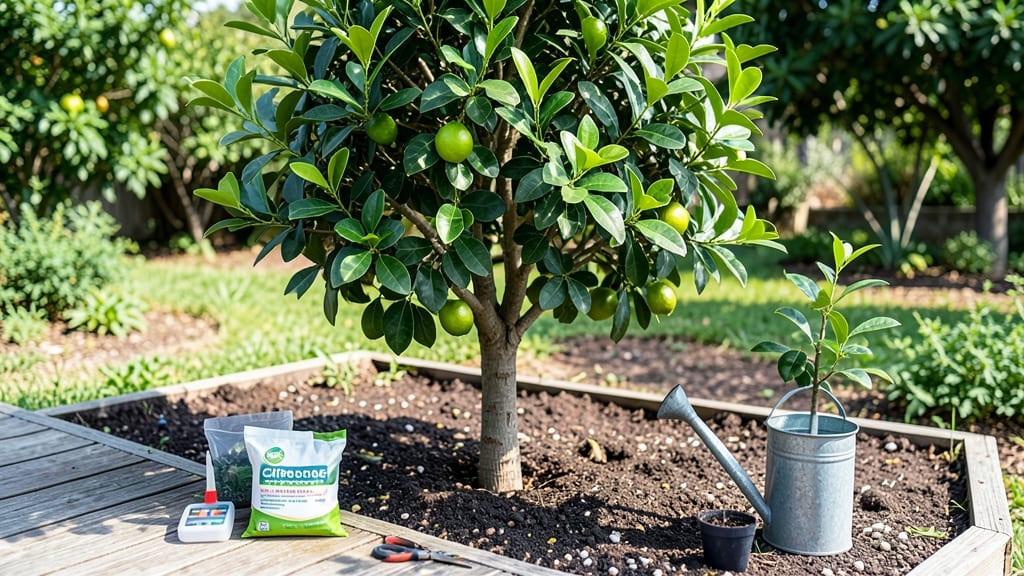
Your lime tree not flowering could be fixed with just three simple pruning adjustments—and it starts with understanding why blooms disappeared. 🌿 After years of pruning citrus trees, I’ve seen how a single cut can transform a bare tree into a fragrant, fruit-bearing beauty by next season.
The key? Timing, technique, and knowing what to remove (and what to leave alone).
Most lime trees skip flowering because they’re stressed—whether from over-pruning, poor light, or nutrient imbalances. I’ve revived stubborn trees by focusing on three pruning rules: cutting back only dormant wood, shaping to encourage sunlight penetration, and removing water sprouts that steal energy.
Even neglected trees respond within 6-8 weeks with fresh growth and buds.
You’ll end up with a tree that bursts into white blossoms by spring, followed by juicy limes in summer. The secret isn’t aggressive pruning—it’s strategic cuts that mimic natural shape while reducing stress.
Think of it like giving your tree a spa day: less clutter, better airflow, and the perfect conditions for blooming.
Works for Meyer limes, Persian limes, and even dwarf varieties—just adjust the scale. Skip this step, and you might wait years for flowers. Let’s get those branches in shape!
The Hidden Reasons Behind Missing Blooms
Lime trees are known for their fragrant white flowers, but when they fail to bloom, it’s often a sign that something fundamental is out of balance. Understanding the root causes—literally and figuratively—can help you diagnose the issue and take corrective action.
Below, we break down the most common reasons why your lime tree might be skipping its floral show, complete with actionable insights.
Lime trees (Citrus × limon) are sun-worshippers—they thrive in full sun (6–8+ hours of direct sunlight daily). When deprived of adequate light, the tree redirects its energy toward survival (leaf growth, root expansion) rather than flowering.
Why it happens:
- Photosynthesis slowdown: In low light, the tree produces less glucose, limiting the energy needed for flower bud formation.
- Dormancy triggers: Some lime varieties (like Meyer lemons) may enter a semi-dormant state in shaded conditions, delaying blooming.
- Weak structural growth: Shade-stressed trees prioritize vegetative growth (leaves/stems) over reproductive growth (flowers/fruit).
Actionable fix:
- Move potted lime trees to a south- or west-facing location (or use grow lights for 12–14 hours/day in winter).
- Prune nearby trees/shrubs blocking sunlight.
- In containers, ensure the entire canopy gets unfiltered light—avoid placing them under eaves or dense foliage.
Lime trees are tropical/subtropical and struggle with extreme cold or inconsistent temperatures. Both heat stress and chilling injury can disrupt flowering cycles.
Why it happens:
- Cold damage: Temperatures below 25°F (-4°C) can kill flower buds or prevent new ones from forming. Even light freezes (30–32°F / -1 to 0°C) may stunt blooming.
- Heat stress: Prolonged temperatures above 95°F (35°C) can cause flower drop or prevent bud initiation.
- Seasonal confusion: Some lime varieties need a cool winter period (50–60°F / 10–15°C) to trigger spring blooming—if temps stay too warm year-round, the tree may skip flowering.
Actionable fix:
- Protect from cold: Use frost cloths or move potted trees indoors before winter.
- Avoid heat spikes: Provide afternoon shade in scorching climates (e.g., shade cloth).
- Simulate seasons: If growing in warm climates, ensure a short cool period (e.g., 4–6 weeks below 70°F / 21°C) to mimic natural dormancy.
Flowering is a metabolic process, and water stress—whether drought or overwatering—can halt it.
Why it happens:
- Underwatering: Causes physiological drought stress, triggering the tree to conserve water by aborting flower buds.
- Overwatering: Leads to root suffocation (poor oxygen uptake), nutrient deficiencies, and reduced photosynthesis, all of which starve the tree of energy for blooms.
- Inconsistent moisture: Lime trees hate dry-wet cycles, which confuse their hormonal signals (like ethylene and gibberellins), delaying flowering.
Actionable fix:
- Water deeply but infrequently: Aim for 1–1.5 inches (2.5–4 cm) per week, letting the top 2–3 inches of soil dry out between waterings.
- Check drainage: Ensure pots have drainage holes and outdoor trees are planted on slightly elevated mounds.
- Mulch properly: Apply 2–3 inches of organic mulch (wood chips, straw) to retain moisture and regulate soil temp.
Flowering requires a precise balance of nutrients, especially phosphorus (P), potassium (K), and micronutrients like boron and zinc.
Why it happens:
- Nitrogen overload: Too much N (from fertilizer) promotes leafy growth at the expense of flowers.
- Phosphorus deficiency: P is critical for energy transfer—without it, flower buds fail to develop.
- Potassium shortage: K regulates enzyme activity needed for bud formation; a deficiency leads to weak, non-flowering growth.
- Micronutrient gaps: Boron (for cell wall formation) and zinc (for enzyme function) deficiencies are common in lime trees and directly inhibit flowering.
Actionable fix:
- Test your soil: Use a citrus-specific soil test kit to check NPK levels and micronutrients.
- Adjust fertilizer ratios: Switch to a balanced or low-N, high-P/K formula (e.g., 10-20-20 or 5-10-10) in early spring.
- Target micronutrients: Apply boron (1–2 ppm) and zinc sulfate (per package instructions) if deficiencies are suspected.
Even the healthiest lime trees need time and stability to flower. Stress from disease, pests, or improper care can derail blooming.
Why it happens:
- Young trees: Lime trees often take 3–5 years to mature enough for flowering.
- Root-bound pots: Circling roots restrict nutrient/water uptake, stunting growth and flower production.
- Pest/disease damage: Citrus leaf miners, aphids, or fungal infections (like citrus greening or root rot) divert energy away from blooms.
- Transplant shock: Recently moved trees may pause flowering for 1–2 seasons while recovering.
Actionable fix:
- Repot mature trees: If root-bound, prune roots and upgrade to a 10–15% larger pot with fresh soil.
- Inspect for pests: Treat aphids, scale, or mites with neem oil or horticultural oil.
- Boost immunity: Apply seaweed extract or compost tea to strengthen the tree’s defenses.
- Be patient: If the tree is under 5 years old, flowering may simply take time—focus on healthy growth first.
How to solve it
Reviving your lime tree’s flowering potential starts with identifying the root cause—and then taking action. Below are practical, step-by-step solutions tailored to the most common reasons why your lime tree isn’t blooming.
Each fix is designed to be simple, effective, and backed by pruning best practices. Plus, we’ll include prevention tips to keep your tree thriving long-term.
Problem: Over-pruning, wrong timing, or aggressive cuts can shock the tree, halting flower production. Fix:
- 🔪 Trim at the Right Time: Prune after flowering season (late winter to early spring) for Mexican lime trees or lightly in summer for Persian limes. Avoid heavy cuts during dormancy.
- 🌿 Focus on Shape, Not Size: Remove only dead, diseased, or crossing branches—never cut more than 25% of the canopy in one session.
- 🍃 Encourage Airflow: Thin out dense foliage to reduce humidity-related diseases (like powdery mildew), which stress the tree.
Prevention Tip: Use sterilized pruners (rubbing alcohol wipe) to prevent bacterial infections. Mark cuts with white-out paint to monitor healing progress.
Problem: Lime trees need 6–8 hours of direct sunlight daily to flower. Shade or indoor placement starves them of energy. Fix:
- 🏡 Move to Full Sun: Relocate potted lime trees to a south- or west-facing spot (or under a shade cloth with 30–50% coverage if in hot climates).
- 🌿 Gradual Acclimation: If transitioning from shade to sun, harden off the tree over 2–3 weeks to avoid sunburn.
- 💡 Supplement Light (Indoors): Use a grow light 12–14 hours/day if keeping the tree inside.
Prevention Tip: Rotate potted trees monthly so all sides get even light exposure.
Problem: Overwatering (root rot) or underwatering (stress) disrupts nutrient uptake, including flowering hormones. Fix:
- 💦 Water Deeply, Less Often: Let the top 2–3 inches of soil dry out between waterings. Stick your finger in—if it’s damp, wait!
- 🌱 Improve Drainage: Amend heavy clay soil with perlite or compost (1:1 ratio). Ensure pots have drainage holes.
- 🍋 Fertilize for Blooms: Use a balanced citrus fertilizer (e.g., 6-6-6 or 10-10-10) every 4–6 weeks during growing season (spring–fall). For extra blooms, switch to a high-phosphorus formula (e.g., 5-10-5) in late winter.
Prevention Tip: Mulch around the base (2–3 inches of organic mulch) to retain moisture and regulate soil temperature.
Problem: Lime trees thrive in USDA Zones 8–11 (or as houseplants). Cold drafts, heatwaves, or pests can halt flowering. Fix:
- ❄️ Protect from Cold: If temps drop below 30°F, cover the tree with frost cloth or move potted trees indoors.
- 🐜 Control Pests: Spray with neem oil (diluted) to deter aphids, scale, or spider mites—common sap-suckers that weaken trees.
- 🌿 Reduce Transplant Shock: If recently planted, avoid fertilizing for 6–8 weeks to let roots establish.
Prevention Tip: Monitor humidity—lime trees prefer 40–60% humidity. Use a pebble tray with water or humidifier indoors.
Problem: Weak trees (from disease, poor soil, or age) prioritize survival over flowering. Fix:
- 🍏 Test Soil pH: Lime trees prefer slightly acidic soil (pH 6.0–7.0). Adjust with sulfur (to lower pH) or lime (to raise pH) as needed.
- 🌿 Prune for Rejuvenation: Remove old wood (over 3 years) to encourage new growth, which often blooms more readily.
- 💊 Treat Fungal Issues: If leaves show yellow spots or black mold, spray with copper fungicide or baking soda mix (1 tbsp baking soda + 1 quart water + drop of dish soap).
Prevention Tip: Prune out diseased branches immediately—don’t leave them to spread.
💡 Pro Tip: Patience is key! Some lime trees take 2–3 years to flower after major stress (like transplanting). Track your fixes with a simple journal—note pruning dates, watering changes, and bloom responses.
Frequently asked questions
How long does it take for a lime tree to start flowering after pruning?
With proper pruning, most lime trees show new flower buds within 6-8 weeks during their natural blooming season. For aggressive pruning (like rejuvenation cuts), expect blooms to return in 1-2 years as the tree recovers. The key is timing—always prune after flowering season to avoid removing potential buds.
Can I use regular garden fertilizer instead of citrus-specific fertilizer?
While you can use regular fertilizer in a pinch, citrus trees need lower nitrogen and higher micronutrients (like boron and zinc) for flowering. Regular fertilizers often have too much nitrogen, which promotes leafy growth at the expense of blooms. For best results, switch to a citrus-specific formula (6-6-6 or 5-10-5 ratio) in late winter.
Why does my lime tree have leaves but no flowers?
Leafy growth without flowers usually means your tree is prioritizing survival over reproduction—common causes include over-fertilizing with nitrogen, insufficient sunlight, or root-bound pots. Check for these issues first: move to full sun, repot if needed, and switch to a low-nitrogen, high-phosphorus fertilizer to encourage blooming.
Is it normal for a young lime tree to not flower?
Yes! Most lime trees take 3-5 years to mature enough for flowering. Focus on establishing strong root growth and a healthy canopy first. Young trees need consistent care—proper sunlight, watering, and balanced nutrients—to develop the energy reserves needed for their first blooms.
What should I do if my lime tree's leaves turn yellow after pruning?
Yellowing leaves after pruning often signal over-pruning stress or nutrient deficiencies. To fix it: reduce watering temporarily (let soil dry more between waterings), apply a citrus micronutrient spray (especially iron and zinc), and avoid heavy pruning for 6 months. If the yellowing persists, test your soil pH—lime trees prefer 6.0-7.0.