
Pests and Diseases
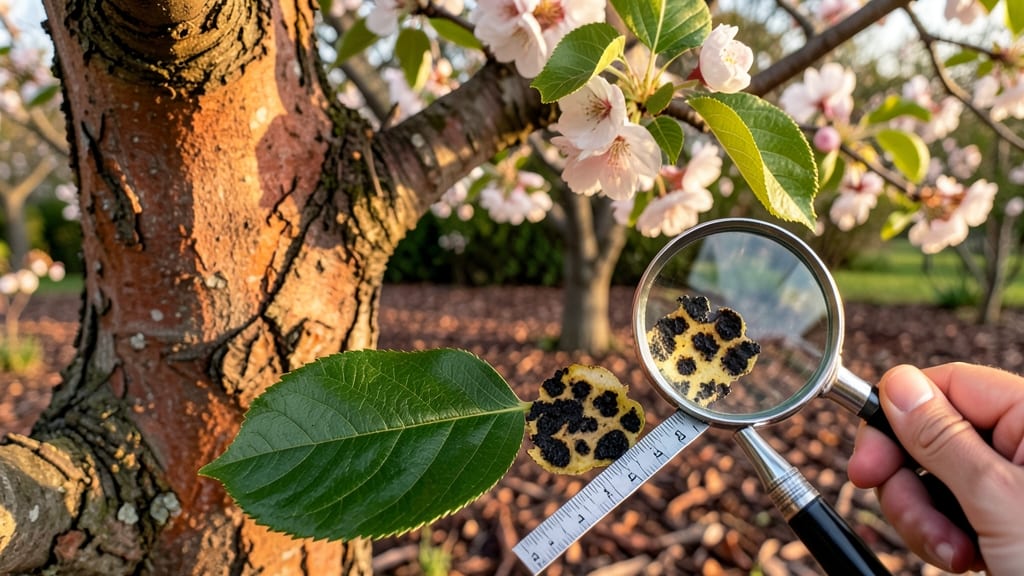
Black spots on cherry tree leaves are the classic sign of fungal blight—and I’ve seen it turn a lush canopy into a sad, spotted mess in just a few weeks. 🌿 The moment I noticed those dark, expanding patches on my tree’s leaves, I knew it wasn’t just an aesthetic problem; it was stealing nutrients and weakening the whole tree.
The good news? You can stop it before it spreads, and I’ll walk you through exactly how.
Most often, this is leaf spot or anthracnose, both thriving when summer humidity meets poor air circulation. Overwatering or wet foliage from sprinklers just gives the fungus a party—those black spots are its calling cards.
But here’s the thing: catching it early means you can save your tree without harsh chemicals. The key is acting fast with the right organic fixes.
By the time you’re done reading, you’ll know how to prune infected branches, apply the right fungicide (spoiler: baking soda works!), and adjust your watering to starve the fungus out.
Your tree’s leaves will go from spotted and sad to vibrant green again in just a few weeks—if you start today. Let’s get those spots under control.
Whether you’re dealing with a young sapling or a mature tree, the same principles apply. The sooner you act, the less damage the fungus can do. And if your tree is already looking skeletal?
Don’t panic—we’ll cover how to revive it too. Ready to turn those black spots into a thing of the past?
Understanding The Root Causes
Black spots on cherry tree leaves aren’t just an eyesore—they’re often a cry for help from your tree. 🌳🚨 Understanding the why behind these blemishes is the first step toward restoring your tree’s health. Below, we break down the most common culprits, their science-backed triggers, and what sets them apart.
---
Fungi are the #1 cause of black spots on cherry leaves, thriving in damp, warm conditions. These microscopic organisms release spores that latch onto leaves, feeding on nutrients and clogging stomata (tiny leaf pores). The result? Dark, often greasy or velvety spots that spread like wildfire if left unchecked.
Key fungal offenders: - Leaf Spot Diseases (Alternaria, Cercospora, Gloeosporium): These fungi create concentric rings or tar-like spots, often with yellow halos. Alternaria, for example, thrives in humid summers and can defoliate trees if severe. - Powdery Mildew: While it starts as white, it can darken leaves over time, especially on undersides. It’s not just a cosmetic issue—it weakens the tree’s photosynthesis. - Anthracnose: Causes sunken, dark spots that may ooze in wet weather. Common on young leaves and fruit, it’s a major threat to ornamental and fruit-bearing cherries.
Why it happens:
🔬 Science alert: Fungal spores germinate when leaf surfaces stay wet for 12+ hours. Overhead irrigation, dense foliage, and poor airflow create the perfect petri dish. Once established, fungi release enzymes that break down leaf tissue, turning healthy green into a blackened mess.
---
Bacteria like Pseudomonas syringae or Xanthomonas don’t just spot leaves—they infect them. These pathogens enter through wounds (pruning cuts, hail damage) or natural openings, then multiply rapidly in moist conditions. Unlike fungi, bacterial spots often have water-soaked edges that turn black and may ooze a foul-smelling gel.
Red flags: - Spots appear suddenly after rain or overhead watering. - Leaves may crinkle or curl as bacteria disrupt cell structure. - In advanced cases, cankers (sunken, dead patches) form on stems.
Why it happens:
🌡️ Temperature matters: Bacteria thrive between 60–85°F. Cool, wet springs (like those in the Pacific Northwest) are prime breeding grounds. Once inside the leaf, bacteria release toxins that trigger necrosis (cell death), turning tissue black.
---
Not all black spots are biological. Environmental factors—like nutrient deficiencies, chemical burns, or physical damage—can mimic disease symptoms. Here’s how to tell them apart:
| Cause | Spot Appearance | Other Clues | |-------------------------|-----------------------------------|------------------------------------------| | Iron Deficiency | Tiny, black speckles between veins | Yellowing between veins (chlorosis) | | Sulfur Deficiency | Yellow-green with blackened edges | Stunted growth, poor fruit set | | Herbicide Drift | Irregular, brown-black patches | Only on sun-exposed leaves | | Hail or Insect Damage | Torn or crushed areas turning black | Visible physical trauma |
Why it happens:
💧 Water and light matter: Overwatering or poor drainage leads to root asphyxiation, starving leaves of nutrients. Meanwhile, too much direct sun after rain can cause sun scald, where leaf edges crisp and darken. Even excessive nitrogen (from fertilizer) weakens leaves, making them susceptible to stress-related spotting.
--- Some pests don’t just eat leaves—they poop or inject toxins that leave black marks.
Watch for: - Aphids or Scale Insects: Their sticky honeydew attracts sooty mold, a black fungal film that coats leaves. - Japanese Beetles: Skeletons leaves behind, and their oral secretions can cause blackened, wilted patches. - Spider Mites: Tiny yellow spots (from feeding) turn black as leaves dry out.
Why it happens:
🐜 Pests = stress multipliers: Infestations weaken trees, making them vulnerable to secondary infections. For example, aphid honeydew creates a high-sugar environment that fungi love, accelerating black spot formation.
--- Improper pruning opens doors for pathogens. When you cut too close to branches (within the branch collar) or use dull tools, you create wounds that invite bacteria and fungi. These wounds can ooze, darken, and spread into the canopy.
Why it happens:
✂️ The 30-second rule: Fungi like Botryosphaeria can infect pruning cuts in as little as 30 seconds if tools aren’t sterilized. Wet wood (from rain) stays susceptible for weeks, turning pruning sites into blackened cankers.
Quick Fixes for Leaf Spots
Now that you’ve identified the culprit behind those unsightly black spots on your cherry tree leaves, it’s time to act! The good news? Most fungal issues are manageable with a mix of organic treatments, cultural adjustments, and preventive care.
Below, we’ve mapped out targeted solutions based on the most common causes—so you can restore your tree’s health without harsh chemicals.
---
**🔧 How to Treat It: Fungal infections thrive in moist, humid conditions, so your first line of defense is improving airflow and reducing leaf wetness.
#### 1. Prune for Better Airflow 🌬️🔪 - 🔹 Remove infected leaves and branches (sterilize pruners with rubbing alcohol between cuts). - 🔹 Thin out dense foliage to allow sunlight and air to circulate—fungi love shaded, damp areas. - 🔹 Focus on lower branches where humidity lingers.
#### 2.
Apply Organic Fungicides 🛡️🍄 Use these preventive sprays (apply in the evening to avoid burning leaves): - Neem oil solution** (1 tbsp neem oil + 1 tsp mild soap + 1 quart water). Reapply every 7–10 days during wet seasons. - Baking soda spray (1 tsp baking soda + 1 quart water + a few drops of soap). Test on a small leaf first—some trees are sensitive! - Copper fungicide (like Copper Soap or Copper Septicide). Use sparingly—it’s more of a last-resort treatment.
#### 3. Adjust Watering Habits 💧🚫 - Water at the base, not overhead (use a soaker hose or drip irrigation). - Water early in the day so leaves dry by evening. - Avoid wetting leaves during rainy seasons—consider tree skirts or mulch rings to redirect water.
#### 4. Clean Up Debris 🧹✨ - Rake and remove fallen leaves (where spores overwinter). - Disinfect tools after pruning to prevent spreading spores. - Mulch properly (2–4 inches of organic mulch, but keep it 6 inches away from the trunk).
--- **🛡️ How to Treat It: Pests create entry points for fungi and stress the tree. Knock them out with these gentle but effective methods:
#### 1. Blast Away Pests with Water 💦🐛 - Hose off leaves with a strong stream of water (early morning works best). - Use a shop vacuum (with a fine nozzle) to suck up mites and aphids.
#### 2. Introduce Beneficial Insects 🐝🦋 - Ladybugs, lacewings, or parasitic wasps (available at garden centers) devour aphids and mites. - Plant companion flowers like marigolds or dill to attract predator insects.
#### 3. Apply Insecticidal Soap or Oil 🧼🍃 - Insecticidal soap (like Safer® Brand)—spray directly on pests (avoid hot days, as it can burn leaves). - Horticultural oil (dormant oil in winter, summer oil in growing season). Shake well before use!
#### 4. Strengthen Tree Resistance 💪🌱 - Fertilize with compost or organic fertilizer (like fish emulsion) to boost immunity. - Avoid over-fertilizing with nitrogen—it encourages soft, pest-loved growth.
--- **🌱 How to Fix It: When trees are weakened by stress, they’re more susceptible to infections. Here’s how to revitalize your cherry tree:
#### 1. Improve Soil Drainage 🏗️💧 - Test soil pH (cherry trees prefer slightly acidic to neutral, 6.0–7.0). - Amend heavy clay soil with compost or perlite to prevent waterlogging. - Avoid compacting soil around the base—mulch helps!
#### 2. Mulch Like a Pro 🌿🎯 - Use 2–3 inches of organic mulch (wood chips, straw). - Keep mulch 6 inches from the trunk to prevent rot. - Replenish annually—mulch breaks down and loses effectiveness.
#### 3. Water Deeply and Infrequently 🌊⏳ - Water deeply 1–2 times per week (depending on climate) rather than daily shallow watering. - Check soil moisture—stick your finger 2 inches down; if dry, it’s time to water. - Use a moisture meter for precision (especially in drought-prone areas).
#### 4. Provide Shade in Extreme Heat ☀️🌳 - Temporary shade cloth (30–50% coverage) can protect young trees from heat stress. - Plant shade-tolerant ground covers (like creeping thyme) to reduce evaporation.
--- Once your tree is healthy, prevent recurrence with these long-term strategies:
- 💡 Monitor regularly—check leaves weekly for early signs of spots or pests. - 🌡️ Time your pruning—prune in late winter or early spring (avoid summer cuts, which slow healing). - 🍄 Rotate fungicides—if you use sprays, alternate between neem oil, copper, and baking soda to prevent resistance. - 🐞 Encourage biodiversity—birds, bees, and beneficial insects naturally control pests. - 🌱 Plant disease-resistant varieties—if your tree is prone to blight, consider ‘Stella’ or ‘Royal Ann’ cherries, which are more resistant.
--- 🚀 Pro Tip: If black spots persist after 2–3 weeks of treatment, consult a local arborist—sometimes, the issue runs deeper (like root rot or nutrient deficiencies).
With these targeted fixes, your cherry tree should bounce back stronger—and those leaves will be spot-free and vibrant** in no time! 🌿💚
Frequently asked questions
Can I use household items like vinegar or lemon juice to treat black spots on cherry leaves?
While vinegar (diluted to 1 part vinegar to 3 parts water) can help as a natural fungicide, it’s not ideal for cherry trees. The acidity may burn leaves or disrupt soil pH over time. Lemon juice is even riskier—it’s too acidic and can damage foliage. Stick to safer organic options like baking soda spray or neem oil, which are gentler and more effective for fungal issues.
How do I know if my cherry tree’s black spots are from a fungal disease vs. pest damage?
Fungal spots usually appear as dark, greasy patches with yellow halos, often on older leaves. Pest-related black spots, however, often come with visible insects, sticky residue (honeydew), or skeletonized leaves. Check the undersides of leaves—fungi may show fuzzy growth, while pests leave eggs, webbing, or tiny chewed holes. If you see both, you likely have a secondary infection from pest stress.
Is it safe to prune infected branches during rainy weather?
Never prune during rain or high humidity—it spreads fungal spores like wildfire! Wait for dry, sunny conditions, then sterilize your pruners with rubbing alcohol between cuts. Remove infected branches 1–2 inches below the spot and dispose of them in the trash (not compost). Prune in late winter or early spring for best results, when the tree is dormant.
Will my cherry tree recover if most of its leaves are already blackened?
Even severely affected trees can recover with prompt action! Start by pruning all infected leaves and applying fungicide. Focus on improving airflow and watering habits. Young trees may regrow a full canopy in 1–2 seasons, while mature trees might take longer. If more than 50% of leaves are dead, consult an arborist to rule out root issues or systemic disease.
How often should I apply neem oil to prevent black spots?
For prevention, apply neem oil every 7–10 days during wet seasons (spring/fall). Mix 1 tablespoon neem oil + 1 teaspoon mild soap + 1 quart water, and spray in the evening to avoid leaf burn. Stop applications 2 weeks before harvest if your tree bears fruit. Rotate with baking soda spray every other treatment to prevent resistance.