
Trees
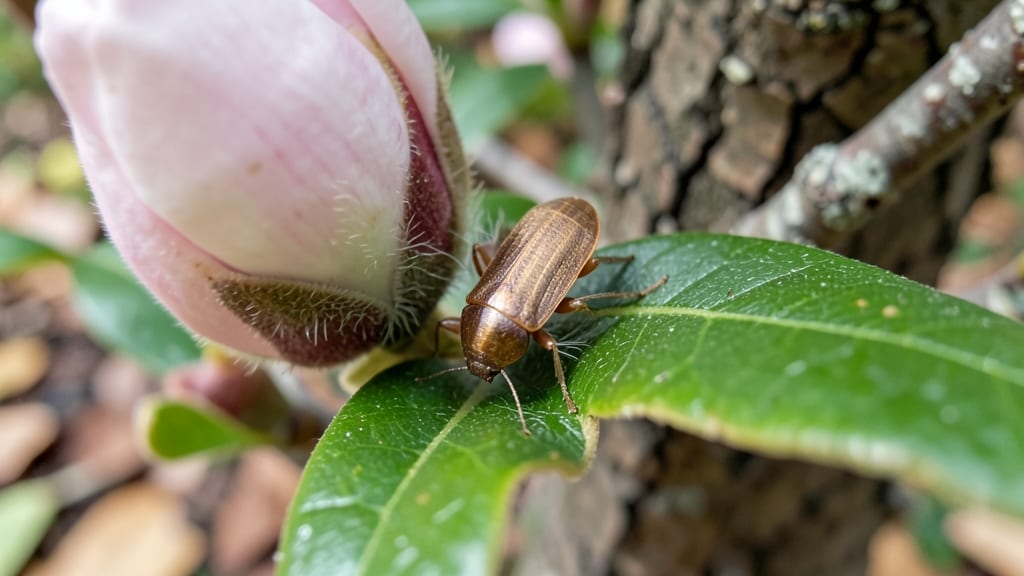
Those stunning magnolia tree insects—like lace bugs, scale, or webworms—can strip your tree of its beautiful blooms if left unchecked. 🌿 I’ve battled these pests in my own yard, and the key to saving your tree’s flowers starts with early action—before the damage becomes visible.
The worst offenders are lace bugs, which suck sap from leaves, causing yellow spots and premature leaf drop, while scale insects create sticky residue that attracts ants and sooty mold. Webworms, on the other hand, chew through foliage, turning leaves into lace-like skeletons.
The damage isn’t just cosmetic—it weakens the tree over time, reducing next year’s blooms. With the right natural traps and organic sprays, you can protect your magnolia’s health without harsh chemicals.
I’ll show you how to spot these pests early, use homemade remedies, and set up barriers to keep them away for good. Your tree’s future blooms depend on it.
This works for both young and mature magnolias, whether you’re dealing with a new infestation or want to prevent one before it starts. Let’s get your tree back to its full, fragrant glory.
Root Causes of Magnolia Tree Pests
Understanding why insects target your magnolia tree starts with recognizing the tree’s natural appeal—and the environmental factors that make it a prime buffet. Magnolias, with their fragrant blooms and lush foliage, are like all-you-can-eat buffets for hungry pests.
But the real story lies in the why behind their visits. Let’s break it down into the key triggers that turn your tree into an insect magnet.
Magnolia trees are packed with sugary sap, soft new growth, and protein-rich leaves—a gourmet meal for many insects. Here’s the science: - High sugar content: Magnolia flowers contain nectar and pollen that are irresistible to bees, beetles, and moths.
Some insects, like the magnolia scale, even feed on the sap itself, which is loaded with simple sugars. - Tender young leaves: New growth is less chemically defended than mature leaves, making it an easy target for caterpillars, sawflies, and leaf miners. - Aromatic compounds: The same compounds that give magnolias their fragrance (like linalool and limonene) can also attract beneficial pollinators—but also pests like magnolia shoot borers and webworms.
Pro tip: 💡 If your tree is over-fertilized, the extra nitrogen makes leaves even more palatable to chewers like Japanese beetles and tent caterpillars.
Magnolias thrive in southern and southeastern U.S. climates, where warm winters and high humidity create the perfect storm for insect outbreaks. Here’s how: - Extended growing seasons: Longer warm periods mean more generations of pests per year.
For example, the magnolia scale can reproduce year-round in these zones. - Moisture-loving insects: Species like magnolia webworms and leafhoppers thrive in humid conditions, as they rely on dew and rain to survive their early stages. - Stress from heat: Drought or heat stress weakens trees, making them more susceptible to borers and bark beetles, which attack compromised wood.
Pro tip: 🌡️ If you live in a hot, dry climate, deep watering (not just surface soaks) can help strengthen roots and deter borers.
A healthy magnolia is naturally resistant to many pests—but stress opens the door.
Common stressors include: - Poor soil drainage: Root rot from waterlogged soil weakens trees, making them easier targets for bark beetles and shoot borers. - Compacted or nutrient-poor soil: Lack of organic matter reduces root health, leaving trees vulnerable to aphids and mites, which thrive on stressed foliage. - Physical damage: Broken branches, improper pruning, or storm wounds create entry points for wood-boring insects like the magnolia shoot borer. - Disease pressure: Fungal infections (like anthracnose) or bacterial leaf spots attract secondary pests that feed on already compromised tissue.
Pro tip: ✨ Mulch properly (2–4 inches of organic mulch, kept 6 inches away from the trunk) to retain moisture, regulate soil temp, and deter pests that love dry, cracked soil.
Not all insects are villains—many are pollinators or natural predators.
But when their populations explode, they can become pests themselves: - Bees and wasps: While they pollinate, swarms of carpenter bees or paper wasps can damage flowers and buds if their nests take over branches. - Ladybugs and lacewings: Normally helpful, but overwintering clusters (like Asian lady beetles) can stain bark and smother buds if they gather in massive numbers. - Ants: They farm aphids and scales, protecting them from predators in exchange for honeydew.
This creates a mutually beneficial (but destructive) relationship for your tree.
Pro tip: 🔥 Encourage natural predators (like parasitic wasps and ladybugs) by planting companion flowers (e.g., dill, yarrow, or alyssum) near your magnolia—they’ll keep pest populations in check.
When magnolias are planted too close together or compete with other vegetation, they become stressed and susceptible to pests:
- Lack of airflow: Fungal diseases (like powdery mildew) and insects (e.g., spider mites) thrive in shady, damp, low-airflow conditions.
- Root competition: Grass, weeds, or neighboring trees stealing nutrients force magnolias to put out weak, pest-prone growth.
- Improper pruning: Over-trimming or pruning at the wrong time (late winter/early spring) stimulates soft, tender growth—a buffet for caterpillars and beetles.
Pro tip: 🌿 Space magnolias 15–20 feet apart for proper airflow, and prune in late summer/early fall to avoid encouraging new, vulnerable growth.
Natural Fixes for Tree Pests
When pests invade your magnolia tree, the good news is that many solutions are simple, chemical-free, and effective. Below are targeted fixes for common magnolia tree insects, along with prevention tips to keep your tree thriving.
Scale insects cling to branches, sucking sap and leaving sticky residue. Here’s how to tackle them:
- 🍳 Manual Removal Wrap a soft cloth or sponge around a stick and gently scrape off visible scales. Do this in early spring before they multiply.
- 👨🍳 Horticultural Oil Spray Mix 1 tablespoon of horticultural oil per quart of water in a spray bottle. Apply thoroughly to infested areas, focusing on undersides of leaves. Reapply every 7–10 days for 2–3 weeks.
- 🥘 Beneficial Insects Release ladybugs or parasitic wasps (like Aphytis melinus) to naturally control scales. Order them from garden supply stores.
💡 Prevention Tip: Prune branches with heavy infestations and dispose of them in sealed bags to prevent reinfestation.
These tiny larvae tunnel through leaves, causing unsightly damage. Act fast to stop their spread:
- 🔪 Remove Infested Leaves Pick off and destroy heavily damaged leaves immediately. Drop them in soapy water to kill larvae.
- 🌡️ Yellow Sticky Traps Hang yellow sticky cards near the tree to catch adult flies before they lay eggs. Replace every 2 weeks.
- ✨ Neem Oil Treatment Spray a 1% neem oil solution (1 tbsp neem oil + 1 tsp mild soap per gallon of water) on both leaf surfaces. Repeat every 5–7 days until new growth appears.
💡 Prevention Tip: Encourage birds and predatory mites by planting nearby flowers like dill or fennel—they love to snack on leaf miners!
Webworms spin silky nests in branches, defoliating magnolias quickly. Here’s how to eliminate them:
- 🔥 Prune and Destroy Cut off heavily webbed branches and burn or bag them (do not compost). Do this in late winter or early spring.
- 🎯 Burlap Band Traps Wrap branches with burlap bands in spring. Webworms will crawl into the fabric—remove and drown them in soapy water weekly.
- 🌡️ Bacillus thuringiensis (Bt) Spray Bt (a natural bacteria) on foliage when caterpillars are small. It’s safe for humans and pets but deadly to larvae.
💡 Prevention Tip: Shake branches over a tarp in late summer to dislodge cocoons before they hatch. Dispose of them far from your yard.
These metallic invaders devour leaves and flowers. Stop them before they strip your magnolia bare:
- 👨🍳 Handpick Daily Fill a bucket with soapy water and handpick beetles in the early morning. Drop them in the bucket to drown.
- 🌿 Milky Spore Application Apply milky spore powder (a natural soil bacteria) to your lawn. It targets Japanese beetle grubs before they emerge.
- 🎯 Pheromone Traps (Use Caution!) Place Japanese beetle traps far from your magnolia—they can attract more beetles if placed too close!
💡 Prevention Tip: Plant beetle-repelling flowers like marigolds, geraniums, or roses nearby to deter them.
No matter the pest, a strong tree resists damage better. Try these preventive care tips:
- 💪 Water Deeply Weekly – Keep soil 2–3 inches moist (not soggy) to encourage root health.
- 🍎 Mulch Properly – Apply 2–3 inches of mulch (wood chips or bark) around the base, keeping it 6 inches away from the trunk.
- 🌡️ Prune for Airflow – Thin out dense branches to reduce humidity (pests love damp, shaded areas).
- 🔄 Rotate Natural Sprays – Alternate between neem oil, insecticidal soap, and horticultural oil to prevent resistance.
Final Thought: Most magnolia pests can be controlled without harsh chemicals—just stay vigilant and act early! With these natural fixes, your tree’s blooms will stay lush, healthy, and pest-free for seasons to come. 🌸🌿
Frequently asked questions
What are the most common signs my magnolia tree has insects?
Look for sticky residue (honeydew) on leaves or branches—this signals scale or aphids. Check for yellow spots or holes in leaves (lace bugs or leaf miners), silky webs in branches (webworms), or metallic beetles chewing foliage (Japanese beetles). Early detection is key!
Can I use neem oil on a magnolia tree in full bloom?
Yes, but with caution. Neem oil is safe for blooms if applied in the early morning when flowers are closed and bees are less active. Avoid spraying directly on open blossoms—focus on leaves and stems instead. Always dilute it properly (1 tablespoon per gallon of water).
How do I know if my magnolia tree is stressed enough to attract pests?
A stressed magnolia shows yellowing leaves, sparse blooms, or cracked bark. Check for poor soil drainage (waterlogged roots) or compacted soil (roots can't breathe). Over-fertilizing or pruning at wrong times (late winter) also weakens trees, making them prime targets for borers and beetles.
Are there any insects that actually help my magnolia tree?
Ladybugs, lacewings, and parasitic wasps prey on pests like scales and aphids. Plant companion flowers (dill, yarrow) near your magnolia to attract these helpful bugs. Even birds eat caterpillars and beetles—installing a bird feeder nearby can be a natural pest control strategy!
When is the best time to treat my magnolia for insects?
Act in early spring (before buds open) or late summer (after blooming season). This prevents harming pollinators while catching pests early. For webworms, treat in late winter before they hatch. Always apply sprays on calm days (no wind) to avoid drift onto flowers.