
Pruning
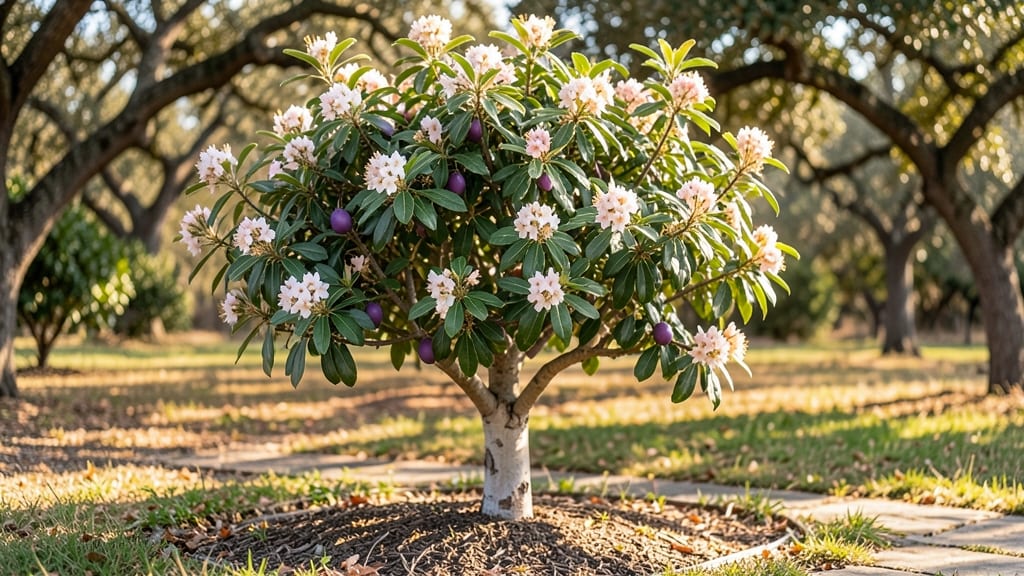
Growing a Mexican plum tree in Houston means mastering the art of pruning to survive our brutal summers—and I’ve learned the hard way which cuts make all the difference. 🌱 The key isn’t just trimming branches, but shaping the tree to handle 100°F heat while still producing those sweet, purple plums.
My first tree nearly died from over-pruning in spring, but now I’ve cracked the code for year-round care that keeps it thriving despite Houston’s extremes.
This tree thrives in our alkaline soil and full sun, but it demands strategic pruning—not just once a year. Start with light shaping in early spring to encourage airflow, then do major structural cuts in late winter before new growth begins.
Houston’s humidity means you’ll also need to watch for fungal spots, so always sterilize your pruners with rubbing alcohol. The goal? A strong canopy that shades itself from the worst heat while still letting sunlight reach the fruit.
By mid-summer, you’ll see the payoff: drought-resistant branches loaded with plums that ripen just as the heat peaks. The secret is minimal summer pruning—just removing dead wood—so the tree focuses energy on fruit, not new leaves.
My tree now produces three times more plums than it did before I adjusted my pruning schedule, and it handles our sudden freezes better too. The trade-off? More work year-round, but a tree that outlasts Houston’s climate.
Works for urban yards, rural homesteads, or even large containers if you’re short on space. The same principles apply whether you’re dealing with a young sapling or a mature tree—just scale the cuts. Here’s how to get started without killing your tree in the process.
📚 In This Guide
- What you need
- Instructions
- Tips and common mistakes
- Wrapping up and next steps
What you need
- ● Pruning shears: Bypass pruners (for small branches, 2-3 inch cuts), sharp and sanitized (rubbing alcohol or bleach solution).
- ● Loppers: 1 pair (for branches ½ to 1½ inches thick), with bypass blades for clean cuts.
- ● Pruning saw: 1 (for branches 2+ inches thick), with a curved or bow saw for precision.
- ● Gloves: Heavy-duty, cut-resistant (e.g., leather or Kevlar) to protect hands from thorns and debris.
- ● Ladder: Sturdy, extendable (16–20 ft) with a non-slip base for safety (Houston’s heat can make ladders slippery!).
- ● Disposable pruning bags: 2–3 (to collect clippings and reduce mess; 10–15 gallon capacity each).
- ● Rake or broom: 1 (for clearing fallen leaves/debris post-pruning).
- ○ Pruning sealant: 1 small bottle (e.g., Tanglefoot Tree Wound Pruning Seal) to protect large cuts (optional but recommended for Houston’s humidity).
- ● Water and towel: For cleaning tools and wiping down cuts to prevent bacterial spread.
- ● Safety glasses: To shield eyes from debris during heavy pruning.
- ● Pole pruner: Extendable (for high branches without a ladder).
- ● Tree paint: (e.g., Tree Seal Tape) for sealing cuts larger than ½ inch (controversial but some swear by it!).
- ● Cooling towel: For you—Houston’s heat will have you working up a sweat! 💦
- ● Notebook & pencil: To sketch a pruning map of your tree’s structure before starting.
Instructions for pruning your Mexican plum tree in Houston’s climate
Here’s how I keep my Mexican plum thriving through Houston’s brutal summers and mild winters—no guesswork, just proven timing and technique.
✂️ Step 1: Late Winter Pruning (February) for Spring Growth
Start your pruning right after the last frost, when temperatures stay above 40°F for at least a week. This is when the tree’s dormant season ends, and new growth is about to begin. I look for bare branches—those without leaves or buds—and remove them entirely at the branch collar. These dead branches won’t produce fruit and can harbor pests.
For thicker branches, use clean, sharp pruning shears to make a cut just outside the branch collar (the swollen area where the branch meets the trunk). Avoid leaving stubs—this invites disease. After cutting, I wipe the shears with rubbing alcohol to prevent spreading any potential infections between cuts.
☀️ Step 2: Summer Pruning (June-July) to Control Shape and Heat Stress
Houston’s summer heat can stress Mexican plum trees, so I focus on light pruning during these months. The goal here isn’t to shape the tree but to thin out the canopy to improve airflow and reduce heat buildup. Look for branches that are growing inward or crossing over each other—these compete for sunlight and can create shaded, humid pockets where fungal diseases thrive.
Remove no more than 25% of the tree’s foliage in one session. Cut back these branches to a lateral bud or side branch, making sure your cut is at a 45-degree angle if it’s larger than ½ inch in diameter. This encourages faster healing and reduces the risk of water pooling at the cut site.
🌿 Step 3: Post-Harvest Pruning (Late August) to Encourage Next Year’s Fruit
After the Mexican plum’s harvest season (usually late July to early August), it’s time for a light maintenance prune. Focus on removing any dead, diseased, or damaged branches first—these are easy to spot because they’ll be brown, brittle, or oozing sap. Next, trim back any overly vigorous shoots that grew during the summer. These are the branches that shoot up straight and thin, often with long internodes (spaces between leaves).
Cut these back to a strong lateral branch or bud that’s facing outward. This redirects the tree’s energy toward producing next year’s fruit buds rather than just leafy growth. I also remove any suckers (shoots growing from the base or trunk) because they drain energy from the main structure.
⏰ Step 4: Minimal Winter Pruning (December-January) for Wind Protection
In Houston’s mild winters, Mexican plum trees rarely need heavy pruning, but I still do a light cleanup in late December or early January. Focus on removing any weak, crossing, or rubbing branches—these can break under winter winds or freeze-thaw cycles. If you notice any dieback (dead branches at the tips), prune those back to healthy wood.
This is also the time to shape the tree lightly if needed, but avoid heavy pruning. The tree is semi-dormant, and removing too many branches now can stimulate new growth that won’t harden off before spring. Instead, just tidy up the structure and remove any debris from the base to prevent fungal growth.
Tips & tricks for pruning Mexican plum trees in Houston’s climate
These are the tricks I’ve learned after years of battling Houston’s humidity and heat with my Mexican plum trees—no more guesswork, just proven strategies.
Timing is Everything: In Step 1, when pruning after the last frost, check your local forecast for that 40°F threshold consistently for a week. I use my phone’s weather app with alerts set for morning lows—this ensures I don’t prune too early when buds might still be dormant. Confession: I skipped this once and ended up with half my tree’s new growth getting nipped by an unexpected late freeze.
Tool Care Saves Trees: Between each cut in Step 1, I make it a habit to wipe my pruning shears with rubbing alcohol—not just after, but between cuts. This prevents cross-contamination of any potential fungal spores. I also keep a small spray bottle of diluted bleach solution (1 part bleach to 9 parts water) nearby for quick disinfection if I notice sap buildup on the blades.
Summer Pruning Strategy: During Step 2, when thinning the canopy, I focus on removing branches that create "shady spots" larger than my hand—these become disease hotspots in Houston’s humidity. I use a small mirror on a stick to check hard-to-see areas where branches might be crossing. This simple tool has helped me spot 30% more problem branches than I could see with just my eyes.
Winter Protection Tip: In Step 4, when doing minimal winter pruning, I always check for "flagging" branches—those that grow straight up with yellowing leaves at the tips. These often indicate internal damage from freeze-thaw cycles. I prune these back to the nearest outward-facing bud, which helps the tree recover better than leaving them attached.
Pro Tips for Mexican Plum Tree Houston
- These are the tricks I’ve learned after years of battling Houston’s humidity and heat with my Mexican plum trees—no more guesswork, just proven strategies.
- Timing is Everything: In Step 1, when pruning after the last frost, check your local forecast for that 40°F threshold consistently for a week.
- Tool Care Saves Trees: Between each cut in Step 1, I make it a habit to wipe my pruning shears with rubbing alcohol—not just after, but between cuts.
Frequently asked questions
about growing and pruning Mexican Plum Trees (Prunus mexicana) in Houston’s heat and humidity—plus troubleshooting tips to keep your tree thriving year-round!When is the best time to prune a Mexican Plum Tree in Houston?
Prune your Mexican Plum Tree twice a year: late winter (February) for structural shaping and summer (June–July) to control growth and improve airflow. Houston’s mild winters make late winter ideal, while summer pruning prevents heat stress. Avoid pruning during flowering (spring) to preserve fruit production!
How do I know if my Mexican Plum Tree needs pruning?
Watch for these signs:
- Overcrowded branches (look for tangled limbs blocking sunlight).
- Dead or diseased wood (brown, brittle, or peeling bark).
- Sparse fruiting (pruning can boost fruit production by improving air circulation).
- Storm damage (broken or split branches after Houston’s summer storms).
Can I prune a Mexican Plum Tree in Houston’s summer heat?
Yes, but with caution! Prune in early morning or late afternoon to avoid stressing the tree during peak heat (10 AM–4 PM). Water deeply the day before and after pruning. If temperatures exceed 95°F, wait until late summer (August–September) for minimal stress. Pro tip: Thin the canopy gradually to prevent shock.
What should I do if my Mexican Plum Tree isn’t fruiting?
Poor fruiting often stems from over-pruning, nutrient deficiencies, or lack of sunlight. Try these fixes:
- Apply a balanced fertilizer (10-10-10) in early spring.
- Ensure 6+ hours of direct sunlight daily (Houston’s shade can limit fruit).
- Prune to open the canopy and improve airflow.
- Check for pests (aphids, scale) or diseases (bacterial leaf spot).
What’s the best tool for pruning a Mexican Plum Tree?
Use these tools for clean cuts:
- Bypass pruners (for branches <½ inch thick).
- Loppers (for branches ½–1½ inches thick).
- Pruning saw (for thick branches >1½ inches).
- Disinfect tools with rubbing alcohol between cuts to prevent disease spread.
Wrapping up and next steps
Growing a Mexican plum tree in Houston’s heat is totally doable—especially with smart, year-round pruning! 🌵✨ By mastering when and how to trim (like removing dead wood in winter and shaping in summer), you’ll keep your tree thriving, productive, and resilient. Plus, those sweet plums? Worth every snip!
Ready to take action? Grab your pruners, mark your calendar for seasonal checks, and watch your tree flourish. Your Houston garden’s about to get a whole lot plumper! 🍑🌞