
Container Gardens
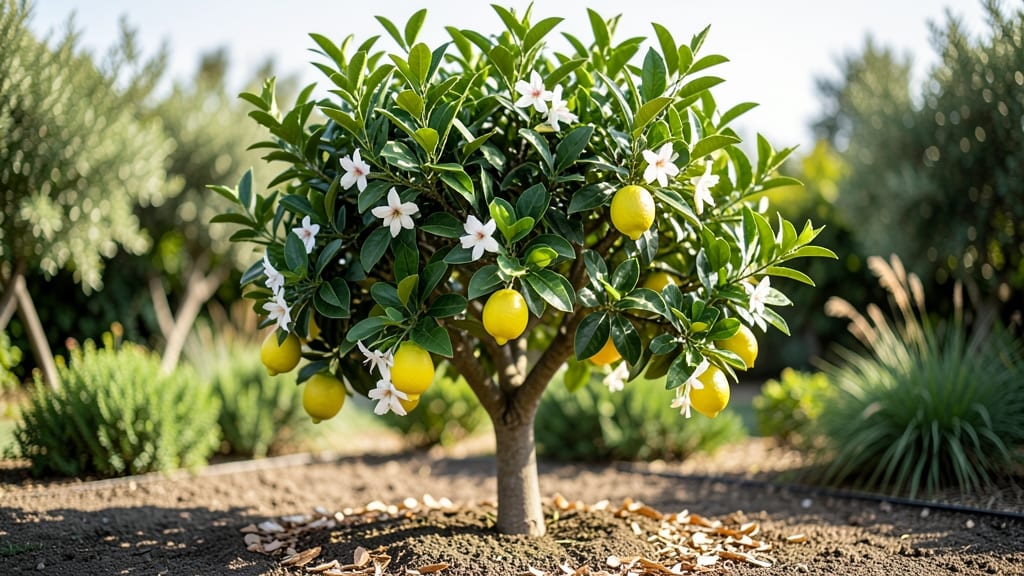
Choosing the right pot size for your Meyer lemon tree 🍋 is the difference between a thriving citrus plant and one that struggles to grow.
Struggling to keep your Meyer lemon tree thriving? The right pot size isn’t just about aesthetics—it’s the foundation for strong roots, abundant fruit, and long-term plant health.
Meyer lemon trees need at least a 5-gallon pot to prevent root-bound stress, which can stunt growth and reduce fruit production. Too small, and you’ll end up with yellowing leaves or even leaf drop.
Below, I’ll break down the ideal pot sizes for every growth stage—from seedlings to mature trees—plus tips for repotting, soil mix, and material recommendations to keep your tree happy for years.


Why Meyer lemon trees need a minimum 5-Gallon pot (root health secrets)
If you’ve ever watched your Meyer lemon tree struggle with yellowing leaves or stunted growth, the culprit might be a pot that’s too small. I’ve learned the hard way that these citrus beauties aren’t just picky—they’re root-sensitive.
A 5-gallon pot isn’t just a recommendation; it’s a survival requirement for healthy roots and vibrant fruit production.
Meyer lemon trees thrive in containers, but their roots need space to breathe—literally. In a cramped pot, roots become root-bound, circling the bottom like tangled vines. This restricts nutrient uptake and oxygen flow, leading to chlorosis (yellow leaves) and poor fruit development.
The 5-gallon minimum gives roots enough room to spread and access the moisture and nutrients they crave.
Here’s the science: Roots need oxygen and water to function properly. A small pot dries out faster, forcing roots to compete aggressively for resources. Without proper drainage and air circulation, roots suffocate, leading to nutrient deficiencies and stress.
That’s why even young seedlings benefit from a 5-gallon starter pot—it sets them up for success.
| Factor | Why It Matters | 5-Gallon Solution |
|---|---|---|
| Root Space | Roots need room to expand; root-bound trees struggle to absorb nutrients. | Provides 12-18 inches of root spread for young trees. |
| Drainage | Poor drainage causes root rot and suffocation. | Ensures excess water escapes; use terracotta or fabric pots. |
| Oxygenation | Compacted soil starves roots of oxygen, slowing growth. | Loose, well-aerated soil mix promotes healthy root systems. |
| Nutrient Uptake | Small pots deplete nutrients faster, leading to deficiencies. | Holds enough soil to retain moisture and nutrients longer. |
| Stability | Top-heavy trees in small pots tip over easily. | Wide base and weight distribution prevent tipping. |
One of the biggest mistakes I see is using 3- or 4-gallon pots for Meyer lemons. These may work for herbs or small succulents, but citrus trees are heavy feeders. In my first attempt, my tree’s leaves turned yellow within months—classic iron deficiency from cramped roots.
Once I upgraded to a 7-gallon pot, new growth appeared within weeks, and the leaves regained their deep green color.
Another critical factor is drainage holes. Without them, water pools at the bottom, drowning the roots. I’ve seen Meyer lemons in decorative pots without drainage holes suffer from root rot, even with careful watering.
Always choose pots with holes, and add a layer of gravel or perlite at the bottom to improve airflow.
Material matters too. Terracotta pots wick away moisture, which helps in hot climates, but they dry out faster. Plastic pots retain moisture longer but can trap heat. For my indoor Meyer lemon, I use a fabric grow bag—it breathes, drains well, and prevents root circling.
If you’re in a humid climate, terracotta is your best bet to avoid fungal issues.
Let’s talk about repotting. If your tree outgrows its pot, don’t wait until it’s desperate. A good rule of thumb is to upgrade when roots start circling the bottom or growing out of the drainage holes.
For mature Meyer lemons, aim for 15-30 gallons depending on the variety. I repot mine every 2-3 years in spring, using fresh citrus-specific potting mix with perlite for aeration.
Finally, remember that size isn’t everything. Even a large pot won’t help if the soil is compacted or lacks nutrients. Always use a well-draining citrus mix with organic matter like compost or worm castings.
My secret? A blend of 50% potting soil, 30% perlite, and 20% compost keeps roots happy and healthy.
Your Meyer lemon tree’s health starts at the roots. By giving it the 5-gallon minimum (or larger as it grows), you’re not just following a rule—you’re giving it the space it needs to thrive, fruit abundantly, and bring sunshine to your patio year after year. 🌱🍋
Best pot sizes for Meyer lemon trees by growth stage (with upgrading guide)
Choosing the right pot size for your Meyer lemon tree is critical—skimp on space, and you’ll stunt growth or trigger root-bound stress. Seedlings need cozy starter pots, while mature trees demand 15+ gallons to support their thirsty roots and fruit production.
The key? Upgrading at the right stages to prevent circular root growth and ensure your tree thrives for years.
Your Meyer lemon tree’s pot size evolves alongside its growth. A 1-gallon pot works for seedlings, but by year two, you’ll need a 5-gallon minimum to avoid nutrient deficiencies.
For dwarf varieties (6–10 ft tall), aim for 15–25 gallons at maturity, while standard trees (10–15 ft) require 30+ gallons. The material matters too—terracotta pots wick away moisture, while plastic pots retain heat better in cooler climates.
| Growth Stage | Recommended Pot Size | Drainage Needs | Material | Upgrade Time |
|---|---|---|---|---|
| Seedling (0–6 months) | 1–3 gallons | 4+ drainage holes | Plastic or terracotta | When roots fill pot (3–6 months) |
| Young Tree (6–18 months) | 5–7 gallons | 6+ drainage holes | Terracotta (prevents rot) | When leaves yellow or growth stalls |
| Mature Dwarf (2+ years) | 15–25 gallons | 8+ drainage holes | Plastic (retains heat) | Annually in spring |
| Standard Tree (3+ years) | 30+ gallons | 10+ drainage holes | Fabric grow bags | Every 2–3 years |
Upgrading pots isn’t just about size—it’s about root health. When repotting, loosen roots gently to prevent root circling, then add a citrus-specific soil mix (50% potting soil, 30% perlite, 20% compost).
For dwarf varieties, prioritize wide pots over deep ones to encourage outward root growth. Standard trees need depth—24-inch-deep pots prevent top-heaviness and support heavy fruit loads.
Material choices impact your tree’s health. Terracotta pots dry out faster, reducing rot risk but requiring daily water checks in summer. Plastic pots insulate roots, ideal for cooler zones (USDA 6–8), but may trap excess moisture. Fabric grow bags strike a balance—breathable yet sturdy—perfect for standard trees needing 30+ gallons.
Avoid self-watering pots; Meyer lemons hate soggy roots.
Timing upgrades is half the battle. Move your tree to a larger pot in early spring (March–April) when roots are active but before flowering. If you miss the window, repot in late summer (August–September) to avoid stressing the tree during dormancy.
Pro tip: Add a 2-inch layer of orchid bark at the bottom for drainage and aeration—your tree’s roots will thank you with vibrant foliage and sweet fruit.
Remember, a Meyer lemon tree in the right pot is a happy tree. Start small, but plan ahead—your citrus wonder will reward you with abundant lemons and lush growth for decades. Happy potting! 🌱🍋