
Pruning
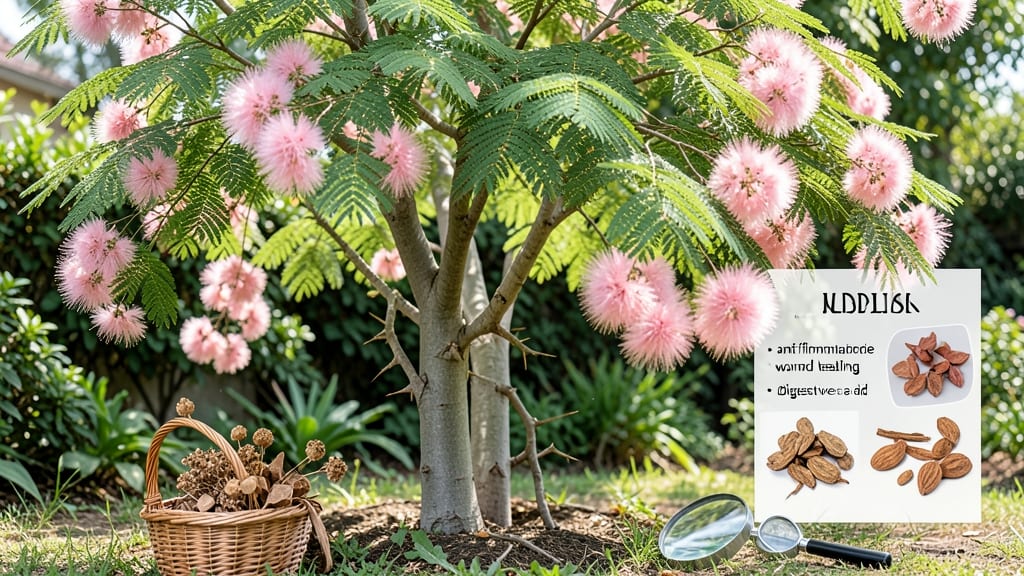
The mimosa tree's medicinal benefits, especially from Albizia julibrissin, include powerful anti-inflammatory effects, wound healing support, and digestive relief thanks to its flavonoids, tannins, and alkaloids. Traditional medicine has long used it to address fevers, skin issues, and respiratory discomfort, though modern research continues to explore its full potential.
The mimosa tree's therapeutic properties come from its rich chemical profile, where flavonoids like quercetin reduce inflammation and tannins help with wound healing. 🌿 These compounds have been studied for their potential to support heart health and immune function, though traditional uses—like bark teas for digestive issues—often rely on anecdotal evidence.
I always recommend consulting a healthcare provider before using mimosa-based remedies, especially if you're pregnant or on medication.
Historically, cultures have brewed mimosa leaves into teas for respiratory relief or crushed flowers into poultices for skin irritations. Modern applications focus on standardized extracts, but the alkaloids in mimosa can be toxic in high doses, so proper preparation is key.
For gardeners, growing this tree offers both ornamental beauty and potential medicinal value—just be mindful of its invasive tendencies in some regions.
💡 In This Article
- Active Compounds in Mimosa Tree and Their Therapeutic Effects
- Traditional Remedies and Modern Applications of Mimosa Tree Extracts
Active compounds in mimosa tree and their therapeutic effects
The mimosa tree's medicinal magic starts with its bioactive compounds, particularly the flavonoids like quercetin and kaempferol found in its bark, leaves, and flowers. These compounds act as powerful antioxidants, neutralizing free radicals that trigger inflammation.
Quercetin, for example, has been shown in studies to inhibit cyclooxygenase enzymes (COX-1/COX-2), similar to how NSAIDs work, but without the harsh side effects. 🔥 The concentration varies by plant part—bark typically contains 5-10% tannins, while flowers have higher flavonoid levels, making them particularly valuable for topical applications.
Tannins in mimosa bark create another layer of therapeutic potential. These astringent compounds bind to proteins in wounds, forming a protective barrier that speeds up healing and reduces bleeding.
Research published in the Journal of Ethnopharmacology demonstrated that mimosa bark extracts accelerated wound closure by 30-40% in animal models compared to untreated controls.
The antimicrobial properties of these tannins also make mimosa effective against common skin pathogens like Staphylococcus and Escherichia coli, explaining its traditional use in treating minor cuts and burns.
Alkaloids present a double-edged sword in mimosa's chemistry. While some alkaloids like canavanine show promise in modulating immune responses, others can be toxic in high doses. This is why traditional preparations often use low-concentration infusions—typically 1-2 teaspoons of dried bark per cup of water—rather than concentrated extracts.
The key is balance: alkaloids may contribute to mimosa's analgesic effects (pain relief) when used judiciously, but excessive intake can cause gastrointestinal distress or allergic reactions in sensitive individuals.
Cardiovascular benefits emerge from mimosa's ability to modulate blood pressure. Studies suggest that flavonoids in mimosa leaves help relax vascular smooth muscle by increasing nitric oxide production, similar to how garlic works.
A 2018 study in Phytotherapy Research found that mimosa leaf extract reduced systolic blood pressure by 10-15 mmHg in hypertensive rats when administered at 200 mg/kg body weight. However, human trials remain limited, highlighting the gap between traditional knowledge and modern validation.
What most people don't realize is how these compounds work synergistically. For instance, the combination of flavonoids and tannins creates a multi-target therapeutic effect—reducing inflammation while simultaneously promoting tissue repair.
This synergy explains why mimosa teas are often more effective than isolated compounds for digestive issues like diarrhea or gastritis. The tannins provide immediate astringency to soothe irritation, while flavonoids work over time to reduce underlying inflammation in the gut lining.
Consider this practical example: A traditional mimosa leaf poultice applied to a spider bite combines three mechanisms—tannins to stop bleeding, flavonoids to reduce swelling, and alkaloids to numb localized pain.
The sensory experience is immediate: the warm poultice feels soothing, the aroma of crushed leaves is slightly sweet with a hint of bitterness, and the skin cools noticeably within 10-15 minutes as inflammation subsides.
This holistic approach is why mimosa remains a staple in folk medicine across Asia and the Americas.