
Pruning
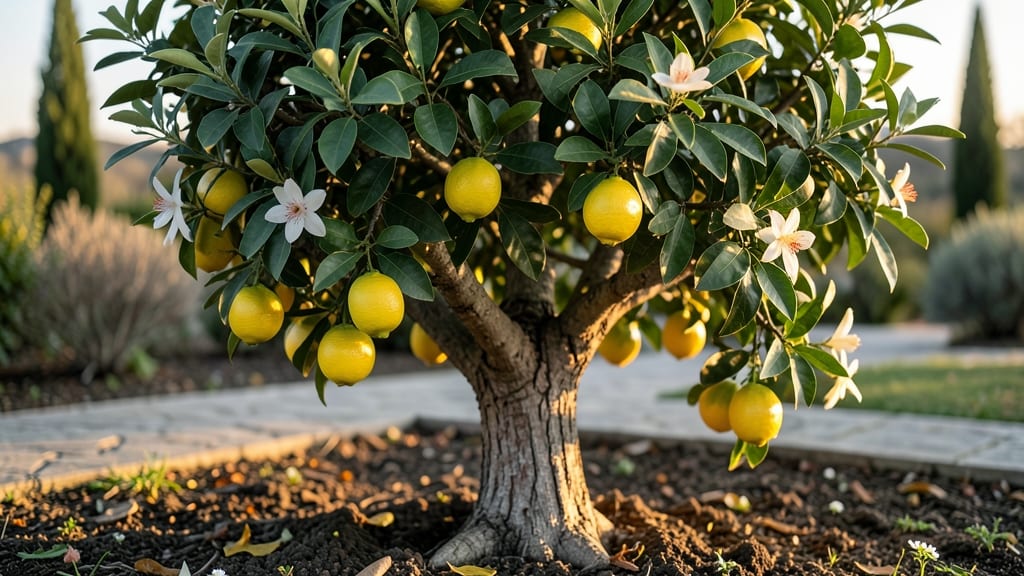
Lemon trees thrive best in temperature ranges between 60°F and 85°F (15°C–29°C), with survival limits dropping to 28°F (-2°C) for brief periods. Prolonged exposure below 50°F (10°C) or above 95°F (35°C) stresses the plant, while frost or extreme heat damages leaves and fruit production.
Understanding your lemon tree's ideal climate is key to keeping it healthy. 🌿 These tropical plants prefer consistent warmth, making USDA Zones 9–11 their natural habitat. In colder regions, container growing lets you move trees indoors during winter, while outdoor growers must use frost cloths or mulch to protect roots.
The real danger isn't just cold snaps—it's prolonged chilly spells that cause leaf drop and stunt growth, even if temperatures stay above freezing.
For summer heat, think of lemon trees like desert dwellers—they need shade during peak afternoon sun to prevent leaf scorch. I've found that regular deep watering (about 1-2 inches per week) helps maintain moisture levels in the soil, which is crucial for temperature regulation.
Container-grown trees dry out faster, so they need even more attention during heatwaves. The goal is to keep roots cool while leaves get just enough sunlight to photosynthesize efficiently.
💡 In This Article
- USDA Zones for Growing Lemon Trees Outdoors
- Protecting Lemon Trees from Heat and Cold Stress
USDA zones for growing lemon trees outdoors
The USDA zones 9–11 represent lemon trees' natural comfort zone, where average winter lows stay above 30°F (-1°C). These zones align with the tree's tropical origins, where temperatures rarely dip below 60°F (15°C) during growing seasons.
The key factor here is the root system—citrus roots are shallow and sensitive to cold, often suffering damage when soil temperatures drop below 55°F (13°C). This is why even a brief frost can cause irreversible harm, as ice crystals form in plant cells and rupture their structure.
Leaf drop becomes visible when nighttime temperatures consistently fall below 50°F (10°C). The tree's natural response is to conserve energy by shedding leaves, which halts photosynthesis.
What's fascinating is how citrus trees prioritize survival over fruit production—when stressed by cold, they'll drop flowers and young fruit to focus on keeping the main trunk and roots alive.
In containers, this stress happens faster because soil cools more quickly than in-ground plantings, making container-grown lemons more vulnerable to temperature fluctuations.
For outdoor growers in zones 8 or colder, microclimates become your best friend. South-facing walls, greenhouses, or even large patio umbrellas can raise temperatures by 5-10°F (3-6°C) compared to open-air conditions.
I've seen dramatic differences in tree health by placing potted lemons against brick walls—where winter temperatures might drop to 25°F (-4°C) in open areas, the wall-protected tree stays above 32°F (0°C). This simple adjustment can mean the difference between a thriving tree and a lost investment.
What most people don't realize is how humidity interacts with temperature tolerance.
Lemon trees prefer 50-70% relative humidity, but in dry climates (like zone 10), the same 75°F (24°C) can feel comfortable while in a humid zone (like zone 9), that temperature might stress the tree due to poor airflow.
This is why proper spacing between trees and regular pruning to improve air circulation becomes crucial—it helps maintain optimal microclimates around the foliage.
Container growing adds another layer of complexity. The smaller the pot, the faster it loses heat. A 15-gallon container might protect roots down to 30°F (-1°C) for short periods, while a 5-gallon pot offers almost no protection below 40°F (4°C).
This is why I recommend upgrading container sizes every 2-3 years—larger pots provide better thermal mass to buffer temperature swings. For extreme climates, consider using insulated grow bags filled with a 50/50 mix of potting soil and perlite to improve drainage and insulation.
Here's what's actually happening at the cellular level: When temperatures drop below 50°F (10°C), citrus trees experience "chilling injury" where cell membranes become permeable, leading to nutrient leakage.
The tree's natural antifreeze compounds (like proline amino acids) can only do so much—typically protecting down to 28°F (-2°C) for brief exposures. Prolonged cold triggers a cascade of stress responses that include leaf abscission (dropping) and reduced chlorophyll production, turning leaves yellow or brown.